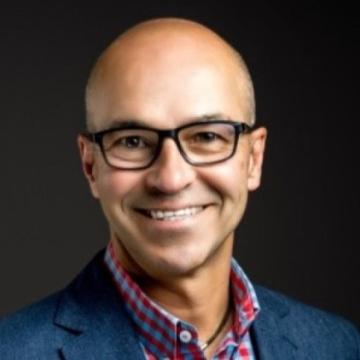
Sipho Khumalo, newly appointed Road Freight Association CEO, outlines his priorities and shares his perspectives with FTW’s Kevin Mayhew. FTW: Are the Road Freight Association and its activities familiar to you? SK: For the last three years I’ve been the key account manager responsible for road and rail regulation. This meant that I had to work very closely with the RFA on matters pertaining to safety and regulations of road freight transport. Apart from this close association, I’ve been working on road and rail transport issues for the last nine years. FTW: Immediate challenges, what are they? SK: Two main challenges must be dealt with immediately but can only be effective in the longer term. The issue of the image of the road freight industry as being cavalier and not caring comes to mind. I believe the new load accreditation system being proposed will begin this process. The second is the question of black economic empowerment. I believe success will lie in turning BEE into a challenge that the industry sees as good for business and not just an imposition. FTW: The road/rail switch and dominance of road, any changes? SK: Eighty percent of freight is moved by road. That is not going to change and I do not believe that regulations to favour rail transportation are in the interests of either the industry or the economy. Spoornet must begin to overcome its own inefficiencies to take its rightful place in the supply chain. FTW: Aids and road freight, where is it as a priority? SK: The industry did start a little late to tackle the issue with the conviction that we are now seeing, as reflected in the introduction of the HIV/AIDS strategy which imposes a levy on the key stakeholders to generate resources for tackling the HIV/AIDS scourge. As you know, this initiative builds on the existing initiatives such as Ôfocus on trucking’ and Ôtrucking against AIDS’. It must remain a priority within the mind of each and every person involved in road freight - if not, the industry and with it the economy will suffer irreparable damage. FTW: The entire supply chain network, its expansion and maintenance as well as reducing the cost of supply chains within the country, how can these be tackled? SK: A concerted effort that looks at the entire supply chain is critical if we are to reduce the costs of transportation and thus improve the competitiveness of the country. Both government and the industry must work very closely at identifying inhibiting factors, and then commit to finding workable solutions to issues that are causing delays and thus compromising the costs of transporting goods. There is no simple solution, but it must start with an intense will on both sides to not only acknowledge the problem but to tackle factors that result in delays in the movement of goods on the roads, at border posts and other ports of entry like the Durban harbour. It will be one of my main focuses and I will use my influence within the government and the industry to take this issue to the fore and drive hard for practical compromise and solutions on both sides.
RFA chief drives for practical compromise to reduce costs
Comments | 0
© Now Media. This content is protected by copyright and may not be adapted or republished. If you would like to discuss cooperation opportunities, please contact: editor@freightnews.co.za.