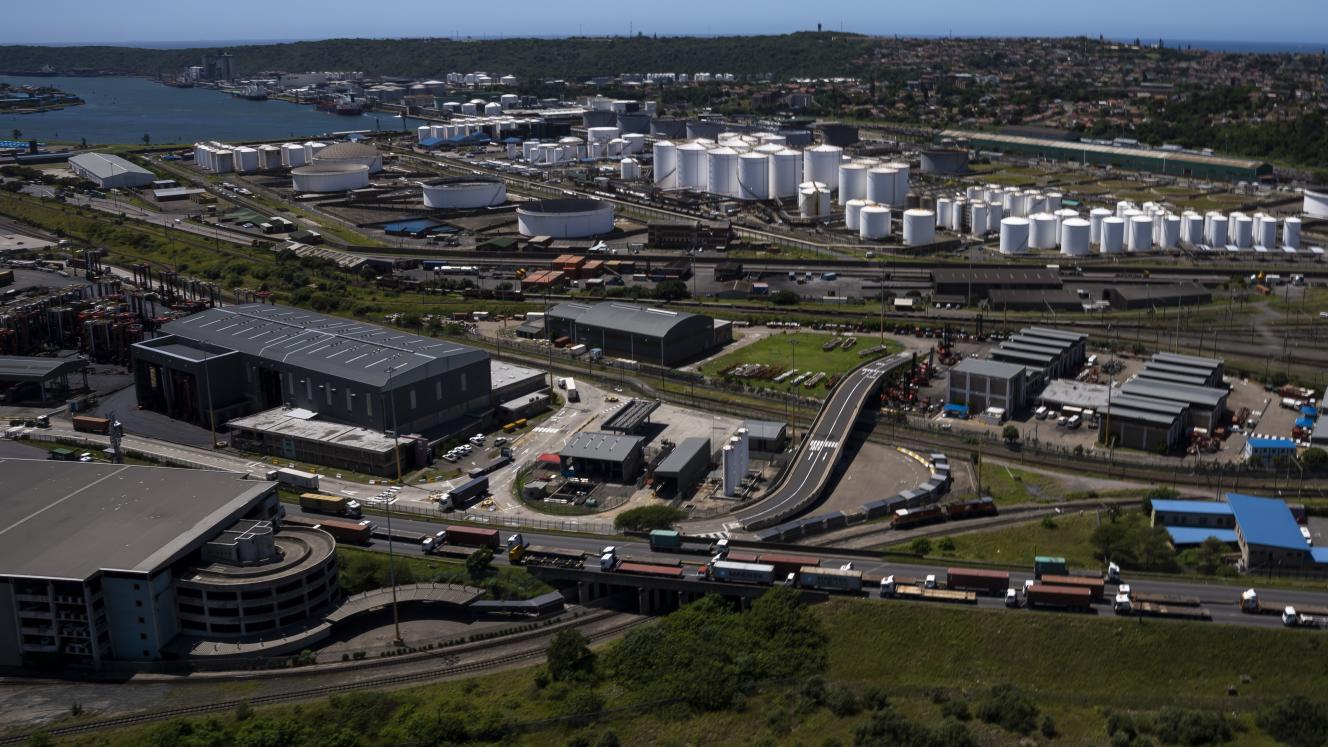
Successful logistics is all about reliability – on time, as promised, as quoted. But according to Maersk Line, the industry delivers only one out of two containers on time. “Name a supplier to your business that only delivers half the time, but is still able to count on your loyalty as a customer,” is the question asked by Maersk Line CEO Eivind Kolding in its ‘The New Normal’ manifesto that was recently released on www.changingthewaywethinkaboutshipping. com. According to studies carried out by the line, a significant number of customers claimed they would increase volumes with a carrier if its on-time delivery was significantly improved, and many of them said they would even pay a premium to get cargo delivered on time to their doorstep. On-time delivery is not a nice-to-have for them; it is a cold, hard business necessity. “Reliability is the new rate war,” says Kolding. Ironically the release of Maersk’s manifesto coincided with some of the worst congestion faced by the industry at the Port of Durban – much of it related to the implementation of the new Navis system. Punishing berthing delays at times forced lines to skip the port to avoid total schedule disintegration. And while these delays do irreparable damage to South Africa’s reputation as a reliable source – a cost to the shipper that is immeasurable – for carriers the figures are massiv. “When ships lie idle, it costs as much as US$50 000 a day in charter fees – and on top of that we have crew and fuel costs,” MSC’s head of operations in Africa, Captain Ian Rosario, told FTW’s Edwin Naidu recently. “When the vessel finally leaves the harbour we have no choice but to go full steam ahead, meaning the fuel consumption is almost double what it would have been if we had travelled at an economical speed.” Meeting customers’ reliability expectations is a crucial element for any line, says Kolding. “Customers can accept rate rises; what they cannot accept is a delivery promise that isn’t trustworthy. “For so long the key driver of industry discussions has been price levels. Customers of course care about cost, but what they really care about is the total cost and not the price on a single box. “Often they value their ability to trust delivery promises more than they need a rock-bottom price – because the cost implications of late deliveries are far greater. “If they cannot rely on a container being at destination on time, their whole business operations are compromised. Supply chains must be reworked, stores may not have products to sell to eager customers, and potentially one late cargo arrival may have implications not just for the customer’s own business, but those of a range of interconnected suppliers. “If cargo was delivered on time it would enable customers to rationalise their internal processes and optimise their supply chains and inventories – easily saving them hundreds of dollars per container.”
‘Reliability is the new rate war’
Comments | 0
© Now Media. This content is protected by copyright and may not be adapted or republished. If you would like to discuss cooperation opportunities, please contact: editor@freightnews.co.za.