Last month saw the lodging of a non-tariff barrier (NTB) complaint with the Trade Barriers organisation in SADC over South Africa’s high cube legislation that kicks in on January 1 next year.
The complaint also highlighted the variable country policies around the issue. A moratorium implemented by SA in 2011 currently gives blanket exemption to all ISO containers where the overall height exceeds 4.3m. In six months’ time the department of transport will enforce regulation 224 of the National Road Traffic Act and the moratorium will be lifted.
Various industry associations – including the Road Freight Association (RFA), the Harbour Carriers' Association (HCA) and the Federation of East and Southern African Road Transport Associations (Fesarta) – have told FTW they are prepared to fight this legislaion.
Meanwhile, according to the active NTB complaint, Botswana requires permits for each abnormal load which is a “red tape nightmare”. Other SADC countries, such as Zambia, Zimbabwe, Malawi and Tanzania, have extended the high cube container height requirement to at least 4.6 or even 4.8 metres.
The complaint notes that some SADC countries turn a blind eye to the “illegal” high cube height requirements in their country, highlighting however that should there be an insurance claim in the event of an accident, that claim would be rejected due to the “illegality”.
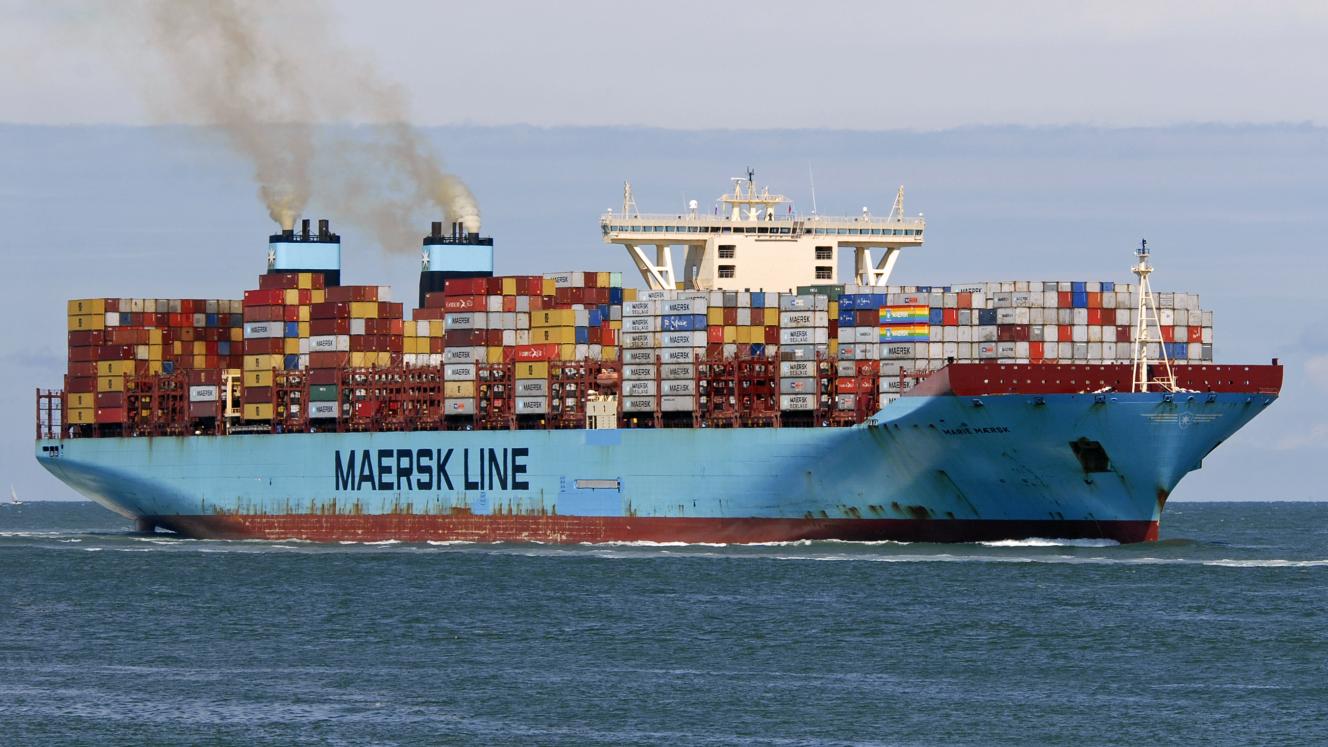
CEO of Fesarta, Mike Fitzmaurice, pointed out that barring vehicles from neighbouring states – due to high cube height restrictions that were not applicable in their countries – was a contravention of SADC Protocol on Transport. He said the advent of the high cube container was the “new global norm” in shipping and that there had been close to a million high cube containers on SA roads last year.
“This is expected to increase as international trade grows,” Fitzmaurice pointed out, adding that sectors such as the motor industry and fruit producers were especially vulnerable in South Africa, as were importers/exporters from neighbouring countries. He dismissed the idea that the regulations were for safety reasons.
“Neither the insurers, nor the shipping lines as owners of the containers, nor the road authorities have any records of damage caused by the dimensions of high cube containers,” said Fitzmaurice.
Maritime consultant for the South African Association of Freight Forwarders (Saaff), Dave Watts, recently told FTW that ISO containers had been moving in South Africa without any safety incidents for more than 20 years.
“There is no substance to claims that high cubes are unstable or unsafe.” Fitzmaurice said the “legislative archaism” of the regulations around high cube containers in South Africa would likely result in “total crisis” when the moratorium on prosecution was lifted.