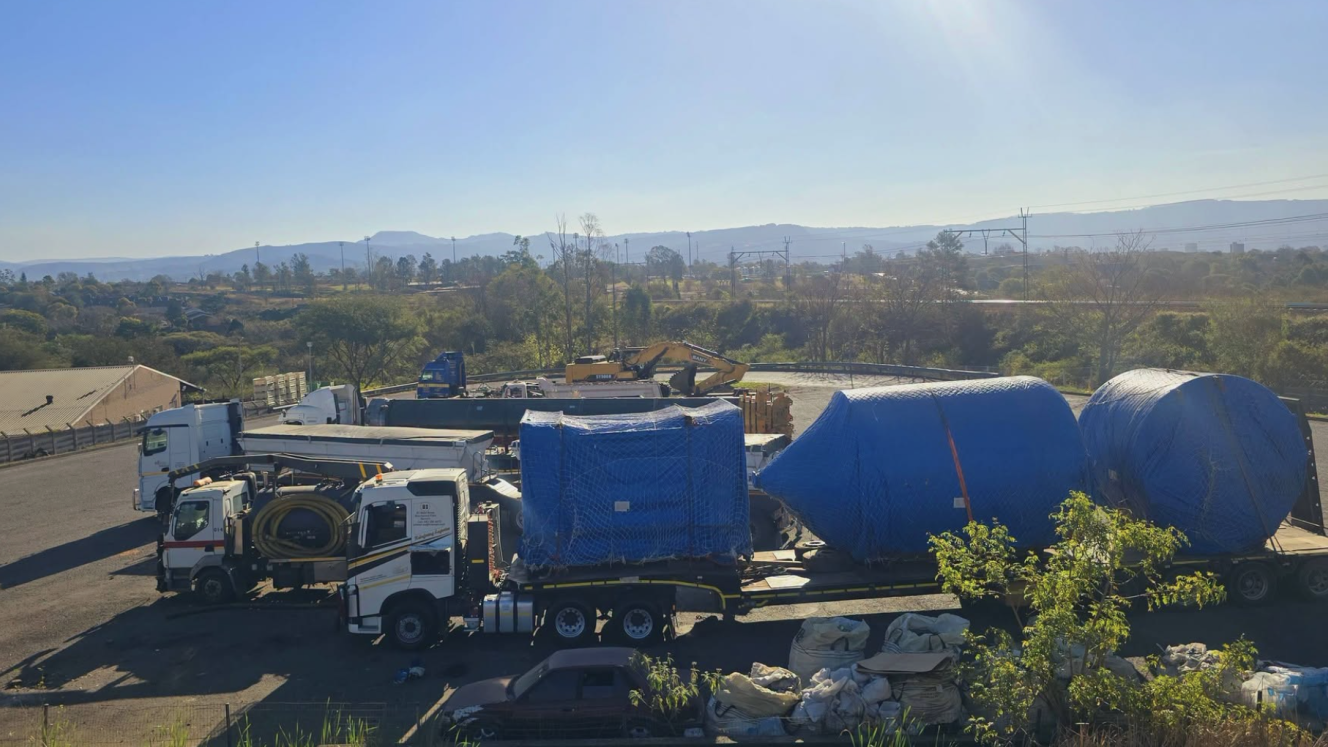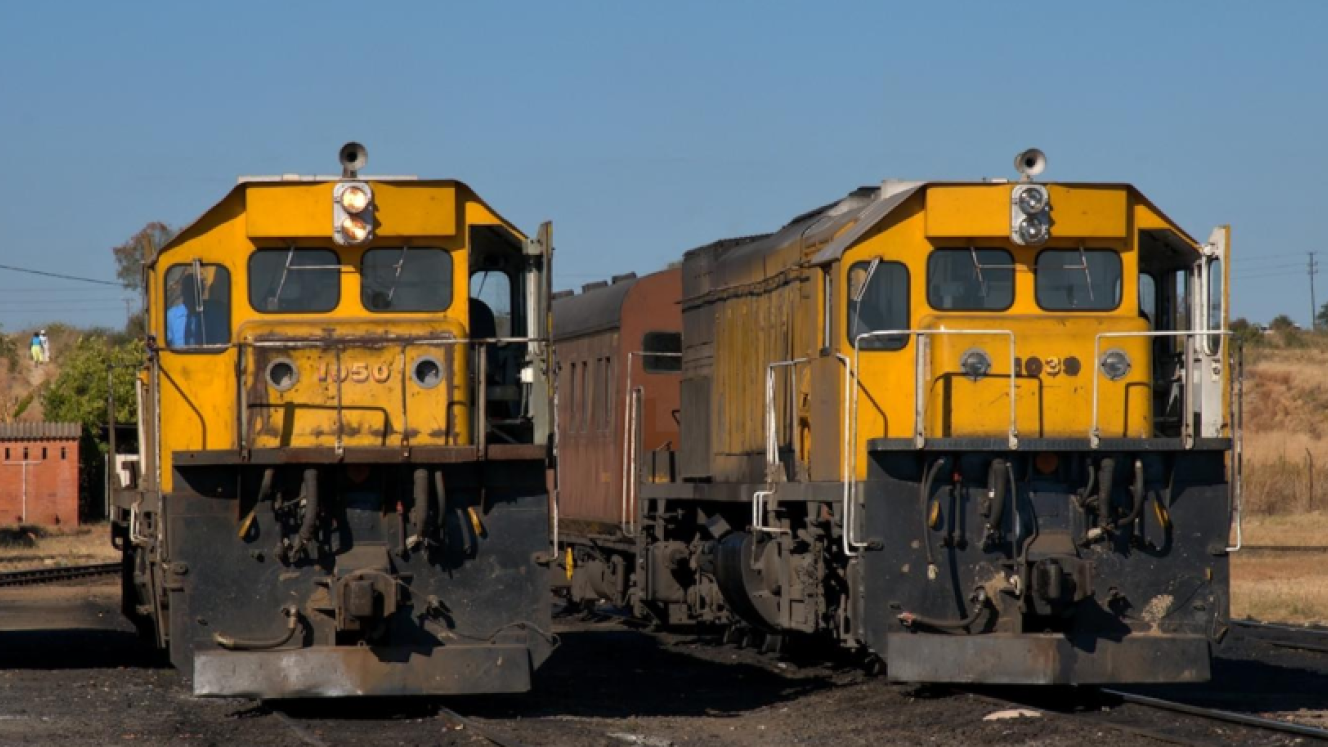
The National Railways of Zimbabwe (NRZ) has partnered with Beitbridge Bulawayo Railway (BBR) and logistics company Silvergill to launch a new rail service transporting lithium concentrate from the Gwanda Lithium Mine to the Port of Maputo, opening a new export corridor for one of the country's fastest-growing mineral commodities.
The inaugural train carried 1 000 tonnes of lithium concentrate from the newly commissioned BBR West Nicholson siding. Under the arrangement, BBR transports the cargo from Gwanda to Beitbridge, where NRZ takes over for the journey to Chicualacuala on the Mozambique border. The shipment then continues on Mozambique's Limpopo Railway to the Port of Maputo.
"The lithium industry is growing rapidly and rail has a critical role to play in ensuring exports reach international markets efficiently," NRZ said in a statement. "This partnership opens new opportunities for NRZ to increase freight volumes while supporting Zimbabwe's mining sector."
The service creates an approximately 1 000km rail route from mine to port and is expected to strengthen the Maputo Corridor by providing a dedicated rail option for lithium exports. Reuters reported that BBR is operated under concession by South African logistics group Grindrod.
The new route comes as Zimbabwe cements its position as Africa's largest lithium producer following about $2 billion in Chinese investment since 2021. According to Reuters, the country exported 1.13 million tonnes of spodumene concentrate to China in 2025, accounting for around 15% of China's lithium concentrate imports. The government is also encouraging greater local beneficiation, with producers forecasting lithium sulphate exports could reach 344 000 tonnes a year by 2030.
The agreement is expected to help NRZ rebuild freight volumes after decades of decline. According to Reuters, the railway's annual freight volumes have fallen from about 12 million tonnes in the 1990s to around two million tonnes in 2025, prompting the state-owned operator to pursue partnerships with private logistics companies to attract new cargo.