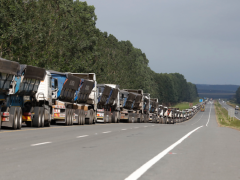
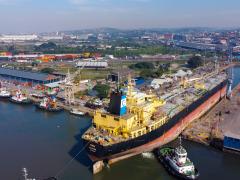
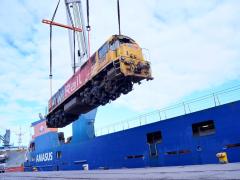
PETROLEUM PRODUCTS, cement, coal, timber products, paper pulp and grain imports to the landlocked country are the top customers for Swaziland’s 43 year-old rail line. Swaziland-made garments from the Asian-owned factories at Matsapha, site of the railway’s Inland Container Depot or so-called dry port, head east for a sea ride from Durban. Meanwhile paper pulp, timber and coal head the opposite direction to Gauteng via Komatipoort. This year’s rising fuel prices are taking their toll, but have also made the railway cheaper than road, according to CEO Gideon Mahlalela. Mahlalela worried the Swaziland business community when he considered resigning earlier this year after an operator error led to an accident that claimed two lives. He told FTW he was very disturbed by the fatal departure from the well-managed company’s usual safety record. But as the year progressed, and to the relief of many, the CEO remained at the helm to oversee such challenges as a shift from raw sugar exports, which last year constituted 20% of company profits, to more containerised traffic. Stephenson Ngubane, director of operations and marketing, told FTW: “The sugar companies are still big customers for us. But we are handling fewer raw sugar shipments, which go to the European Union and North American markets via Durban. The sugar companies are producing more refined sugar for sale locally, and our rail system was not designed for inland deliveries.” In fact, Swaziland Railway was built in 1964 to transport iron ore to the port of Maputo for a sea voyage to Japan. With Maputo harbour once again in play, and closer to most Swaziland shippers than Durban, the rail line is again looking in that direction to offer shippers in the landlocked country another option for exports.
Rail carries more boxes, less sugar
Comments | 0
© Now Media. This content is protected by copyright and may not be adapted or republished. If you would like to discuss cooperation opportunities, please contact: editor@freightnews.co.za.