South Africa’s first-quarter GDP growth was heavily supported by a turnaround in net exports, but economists warn the stronger-than-expected performance is unlikely to be sustained through the rest of the year.
According to official data released by Statistics South Africa on Tuesday, GDP expanded by 0,54% in the first quarter of 2026, marking the sixth consecutive quarter of economic expansion. Annual growth accelerated to 1,9% year-on-year, up from 0,8% in the final quarter of 2025.
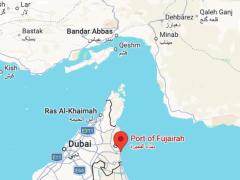
The improved growth was recorded largely in the period before the onset of the Iranian conflict, which has since brought an oil price surge, driving up domestic fuel price inflation and interest rates.
Net exports lift growth
On the demand side of the ledger, real net exports provided the largest single contribution to the quarter’s GDP growth, supporting it by 0,9 percentage points. This came as import volumes of goods and services contracted by 2,6%, while real goods and services export volumes turned positive, expanding by 0,5% quarter-on-quarter to rebound from a 0,6% decline in the previous quarter.
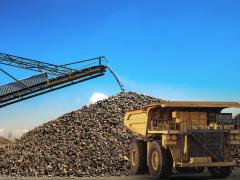
This performance was supported by increased exports of mineral products, vegetable products, as well as prepared foodstuffs, beverages and tobacco, said FNB & WesBank Senior Economist, Thanda Sithole.
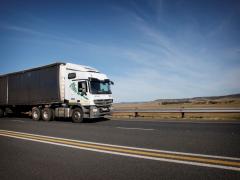
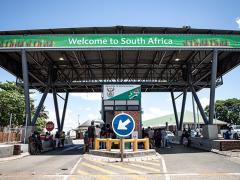
The uptick in outbound shipments, narrowing the net export deficit to R51,2 billion from R92,1 billion in the fourth quarter of 2025, provided temporary relief for freight operators. However, on a year-on-year basis, overall export volumes remain down by 3%, indicating long-term structural blockages in logistics corridors continue to take their toll.
Fixed investment remains weak
A major point of friction for the transport and industrial sectors remains the sharp drop in fixed capital expenditure. Real gross fixed capital formation fell by 1,1% quarter-on-quarter, driven down by a 4,9% quarterly decline in fixed investment by private business enterprises. However, this was partially offset by public investment increases of 9,3%.
This structural imbalance is highly problematic for long-term supply chain capacity, warned independent economist, John Loos.
“If South Africa is to make serious improvements to its long-term economic growth, this category of expenditure needs to be far stronger over a sustained long period.
“Therefore, fixed capital formation continues to battle to gain traction on a sustained basis, and with interest rates having begun to rise once more, it is likely that this expenditure category will remain under pressure in 2026, with especially the residential building component very sensitive to interest rates,” he said.
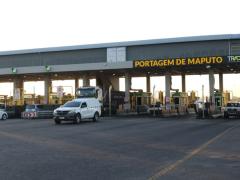
There have been encouraging signs of positive policy and implementation change that “ultimately may lead to noticeably higher economic growth in years to come”, he said. This includes efforts to revive the railways and ports through greater private sector involvement.
“However, much needs to be done in terms of infrastructure and services upgrades, and these GDP numbers continue to show very poor levels of fixed capital formation,” Loos said.
Momentum unlikely to hold
Both Loos and Sithole forecast that the positive first-quarter momentum is unlikely to continue for the rest of the year.
The initial months of 2026 were largely insulated from the subsequent oil price spike, which did not start severely driving up domestic fuel prices, shipping surcharges, and road freight operating inflation until April.
“The risk remains that the second quarter growth outcome may be materially weaker than today’s result, given the deterioration in operating conditions relative to quarter one of this year,” Sithole said.
The latest RMB-BER Business Confidence Index plummeted by eight points, dropping from 47 in the first quarter to 39 in the second quarter, Loos noted. “This decline in business confidence is a sign of likely slowdown in economic growth in the near term. I would not view the first-quarter GDP number as an indication of things to come,” he said.