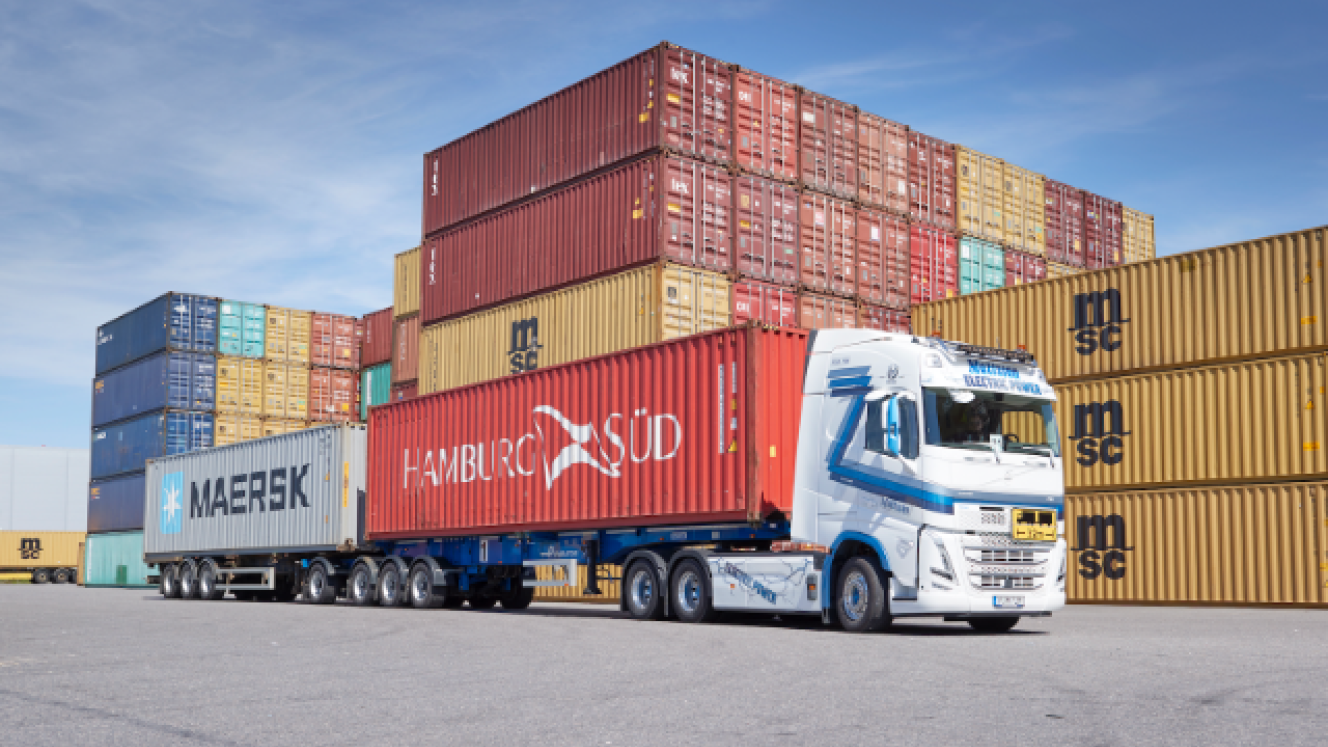
When purchasing consumer goods one will notice that many of these are sourced from overseas suppliers. It is often the case that the imported product is cheaper than the locally produced product. If the local manufacturers wish to remain or become competitive, they need to ensure that they make the most of the mechanisms put in place to protect them from being outpriced by imported goods. For example, where justified and on application, the International Trade Administration Commission (Itac) will impose antidumping or countervailing duties on certain imported goods. They may also increase the customs duties on the imported goods in question. A further mechanism is the South African Bureau of Standards which will prevent certain cheap, unsafe goods from entering the market. On the other hand, certain categories of goods may attract a high rate of duty, increasing the price paid for the goods by the often cash-strapped consumer. As a particular rate of duty may have been in place for a considerable period of time, the rate would be based on the circumstances at the time of imposition. These circumstances may have changed. For example, the local manufacturing industry may no longer be in a position to supply the local market with the volumes or quality required. In such an instance, it may be possible to apply to Itac to have the rate of duty decreased. Another example would be that the imported goods fall within a general tariff heading covering a broad category of goods. There may not be a specific tariff subheading in place catering for the goods in question. In this instance, Itac could be approached for the creation of an additional subheading which would not attract customs duty. A further option is to utilise an existing rebate item catered for in the Schedules to the Customs and Excise Act 91 of 1964. If the process in question is not covered by an existing rebate item, one could always apply to Itac for the creation of a new rebate item. Since the market environment is a dynamic one, all role-players must ensure that they remain competitive by fully utilising the tools at their disposal.
Protecting local goods from cheaper imports
Comments | 0
© Now Media. This content is protected by copyright and may not be adapted or republished. If you would like to discuss cooperation opportunities, please contact: editor@freightnews.co.za.