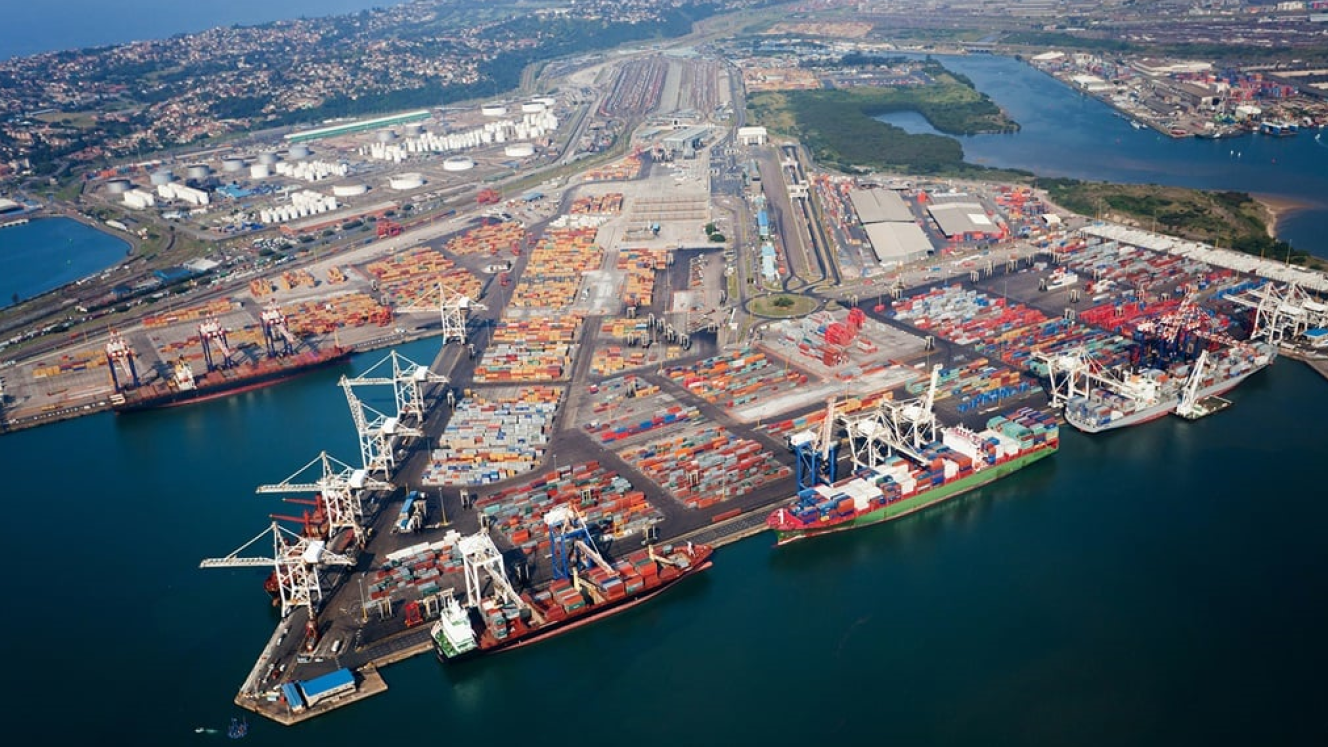
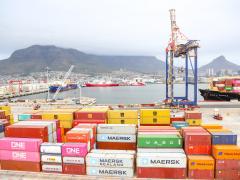
Plans by Transnet to invest in new equipment for the ageing and somewhat dilapidated Pier 2 – the Durban container terminal (DCT) – have met with criticism from a senior executive in the freight industry. He believes the money is coming from the wrong source. Much of Transnet’s investment funding has come from the cargo dues which are paid to Transnet National Ports Authority (TNPA). But this money, he added, is supposed to be for port development – which means dredging out harbour channels and building quays at harbour side, not buying equipment for present terminal handling functions. Our source also felt that the upgrading of the terminal should not be undertaken by Transnet, “but given to the private sector to change and develop”. This follows a recent presentation by new Transnet CEO Brian Molefe on the parastatal’s investment plan for the next five years – spending R110.5 billion to improve the performance of SA’s logistical system, which is currently constraining export-led growth. He said in his summary that particular attention would be given to boosting the operational performance of Pier 2, which was currently under-performing, despite being SA’s largest terminal – something that would be addressed through investment in state-of-theart equipment and in further training. Molefe also said that Transnet was already open to private sector participation, from increasing its wagon fleet to the private operation of port terminals in Durban. But he also warned that the inclusion of the private sector should not be driven ideologically. The private sector was not a “panacea” for all the problems with the state owned enterprises (SoEs). In fact, he said that it was possible for SoEs to operate efficiently, and also to deliver a societal benefit beyond the generation of profits, which was the primary focus of a private investor. But the FTW executive source stood by his objection to the Molefe plans, and said that Transnet should rather be investing its time and money in developing new or different terminal facilities than a major re-equipping of Pier 2. He believes the best option, and the one that seems to meet with the most private sector support at present, is the planned dig-out of the old Durban International Airport (DIA) site. It’s already a developed site, FTW was told, and there are no real environmental objections to the area being dug out to form a completely new and separate port, with an entrance channel being dug on the eastern end of the Bluff. The private sector also feels that it would be a good alternative, because – unlike digging out the southern end of the present harbour – it would not see the already heavily congested South Coast Road access even further jammed up. Molefe estimated that it could cost R20bn-plus to buy, dig out and equip a new harbour at the old airport site – but calculations showed that the overall project would probably cost close to R100bn and would require private sector capital and expertise to build and possibly even to operate. However, he stressed that it was likely that the property would remain within the “SoE family”. But it’s no short-term solution, and it would be years yet before actual development could take place, according to Molefe. He also felt that, only once the existing facilities had been debottlenecked, would the DIA site be added to give yet more capacity and to take advantage of an expected expansion of SA’s commodity and manufactured production and exports.
Private sector angles for a slice of Durban port action
Comments | 0
© Now Media. This content is protected by copyright and may not be adapted or republished. If you would like to discuss cooperation opportunities, please contact: editor@freightnews.co.za.