'Customs has acknowledged that choice of carrier is
out of their jurisdiction'
IN A rather mysterious way, the previous customs ban on private carriers hauling bonded boxes around the port of Durban seems to have disappeared.
This inter-terminal transport is still officially (or Durban customs is keeping mum about the issue) the preserve of Portnet Cartage.
This last vestige of the previous transport monopoly is the result of a customs-released recommendation (effectively a law within the confines of the harbour) that uncleared boxes would only travel Portnet Cartage. This, in turn, is the result of a justified fear at customs that these uncleared boxes were high risk items.
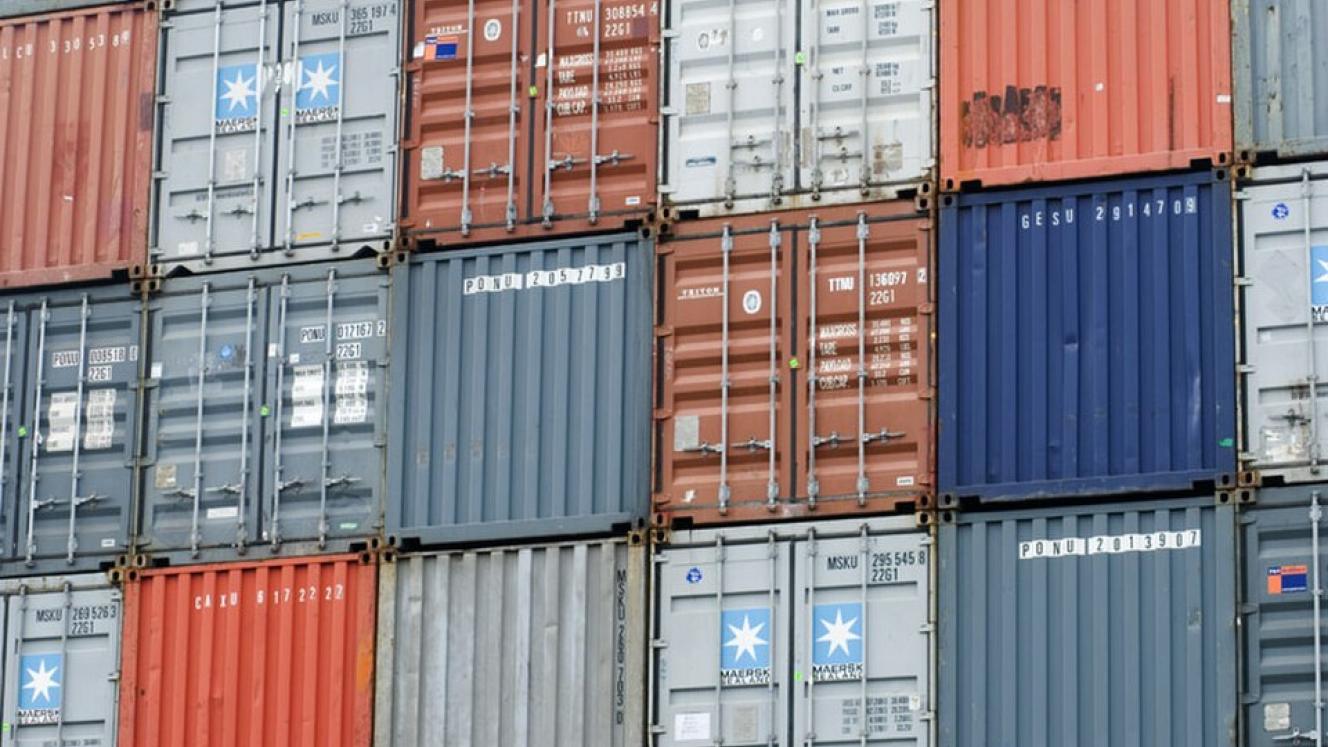
But the private sector carriers argued against this point. Paul Rayner, m.d. of DTB Cartage and chairman of the Durban harbour carriers' section of SAAFF (SA Association of Freight Forwarders), told FTW: These containers are under the control, and the responsibility, of the shipping lines so they should have the choice of who carries them.
They mostly do use Portnet, mainly because the container volumes require a fairly large fleet of vehicle units to service their inter-terminal movements on a scheduled basis.
What we wanted to see was the lines being allowed the flexibility to go elsewhere if Portnet was not capable of fulfilling all their requirements.
This, he added, was already unofficially the case anyway. Private vehicle units were occasionally being asked by Portnet to move boxes that they couldn't handle.
It was a principle that we put before customs, said Rayner. Where an open gates policy has been implemented it must apply to all sectors of the container terminals.
Last October, Durban customs told FTW that they had received two letters from SAAFF and sent the issue to the commissioner in Pretoria.
Since then, according to Rayner, silence. These letters have not been answered.
But, he added, since then, private carriers have not been prevented from taking part in this inter-terminal movement, although no official word has been received that the old recommendation was rescinded.
Hidden away in a directorate of customs policy document detailing their proposed interim procedure (leading to a new, standardised policy procedure) is a quiet paragraph bearing the heading: Movement of containers in the harbour area, or from the harbour area to container depots serving the port.
This reads: Private hauliers were recently afforded the right to transport containers within the harbour area, and to undertake the delivery thereof to the relevant container depots.
In it, they accepted that these containers remained the liability of the shipping lines and that they, or approved container operators could nominate their own choice of carrier to move them.
They would seem to have acknowledged that this matter (of choice of carrier) is out of their jurisdiction, said Rayner.
This quiet disappearance of the customs ban was accompanied by another similar move, he added.
The other thing that ties in with this is that containers stopped by customs - and needing to go through the X-ray scanner - were previously only allowed to be moved by Portnet, Rayner said.
But they soon realised the ridiculous nature of this decision, and quietly changed their minds.
But they protected their backs at the same time, Rayner added.
If one of these boxes disappears without going through the scanner, he said, the clearing agent is liable to a fine of R10 000. Something he would probably pass on to his appointed transporter.
Copyright Now Media (Pty) Ltd
No article may be reproduced without the written permission of the editor
To respond to this article send your email to joyo@nowmedia.co.za