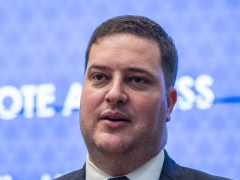
Public Private Partnerships (PPP) are crucial for the refurbishment of African railway networks but it means establishing legal norms and ensuring projects are viable in the long run. Jason Nagy, Africa business development manager with the US development agency USTDA, said one of the major drawbacks in Africa was the unwillingness of parastatals and project developers to make early investments in their planned projects. “We tend to see an allor- nothing approach in Africa where there are many opportunities. As an agency we see the potential of improving logistics, getting branch lines concessioned, developing inland ports and creating corridors to and from the big ports. There are definite economic cases for these projects, but it starts with the developer who has to do the legwork.” Along with that, if Africa wants to see support from the private sector coming in it must create a level of confidence for investors and that means ensuring there are legal norms in place. “Very often the economic analysis speaks for itself with a project, but often we run into problems in the carrying out of these projects when it comes to the legal aspect.” According to transport economist George Negota, it is often because governments and investors don’t have the same objectives in these projects. “They don’t share a common initiative as government wants to see services provided to its people while being in total control of the game, while the private sector wants to make money. Obviously you need to reconcile the two and PPPs are probably the best solution.” Jack van der Merwe, CEO of the Gautrain Management Agency, said having the finances for a project was extremely important. “In 2006 I accompanied then Gauteng premier Tokyo Sexwale to Germany where he told the Germans he wanted to buy a train. When they asked him where the money was and he said we were still looking for it, they lost interest.” Some 86% of Gautrain was funded by government contributions with the private sector only contributing about R3.2 billion in total. Van der Merwe said it was important to have a transparent process that ensured trust between all parties involved.
PPPs the way to go for rail infrastructure
Comments | 0
© Now Media. This content is protected by copyright and may not be adapted or republished. If you would like to discuss cooperation opportunities, please contact: editor@freightnews.co.za.