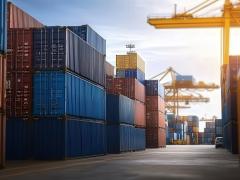
An upturn in business confidence has seen growing volumes of full truckloads moving into Africa – and growing volumes translate into increased border congestion. “Importers are moving away from smaller shipments,” says Kingfisher Freight MD Alwyn Nel. “During the recession the opposite was evident with a trend to smaller shipments on a just in time basis – and as a consequence we developed our roadfreight express service. “Now people are buying larger quantities to secure discounts and the result is more congestion and more queues at all the borders we use – Beitbridge/Musina, Komatipoort and Groblersbrug.” With Customs having gone EDI, presentation of entries is far slicker. “But you still have to take the documents with the passports and gate passes to Customs and stand in the queue. And you can’t move to the next border if there’s no space for those vehicles that are stuck in the queue,” says Nel. Frequent power cuts have also had a major impact. “When the systems come on line, goods are released out of sequence which creates further chaos. “Add to that the volume of passenger traffic crossing the border and you have a boiling pot of horrendous proportions.” And regardless of the interventions put in place to mitigate delays, there will always be circumstances beyond the control of the transport operator. “We ensure that all the paperwork is accurate, that trucks have permits and everything is loaded – but when it goes into the system it becomes part of the system, no matter how efficient you are.” Despite the border post problems, for the year ahead Nel is upbeat. “As business develops we will be increasing staff and strengthening relationships with our offices in neighbouring countries.”
Power cuts hamper efficiency
Comments | 0
© Now Media. This content is protected by copyright and may not be adapted or republished. If you would like to discuss cooperation opportunities, please contact: editor@freightnews.co.za.