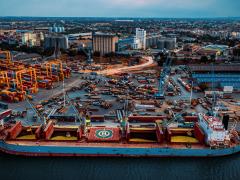
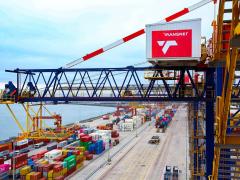
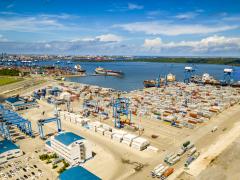
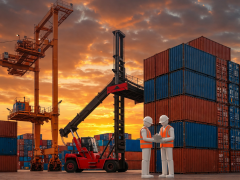
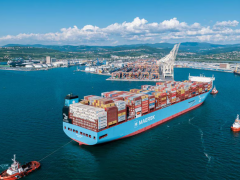
Durban is beginning to see tangible gains from ongoing port reforms, with the Durban Chamber of Commerce and Industry NPC saying operational efficiencies are already improving. This, thanks to infrastructure upgrades and the private sector takeover of Pier 2. While geopolitical tensions continue to place pressure on global trade and shipping, those at the Chamber believe that the reforms under way at the Port of Durban are positioning the city for stronger competitiveness and renewed investor confidence over the next 12 to 24 months. “The logistics and transport sector is a crucial pillar of Durban’s economy,” said Chamber CEO Palesa Phili. “The port is currently in recovery mode, from management changes and upgrades in port equipment to the new operator at Pier 2. The Chamber views these reforms as structural game changers, opening new opportunities for business. “Significant progress has already been achieved compared to previous years. Turnaround times are improving, providing clear evidence of rising efficiency. The positive impact is being felt across the entire supply chain, strengthening Durban’s position as a competitive logistics hub.” Ongoing private sector participation is cited as another positive, with organised business working closely with Transnet and other port stakeholders through the Durban Port Working Group. “There is close collaboration to enhance efficiency, to identify challenges impacting the business sector and to develop solutions together,” said Phili. “As we move forward, we must apply lessons learned from past challenges to build a resilient logistics system capable of driving sustainable economic growth and stability.” The Chamber also believes that restoring rail freight capacity is a key requirement going forward. “Our roads were never designed to carry such heavy cargo volumes, which is why we continue to see potholes and extensive damage,” said Phili. In addition, stability in water supply, sanitation and electricity distribution is essential. “As organised business, we have witnessed our members incurring significant extra costs due to water shortages, often having to purchase water to sustain operations. We are confident that by stabilising these critical services and prioritising a shift to rail freight, Durban can attract greater investment and strengthen its competitiveness.” According to Phili, business in Durban is currently at a crossroads as it faces three major challenges: counterfeit goods impacting the manufacturing sector; illegal immigrants acting with impunity; and businesses being intimidated for hiring foreign nationals. “The impact of these actions is severe. Businesses are being forced to close down, affecting productivity and tax revenue. We are actively consulting with the relevant stakeholders to find a collaborative solution to address these challenges, particularly as they impact the logistics sector.” One major missed opportunity is the under-utilisation of the Dube TradePort Special Economic Zone. “Special Economic Zones (SEZs) do not only encourage businesses to invest in our city, but also drive economic growth, boost exports and promote local manufacturing and supply chains,” said Phili. “This focused, business- friendly environment promotes trade and we strongly encourage all stakeholders to explore the opportunities it presents.” LV
Port upgrades bode well for trade and investment
Comments | 0
© Now Media. This content is protected by copyright and may not be adapted or republished. If you would like to discuss cooperation opportunities, please contact: editor@freightnews.co.za.