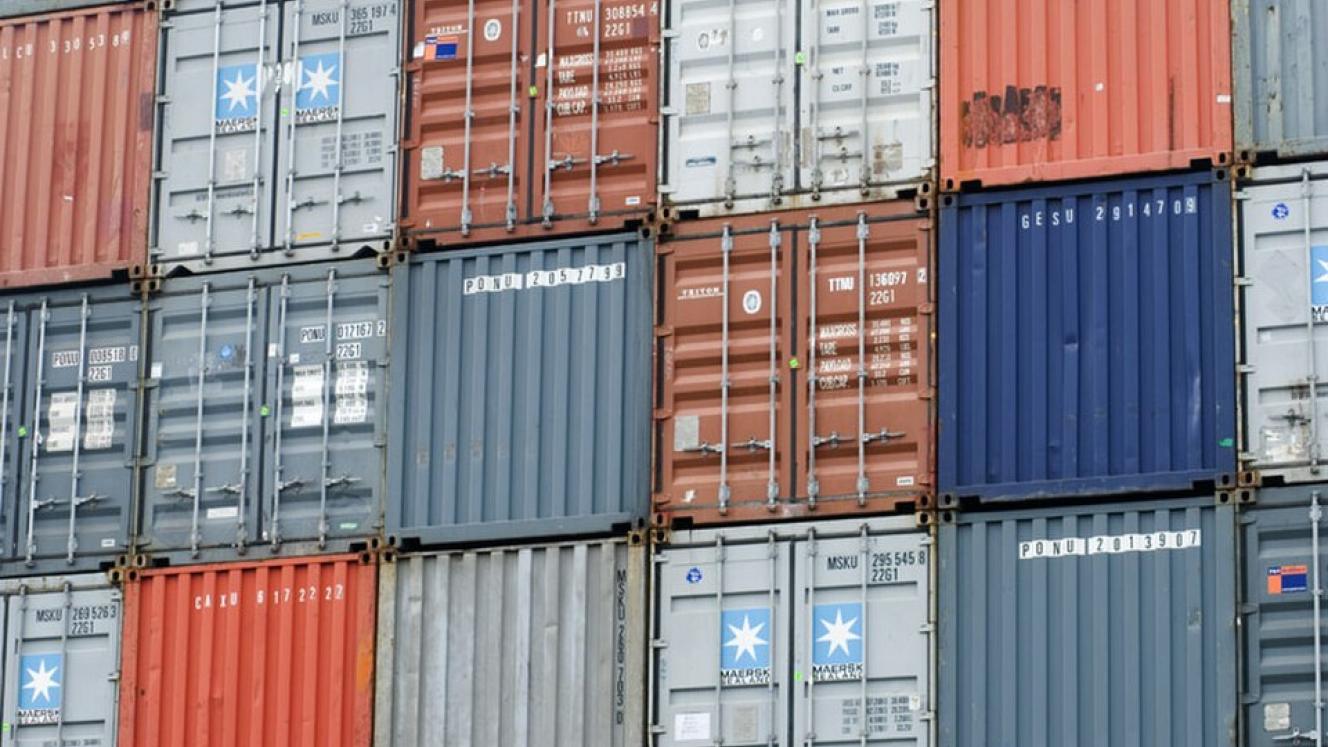
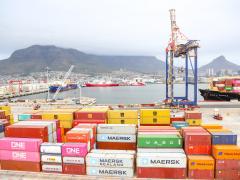
Stretching the rand further to ensure maximum spend is the rather unpleasant prospect for Transnet as it girds its loins for a tough year ahead. The Transnet board’s approved budget for the coming financial year (April 2009 to March 2010) was not available at the time of writing but NPA Mother City port manager, Sanjay Govan, is under no illusion it’s going to reflect extreme belttightening procedures. “Even though we do not have the final figures, Cape Town’s exports have been dropping week by week, to around 20% since November, in some instances either halting or continuing only by virtue of existing contracts. Our expectation is that port turnover will be down at least 10% in the coming year.” Govan reflects on Asia’s economic woes, which have had a knock-on effect on many other economies. Finance minister Trevor Manuel has even more grim news – China’s exports down 17% in January and imports declining a worrisome 43%, while Japan’s economy has shrunk 3.3% over the past three months as it turned in the worst export performance since 1974. The container terminal is in the midst of a R4.2 billion expansion programme to cater for bigger ships while container space will more than doubled to 1.4 million teus a year by 2012. This remains the port’s largest income contributor, along with bulk cargo, bunkers and ship repair, but Govan chooses not to dwell on the precise financial performance of each. “There is not much we can do about the crisis. We, as Transnet, are really gateways to the economy – and we need to ensure that we spend every single rand wisely.” Economic decline notwithstanding, he nevertheless remains reasonably sanguine about Cape Town, saying: “The beauty about the port is that infrastructural projects continue without interruption, even though delivery timelines may be slower.” As to his assessment of the port in terms of condition and operations, he says: “We have good plans in place. Our security system is nearing completion and the port’s entire sewerage system has been upgraded, so we are in pretty good shape.” The NPA’s marine services division tends to come in for a drubbing from the shipping sector from time to time, a recent case in point the decision by the harbour master, Captain Ravi Naicker, not to berth the giant containership MSC Lisbon after nightfall. It would seem, as Naicker observes, it is well nigh impossible to be all things to all men. A compliment one day might turn into the opposite the next. Vessel calls (all types) for the port of Cape Town remain at 250-260 a month and Naicker doesn’t anticipate major spend on equipment, The port’s four tugs – Ntseleni and Palmiet (both ex-Durban), Merlot and Pinotage – are good for another 20-odd years but the pair of pilot boats will have to be replaced at a cost of some R20m over the next two years. The port’s two work boats and two launches are in good condition. The talk turns to one of Cape Town’s major drawbacks, those dreaded winds which so easily cause mayhem to vessel schedule integrity. Govan and Naicker concur that wind is “a way of life” in the Mother City – take it or leave it.
Port of Cape Town will need to tighten its belt
Comments | 0
© Now Media. This content is protected by copyright and may not be adapted or republished. If you would like to discuss cooperation opportunities, please contact: editor@freightnews.co.za.