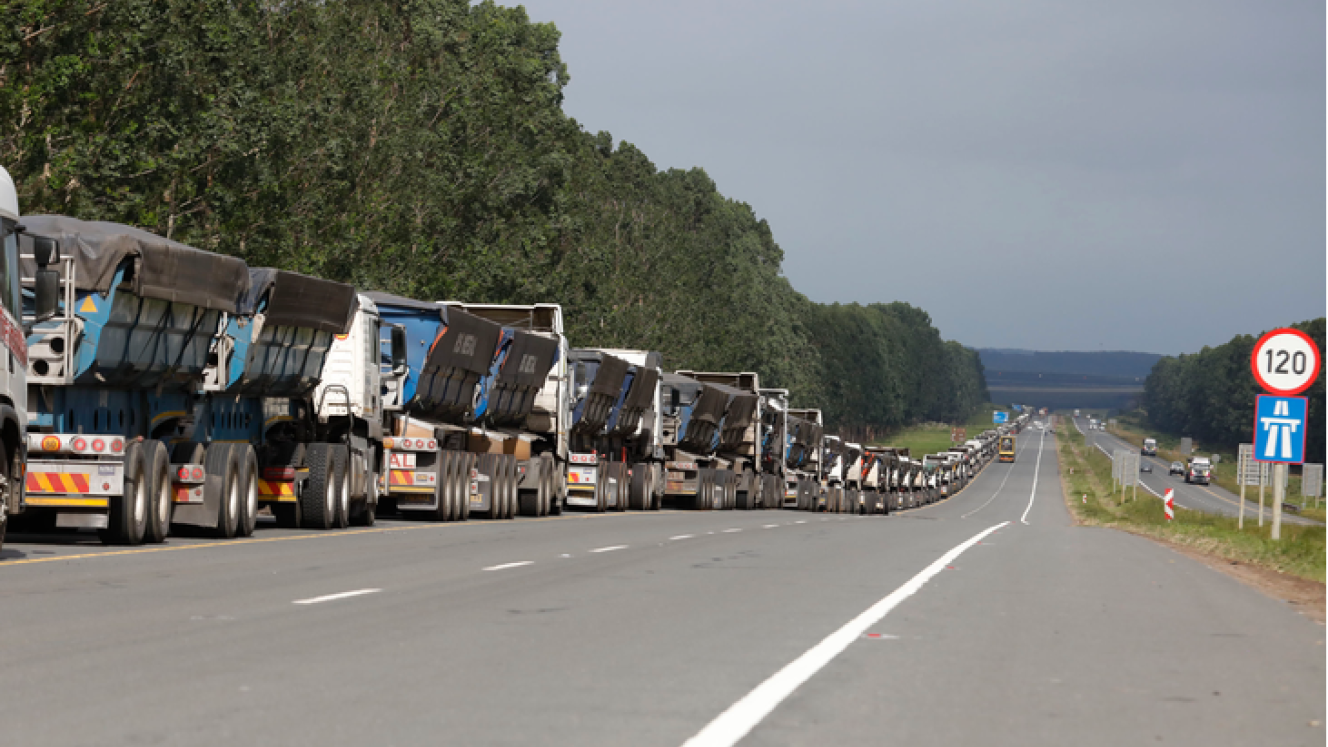
Against the background of the protracted platinum mining strike, there is growing concern that South Africa does not have enough reserves to meet international demand and may lose out on exports to competing countries such as Russia. The latest figures on the Platinum Wage Negotiations website – representing South Africa’s platinum producers, including Anglo American Platinum, Impala Platinum and Lonmin – show that at the time of going to press, companies had lost R15.9 billion in revenue and the strike had cost workers over R7 billion in earnings. The latest figures released by Statistics South Africa show that output of platinum group metals – including palladium, rhodium, iridium and ruthenium – decreased by 36% year-over-year in February 2014 and 38% month-over-month (m-o-m). The figures also showed that platinum products’ export revenue in the same month declined by 24% m-o-m. South Africa supplies more than 70% of global platinum output. Emma Townshend, analyst at HSBC Securities, noted in a Global Research report that strikes were largely anticipated by the platinum producers and they had built finished metal inventory that was likely to buffer exported revenues for the first quarter of 2014, but that stocks were likely to be depleted by the second quarter. “We therefore expect reported exports to decline further in Q2 2014. Johan Theron, group executive for corporate relations at Impala Platinum (Implats), told FTW last week that Anglo Platinum still had 60% of its mines in operation, Implats 40% while Lonmin had none of its platinum mines operating. He added: “Combined it is also only 60% of national supply and 40% of global supply that is impacted.” Theron however believes that for now, there is enough metal available in the market, which is clearly evident from the metal prices that have not reacted to the strike so there is no need for the world to look elsewhere.” He conceded however that this might change in future as available metal reduces and demand grows. CAPTION 70 000 workers downed tools to participate in the strike action, which started on January 23 this year. Many have expressed their desire to return to work but fear intimidation
Platinum strike: counting the cost
Comments | 0
© Now Media. This content is protected by copyright and may not be adapted or republished. If you would like to discuss cooperation opportunities, please contact: editor@freightnews.co.za.