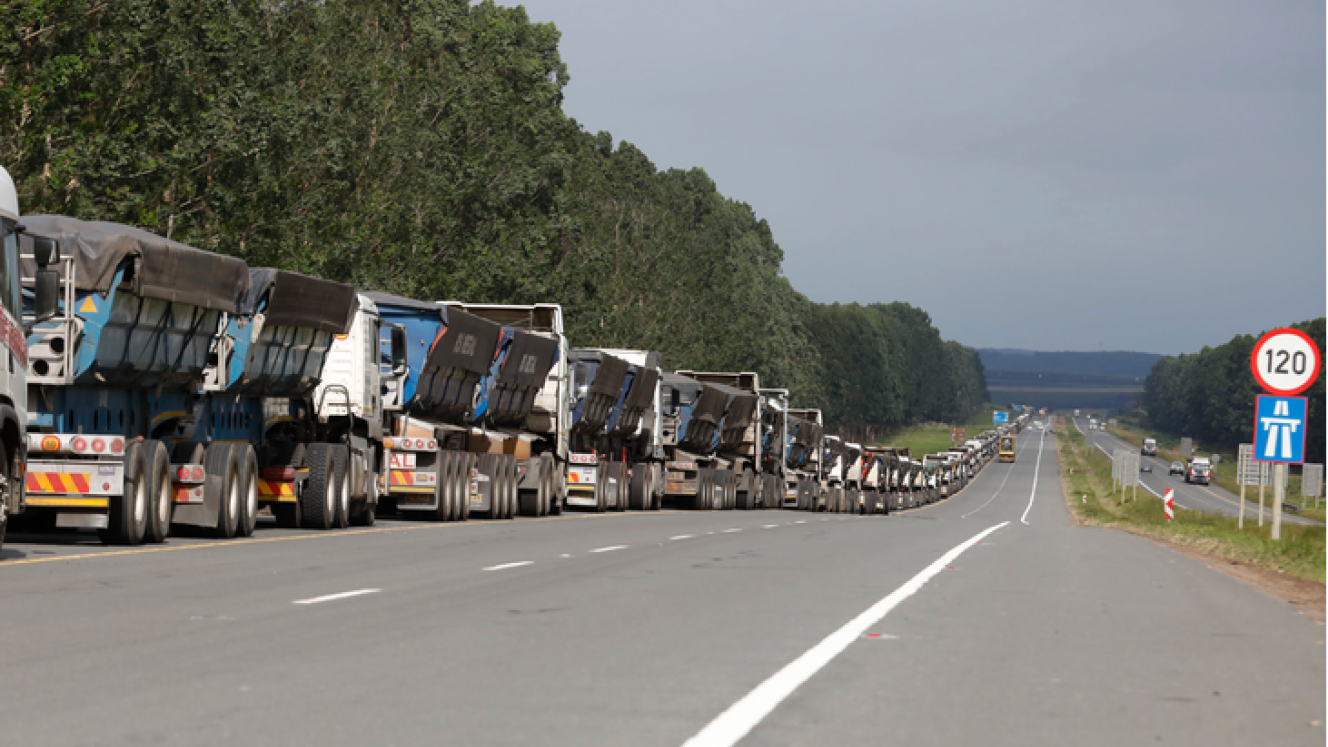
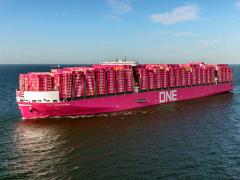
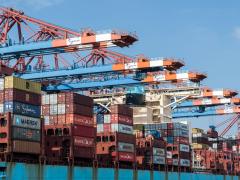
Although the Eastern Cape has no mineral wealth, it is home to 12.3% of the country’s arable land, or a total of 300 000 hectares. It accounts for 30% of South Africa’s milk production; 36% wool (15+ million kg/year); 75% mohair (54% global supply, 70% to Italy/China); 38% of SA’s goat herd; 30% of the country’s sheep; and 25% of its cattle. Despite this, the sector is under-performing. Realising the underdeveloped potential of agriculture has become a priority for the provincial government. This, as the automotive sector comes under pressure from Chinese imports and the transition to electric vehicles in its main markets, combined with continued de-industrialisation. The Eastern Cape Socio- Economic Consultative Council (ECSECC) has identified high logistics costs as one of the factors leading to factory closures and a lack of investment. For the agricultural plans to succeed, the province’s ports will need to be upgraded to support imports and exports of agricultural commodities. The first priority for premier Oscar Mabuyane is to reduce the province’s reliance on imported food, which will have an impact on logistics chains. If successful, imports of fertilisers, seeds and equipment should increase, while food item imports should drop. Delivering his 2026 State of the Province address, Mabuyane said: “The Eastern Cape is South Africa’s second-largest province, with great agricultural potential, but we are the net importer of food.” To support local farmers, he added, the government has allocated R2.6 billion towards food procurement from provincial suppliers, which will “create more predictable demand for local producers and processors”. The Eastern Cape’s MEC for agriculture, Nonceba Kontsiwe, has announced plans to revive 10 000 hectares of land lying fallow due to inoperative irrigation schemes over the next five years. In parallel, the government is providing assistance for the commercialisation of 100 land restitution and Proactive Land Acquisition Strategy (PLAS) farms in the province. These farmers will be provided with infrastructure, equipment and access to markets, supported by R200 million worth of blended finance with the Land Bank, according to Kontsiwe. The objective is to grow the province’s agricultural exports, with the rest of the continent being a huge potential market. Africa’s food and agriculture market alone could be worth US$1 trillion by 2030, according to projections by the African Development Bank. International partnerships are being forged to promote exports. In August 2025, the Eastern Cape Development Corporation (ECDC), in partnership with the Swiss Import Promotion Programme (SIPPO), introduced the Eastern Cape Natural Ingredients Export Promotion Strategy. This initiative aims to increase the province’s natural ingredient exports by 25% over the next three years – from R4.2 million to R5.25 million – into “at least” five new international markets. Natural ingredients include aloe ferox, honeybush, rosemary, hemp, rose geranium, Artemisia afra, African sage, and honey, according to Linda Lubengu, ECDC trade promotion specialist. In April 2026, Kontsiwe signed a Memorandum of Understanding with the Ministry for Food, Agriculture and Consumer Protection of the State of Lower Saxony, Germany. Lower Saxony has previously hosted Eastern Cape farmers and officials. The government is building on the success of commercial farmers, with the citrus sector accounting for 28% of gross agricultural income, according to the provincial agriculture department. In its 2026/27 performance plan, department head Bonginkosi Dayimani says the focus is on increasing milk and vegetable production systems. ER
Plans afoot to maximise EC’s agri potential
Comments | 0
© Now Media. This content is protected by copyright and may not be adapted or republished. If you would like to discuss cooperation opportunities, please contact: editor@freightnews.co.za.