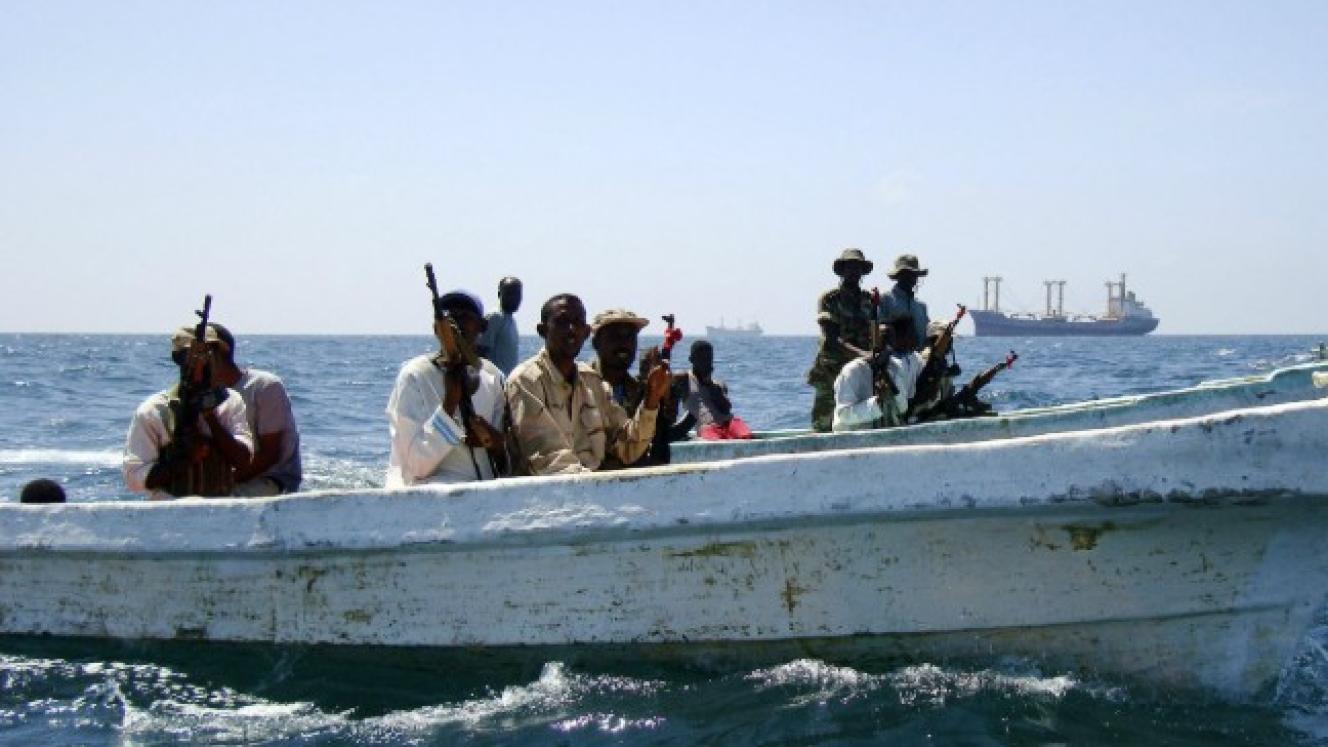
Over the past decade more than 6 000 seafarers have been held hostage by pirates, often enduring prolonged captivity and intense psychological pressure.
Mental Health Support Solutions (MHSS) reports that the mental and emotional impact of these experiences can last long after seafarers have been released, supporting the OneCare Group service provider’s concern that affected mariners face serious long-term mental health challenges.
MHSS clinical psychologist, Alexander Dimitrevich, who has extensive experience working with piracy survivors, has conducted more than 140 interviews and meetings with former hostages and their families.
Working through the Maritime Piracy Humanitarian Response Program, he says seafarers bear the brunt of piracy and maritime leaders must treat the security threat as a priority when considering crew safety.
“The maritime sector must finally accept that piracy is, at its core, a human problem. The people at risk are not abstractions. They are the very workforce that keep global trade functioning, and their psychological resilience is not a luxury or an optional extra,” said Dimitrevich.
“It must become standard practice for companies to provide serious pre-joining preparation, clear and honest communication about protocols, structured decompression time after release and long-term access to qualified mental health professionals. Anything less is a failure of duty and a failure of leadership.
“Some seafarers develop anxiety or hyper-vigilance when operating in high-risk areas, while others can initially refuse to acknowledge potential danger. Both responses can affect their ability to follow safety protocols and manage risk effectively.”
According MHSS many seafarers join vessels without adequate psychological preparation. Clear company protocols and guidance on emergency procedures are crucial for helping crews manage the stress and uncertainty of piracy situations.
“Seafarers need to understand not only the operational procedures but also how their company will support them and their families if an incident occurs,” said Dimitrevich.
He said piracy often involved the hijacking of entire vessels and sometimes included prolonged captivity, manipulation and harsh treatment of crews.