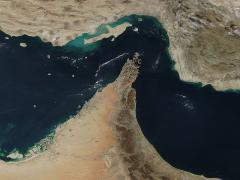
Piracy off the east coast of Africa is having wideranging repercussions and is threatening global seaborne trade, according to the 2009 Unctad Review of Maritime Transport. (RMT) released in December 2009. According to the review, over 80% of international seaborne trade that moves through the Gulf of Aden is with Europe. Piracy also “impacts on energy security and the environment. By hijacking large tankers, seizing their cargoes, and delaying or preventing their delivery, and by causing oil spills or other incidents causing environmental damage, piracy poses additional risks and costs to all,” says the report. Carriers can either avoid the piracy-ridden areas by rerouting their ships via the Cape of Good Hope, or accept additional risks and costs and continue to sail along the same lanes. While this is good news for South Africa, it is likely to affect the viability of the Suez Canal Authority, as well as various Mediterranean port authorities and terminals as they see their revenues literally going south. Based on 2007 data, the total annual round-trip costs of routing through the Suez Canal has been estimated at US$25.7-billion. The equivalent cost for routing round the Cape of Good Hope is US$32.2-billion, according to the report. “Taking into account all cost factors, it was estimated that re-routing 33% of cargo via the Cape would cost shipowners an additional US$7.5-billion per annum. “These costs will ultimately be passed on to shippers and consumers,” it says.
Piracy-driven rerouting costs shipowners billions of dollars
Comments | 0
© Now Media. This content is protected by copyright and may not be adapted or republished. If you would like to discuss cooperation opportunities, please contact: editor@freightnews.co.za.