If airfreight operators want
to regain market share of the
pharmaceuticals industry from
their seafreight counterparts, they
must adapt to the unique requirements
and standards for the transportation
and handling of these products,
according to industry sources.
Global pharma sales are estimated
to reach US$1.3 trillion by 2018
and, according to a recent report
by McKinsey & Company, the African
market will be worth an estimated
US$40-$60 billion by 2020. But
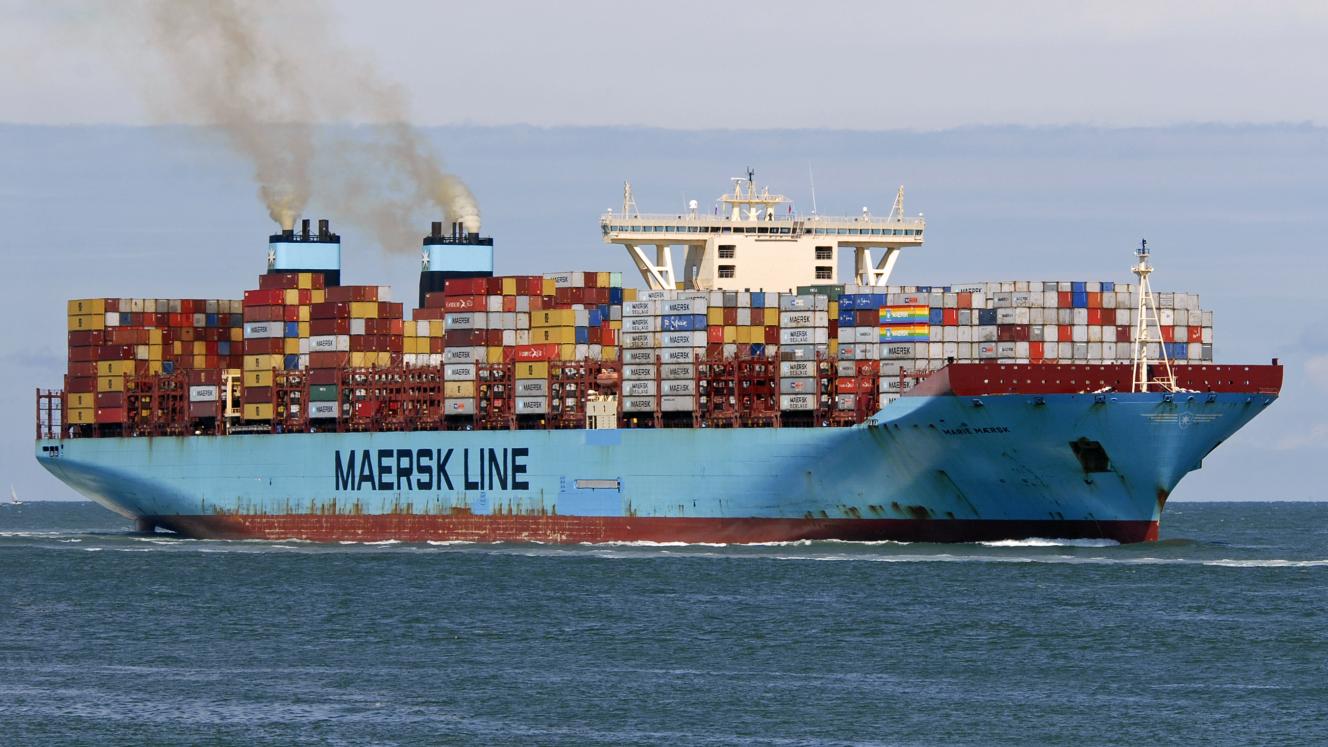
seafreight is increasingly upping its
share of this lucrative market.
Andrew Mitchell, president of
Europe, Middle East and Africa
(EMEA) Life Sciences and Healthcare
at DHL Customer Solutions and
Innovation, said that when it came
to transporting medicines, especially
across Africa, the many challenges
ranged from ensuring temperaturecontrolled
environments in accordance
with Good Distribution Practice
regulations, to cost efficiency and trade
compliance – all of which were key to
success.
However, because of
the increasing
demand for
pharmaceutical products on the
continent, and a lack of efficient road
infrastructure, air cargo operators could
still enjoy a large piece of the pharma
pie, in the view of PwC’s transport and
logistics leader for Africa, Andrew Shaw.
He added that pharmaceuticals were
one of the products driving the rise of
e-commerce on the continent and that
airfreight was the “natural choice” for
e-commerce due to the need for fast
delivery.
Meanwhile, panellists at the
Temperature Controlled Logistics event
in London last month said that they
believed pharma shippers were likely
to continue to try to move away from a
reliance on airfreight.
Pharmaceutical company Teva’s
senior director, logistics Europe, Val
Petursson, said that he viewed using
airfreight, rather than less expensive
seafreight, as a mistake in most cases.
According to him, airfreight was
usually used in pharmaceutical supply
chains because of internal issues such
as low demand forecasting accuracy,
problems with manufacturing or poor
contracts with manufacturers.
“We are paying millions and millions
just because we are too slow or lazy or
misaligned,” he said.
Pharma airfreight business under threat
Comments | 0
© Now Media. This content is protected by copyright and may not be adapted or republished. If you would like to discuss cooperation opportunities, please contact: editor@freightnews.co.za.