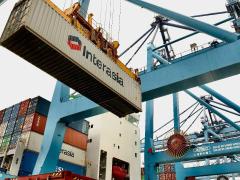
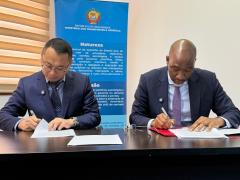
The Maputo corridor is an example of what the private sector can achieve in partnership with government when there is a joint vision and drive, says Mathews Phosa, chairman of the Maputo Corridor Logistics Initiative (MCLI). Speaking at the annual general meeting of the MCLI in Maputo in September, Phosa said “It was Ronald Reagan, the former American President, who said, ‘Government’s view of the economy could be summed up in a few short phrases: If it moves, tax it. If it keeps moving, regulate it. And if it stops moving, subsidise it.’ “He could well have been talking about the logistics supply chain! “However, what that famous father of Reaganomics failed to add was that if it keeps moving despite the taxes and the regulations, the private sector has seen the gap and taken charge of the economy.” This is largely the case with the Maputo Corridor where the private sector has taken the initiative and built the infrastructure, got hold of whatever moves and has pulled in those doing the taxing and those making the regulations, and has never looked back, he said. “On both sides of the border, MCLI has been given significant government support over the years,” added Antonio Matos, the Mozambican chairman of MCLI. “The departments of transport of both Mozambique and South Africa have been very much part of the active stakeholder participation over the years and we are gratified by the strong support given by these departments and particularly of the South African Department of Transport which has been a funding partner since 2006,” he said. “The significant investment of $225 million in Maputo Port infrastructure over recent years has brought a level of confidence to this logistics corridor, and has ensured consistent growth for the region,” said Phosa. “It has, however, also brought with it its own challenges in keeping service levels apace with demand. The benefits of the flexibility in negotiating service levels with this privately concessioned port have helped to mitigate these challenges to some extent, and MCLI continues to work with all our stakeholders to ensure that this port remains a competitive option for its users.” Challenges remain, however, particularly with delays at the border. MCLI, in close partnership with Alfandegas, (Mozambican customs) began a project, funded by the World Bank’s Sub Saharan Africa Transport Programme, focusing specifically on transit customs issues. “We will also examine existing transit customs legislation policy and procedures with a view to forming a departure point for providing input into the changes that need to be made to facilitate the necessary growth of this aspect of the corridor,” said Matos. “This work will include a manual that will smooth the way for users and provide the necessary foundation for transit volumes to grow. “Transit trade is the future of this corridor,” said Matos. “We are currently running at half our potential capacity and half our competitiveness both on road and on rail and this is a situation that could potentially marginalise this corridor.
Partnership drives trade on Maputo corridor
Comments | 0
© Now Media. This content is protected by copyright and may not be adapted or republished. If you would like to discuss cooperation opportunities, please contact: editor@freightnews.co.za.