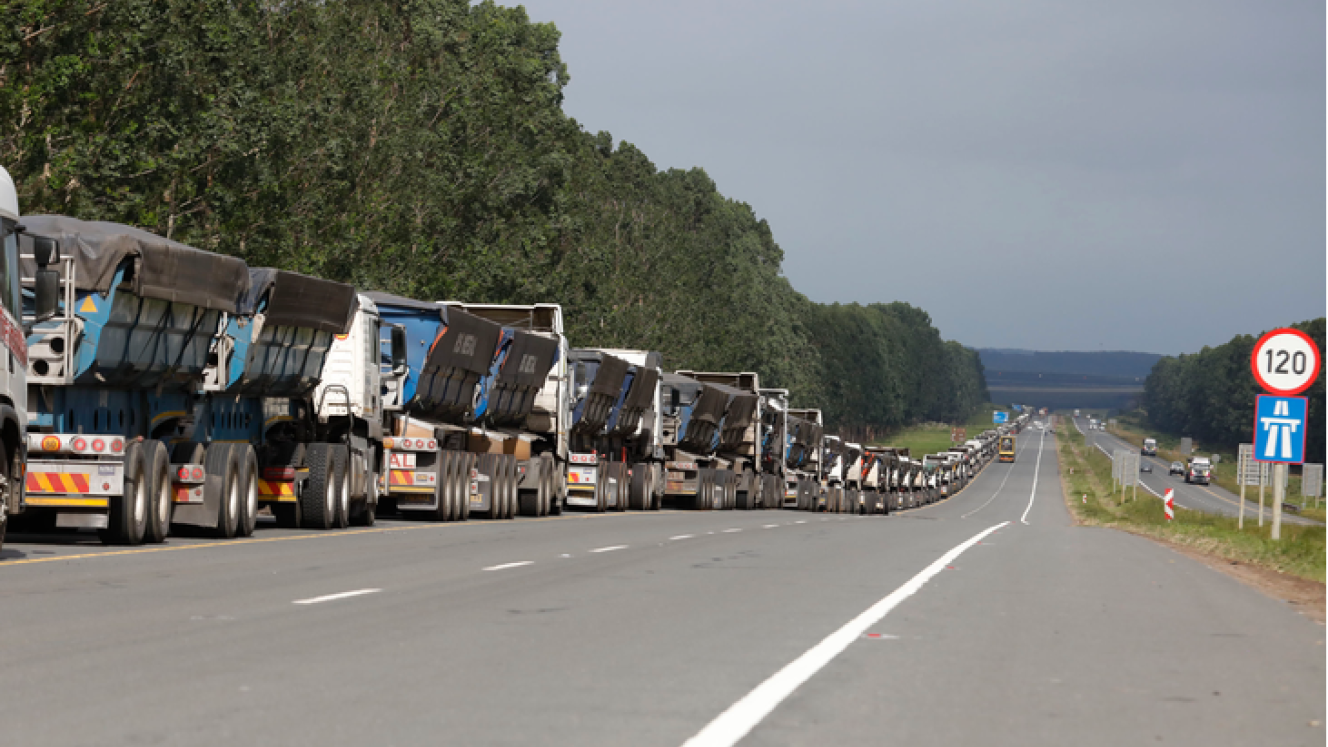
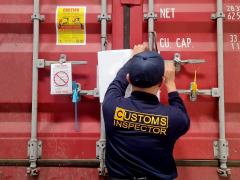
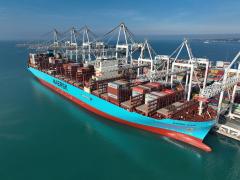
Speculation that overloaded containers contributed to the breaking in half of the MOL Comfort on June 17 off Mumbai has again put the spotlight on the effect of a lack of control of container weights on both sea and land. As far back as 1997 the CSIR published research which showed that legally loaded heavy vehicles cause a relatively small amount of damage to road pavement structures, as opposed to overloaded heavy vehicles which are responsible for approximately 60% of the damage to the road network. Once the containers are delivered to the port they put strain on the handling systems within the port, and also reduce potential revenue to both the port operators and shipping companies. Of particular concern in the Eastern Cape is the shipping of manganese from the Northern Cape in containers. Truck drivers are using back roads to avoid weighbridges, as some shippers pack in as much manganese as they can get away with. But overloaded containers have a real impact at sea as well. Questions are being asked about why the back of the post- Panamax MOL Comfort broke as the vessel was only five years old. Owners Mitsui OSK Lines (MOL) responded by withdrawing all its new ClassNK vessels for retrofitting to strengthen the hull. Answers to the question of what caused the failure may take some time. MOL has announced that it has appointed Londonbased Lloyd’s Register (LR) as a technical consultant to determine the cause. ClassNK said that its Casualty Investigation Team, led by EVP Toshitomo Matsui, continued to cooperate with MOL, shipbuilder Mitsubishi Heavy Industries (MHI), and government authorities to determine the cause of the casualty. In December 2010, the World Shipping Council (WSC) reported that it had jointly urged the establishment of an international regulation, requiring that all loaded containers be weighed at the marine port facility before stowage aboard a vessel. Due to objections by certain delegations, further discussions on this matter have been pushed to a correspondence group, with another report due in September 2013. In the meantime, industry specialists tell FTW, a relatively low-cost remedy would be to place weighbridges at all entrances to the ports. They will quickly pay for themselves directly through fines issued by the authorities and indirectly by reducing wear and tear on the roads and port infrastructure. CAPTION The ill fated MOL Comfort … lots of questions raised.
‘Overloaded’ question
Comments | 0
© Now Media. This content is protected by copyright and may not be adapted or republished. If you would like to discuss cooperation opportunities, please contact: editor@freightnews.co.za.