The Steel and Engineering Industries Federation of Southern Africa (Seifsa) is confident that it can avoid a strike by the National Union of Metalworkers of South Africa (Numsa), as negotiations continue.
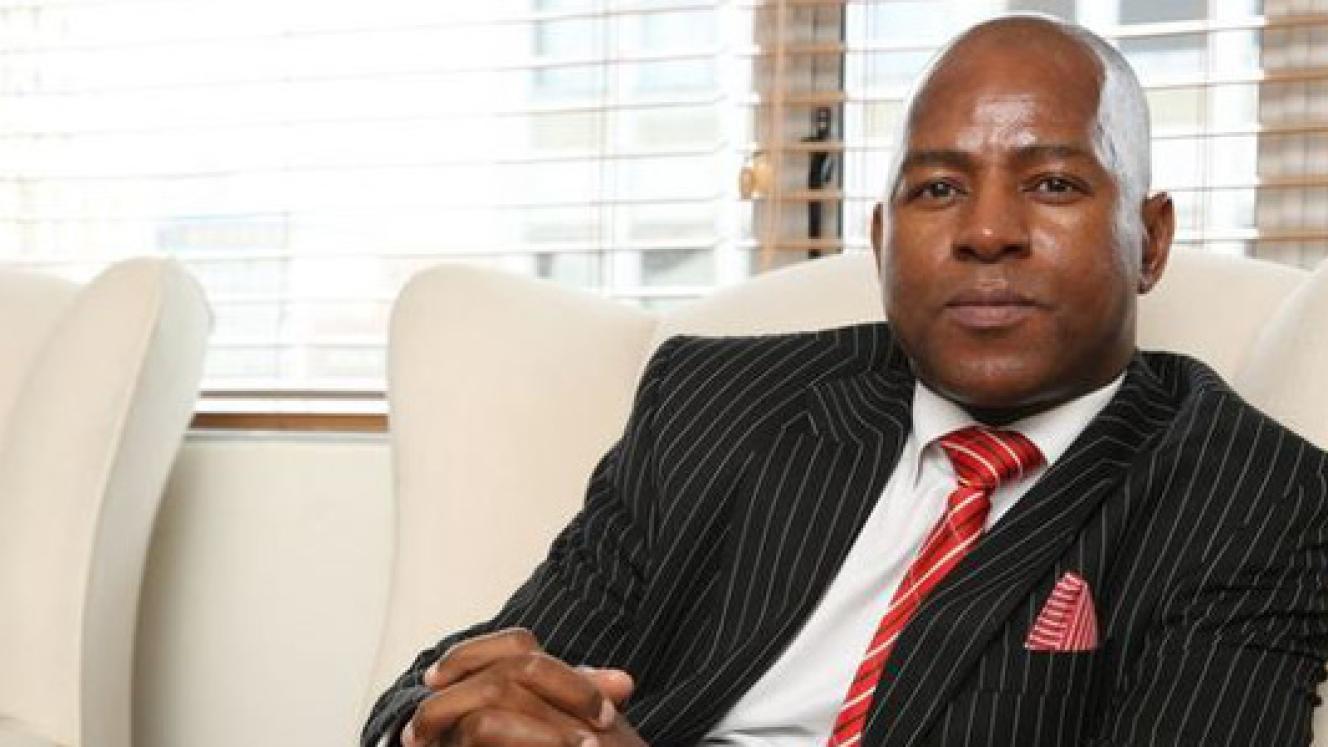
“To date no certificate or notice of strike action has been served and we remain confident that for as long as we are engaged in good-faith negotiations to deal with the few remaining issues on the table, we can avoid a strike and, more importantly, we can find a solution that is in the best interests of our constituency and the industry,” said Seifsa CEO, Kaizer Nyatsumba.
He added that bilateral engagements with all key role players were continuing “in earnest”, noting that the industry body anticipated another “anxious week’s wait” before it would be able to present something concrete to the Seifsa council for its consideration.
Nyatsumba said the next Seifsa council meeting would be held on 7 August. “We hope that by then a clearer picture of the situation will have emerged. In the interim, we expect the remainder of this week and next week to be normal, with little or no prospect of industrial action.”
Industry has been bracing itself for a threat by Numsa to “shut down the entire economy on a scale which this country has never seen before” should negotiations fail.
If the strike goes ahead, key sectors that will be heavily affected include foundries, electronics and telecommunications, plastic and fabrication industries, machinery and equipment, electrical engineering, basic metals, heavy and light engineering as well as construction engineering companies.
Companies that supply critical parts to the auto industry, including Auto Industrial, Bell Equipment, CBI, Union Carriage and Wagon, Dorbyl, Marley Pipe System and Dana Spicer Axle among others, could also be affected by the strike.
Furthermore, ongoing work at Eskom power stations Medupi, Kusile and Ingqurha may as a result incur further delays.
Numsa is demanding a 15% wage increase across the board based on the actual rate workers are earning, not on the new minimum rate. The increases must be backdated to 1 July.
But employers propose, among other things, a three-year agreement offering a 5.3% wage hike across the board for the first year of the agreement based on the minimum rate, and not the actual rate that workers are earning.
The metal and engineering sector wage agreement lapsed at the end of June.
Earlier this week the non-profit business rights watchdog, Afribusiness, said that if the strike by Numsa was green lighted, it would cause “irreparable damage” to the economy.
The watchdog’s labour law advice unit manager, Charles Castle, warned that should the strike go ahead, the metals and engineering sector should expect more retrenchments and job losses.
“Employers will be left with no other alternative but to commence with retrenchments as a result of affordability and profit margins,” he said.