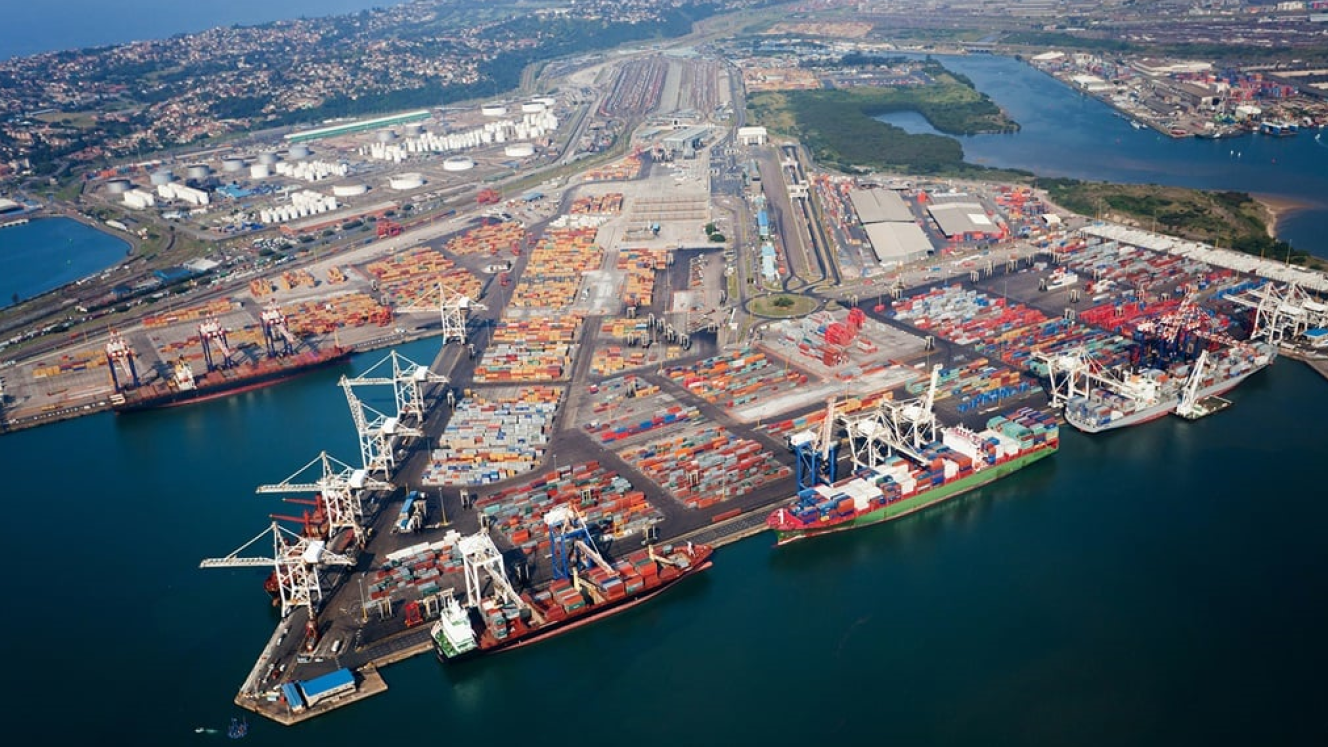
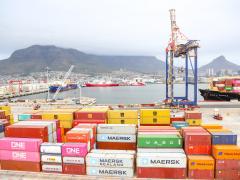
Ngqura is to be the sole hub port for South Africa – and that’s official, according to Solly Letsoalo, chief operating officer of Transnet Port Terminals (TPT). Speaking in Port Elizabeth at a Port Elizabeth Regional Chamber of Commerce and Industry (Percci) breakfast last week, Letsoalo said this decision had been taken by the Transnet board after international research undertaken by Flynn Consulting had identified both the need for a hub port and Ngqura as the most suitable location in South Africa for such a harbour. Ngqura is situated “smack in the middle of the biggest world markets, and also in the middle of the growing south-south trade,” he said. The port would not, however, only be a transit point and would serve other harbours in South, east and west Africa through feeder services. The hub status would also help make the neighbouring Coega Industrial Development Zone more competitive and attractive as an investment destination. Ngqura will grow to being the “biggest port in South Africa, and the most cost-efficient,” he said. It will also be the only hub – the research had shown that “two hubs in a country are a disaster,” he said. “Now we have the challenge of setting up a hub,” he said. The master plan for the port and associated rail infrastructure serving the hinterland catered for 10 million TEU a year, he said. In phase 1, the port will have six Mega Panamax cranes catering for “ships that are not even docking in South Africa” at present, 32 rubber tyred gantries, 840 reefer slots, empty container handlers, two dedicated rail cranes, with space for four rail trains at once in the container terminal, dedicated tugs, and two container berths with a total length of 630 metres. Another 630 metres of container terminal is currently under construction. The port will be operational from October, with shipping companies and clients being asked to understand that it will “not be the best from day one,” and moves of around 15 an hour should be expected. Advantages to the South African economy, according to the research, included increased national trade competitiveness, improved services levels from the port operator, and reduced logistics costs. Shipping lines would be able to “optimise” their services to South Africa, he said. The initial marketing of the port is focusing on transshipment, described by Letsoalo as the “low-hanging fruit” that the research had shown would be the first traffic to be attracted to Ngqura.
Ngqura named SA’s ‘official’ hub port
Comments | 0
© Now Media. This content is protected by copyright and may not be adapted or republished. If you would like to discuss cooperation opportunities, please contact: editor@freightnews.co.za.