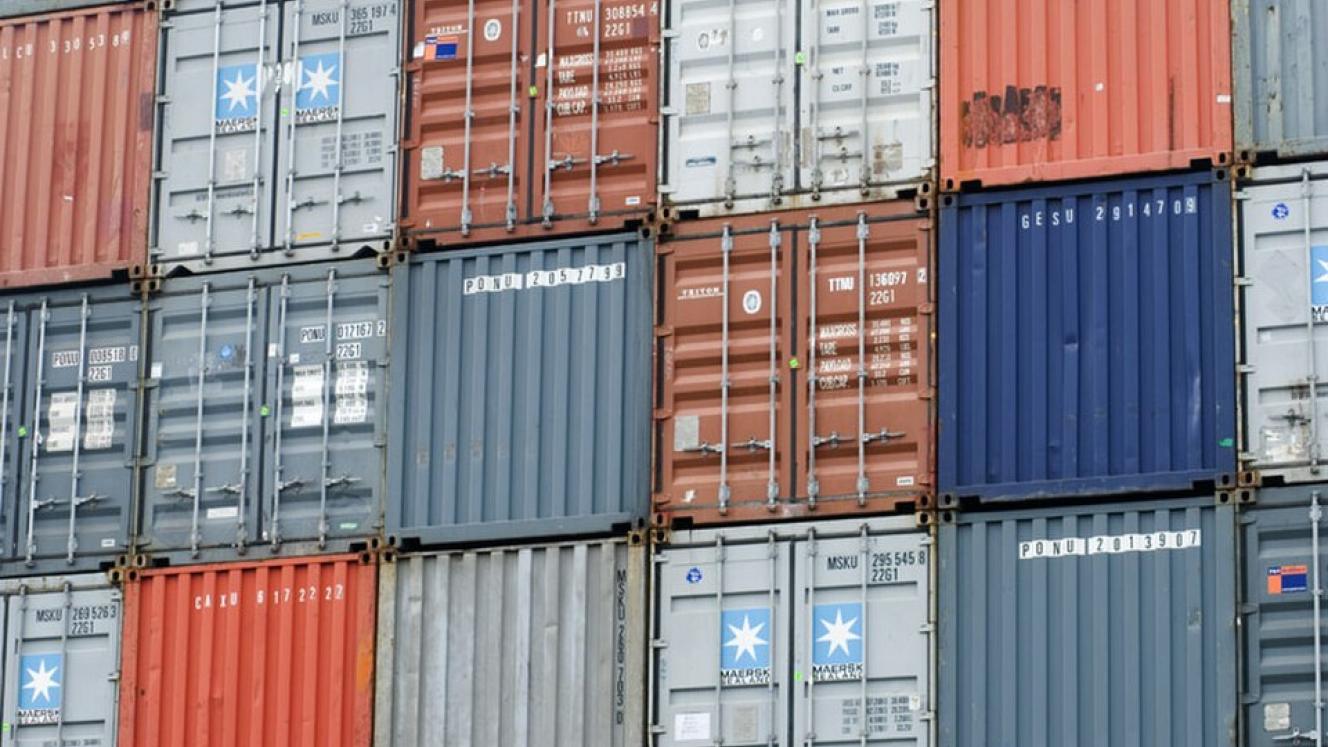
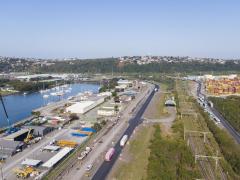
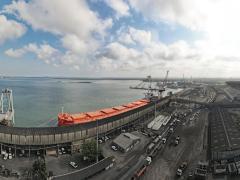
Informal settlements pose major challenge Leonard Neill SPOORNET SLASHED the incidence of theft from its rail systems by 75% last year following the implementation of stringent new security measures by its asset protection unit (APS). But the biggest challenge facing APS with regard to cargo risk - the encroachment of informal settlements on Spoornet land and particularly the rail reserve - is yet to be solved, says Harry Mashele, general manager of restructuring and joint ventures. “The distance from exposed cargo into the informal settlement is normally less than five metres and the settlement provides a convenient cover for operations against trains and their cargo. Criminals make use of the children and women to form a human barrier between themselves and APS personnel. “Trains are stopped through interference with the infrastructure and signalling, which provides an opportunity to open and steal from containers. “The other challenge facing Spoornet is the syndicates operating throughout South Africa. Spoornet’s vast network makes it almost impossible to safeguard all traffic en route. In addition, the port/rail interaction is not fully functional which results in incorrect loading patterns. As a consequence, an exposed container is sent throughout South Africa and is an easy target.” Mashele says the side door ‘three metre’ containers make protection of the freight almost impossible, as there is no effective lockable device used. On the upside, however, certain initiatives have made significant inroads. These include surveillance cameras at the City Deep/Kaserne operations, while certain trains are physically monitored in high risk areas. Loading patterns of trains are inspected at various departure points. “In the financial year 2001/2002, a total of 720 claims were lodged against the company with an attached monetary value of R23.7m. The new initiatives have resulted in expected claims with a monetary value of R6.5m for the current financial year. We regard this as a major success,” says Mashele.
New initiatives slash rail theft
Comments | 0
© Now Media. This content is protected by copyright and may not be adapted or republished. If you would like to discuss cooperation opportunities, please contact: editor@freightnews.co.za.