Since there is no single best model for designing transport policies or regulations for railways these should rather be custom-designed around the needs of all stakeholders.
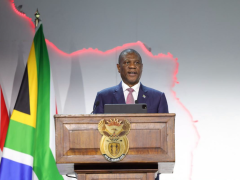
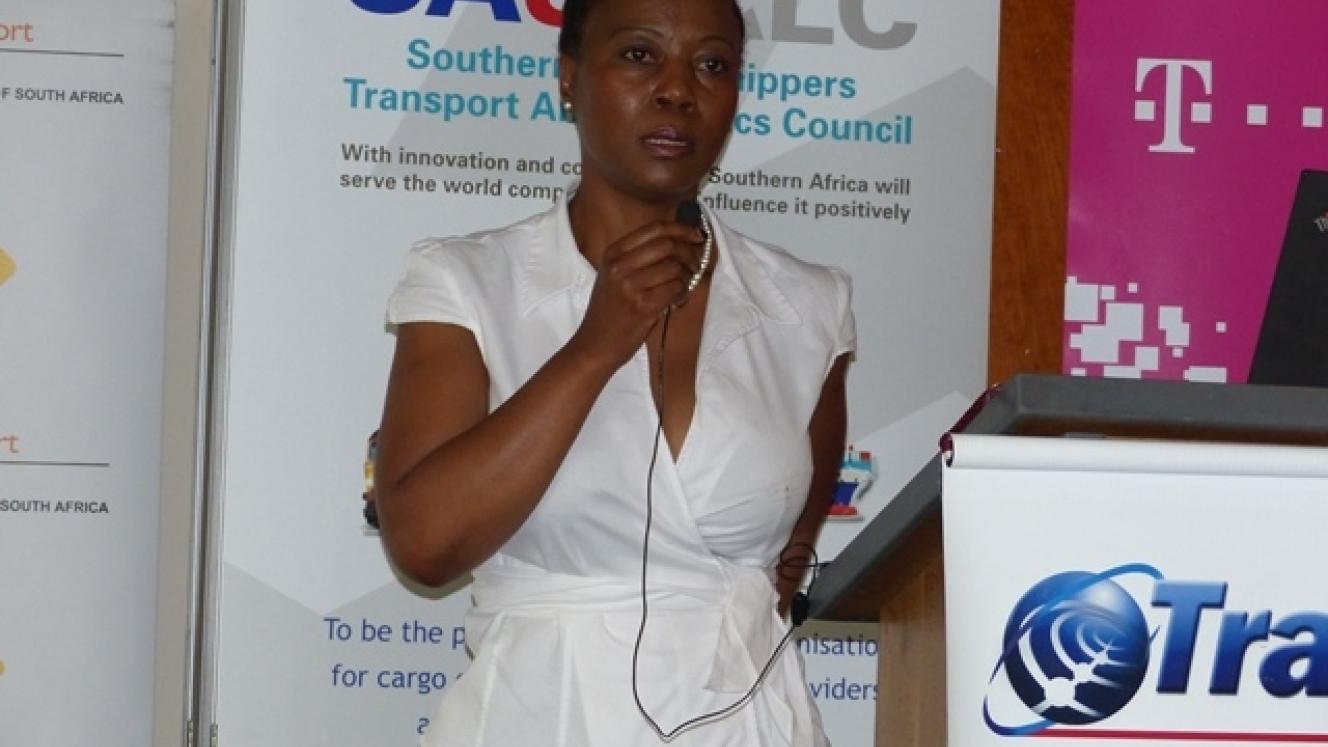
Speaking at the Transport Special Interest Group (SIG) Transport Month Conference in Johannesburg on Thursday, Kgomotso Modise, deputy director general for the Department of Transport, said that deregulation of railways often created skewed impressions around operational costs, particularly in situations where road transport was regulated and railways were not.
“This ultimately means that infrastructure costs for roads are covered mainly by taxpayers while railways remain self-funded. There is therefore the perception that road transport is much cheaper to run but the perception, in some cases, is incorrect,” Modise commented.
Furthermore, introducing competition into railways doesn’t necessarily mean that the monopoly of a single large operator is lessened. “Sometimes it simply means the large monopoly is broken up into a series of smaller monopolies and there is reduced profitability because the buying power is broken up and the profits are now shared between operators,” she noted.
“There is then a loss of economies of scale and a loss in terms of integration and co-operation between stakeholders,” said Modise.
She acknowledged the strong role government action and intervention played in influencing decisions around policy design for railways. “Government can either hamper or hinder strategy and policy and it is therefore vital to ensure that strategies and objectives are aligned and that government is involved when goals are defined.”