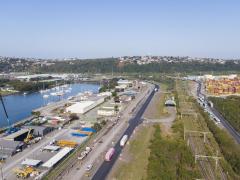
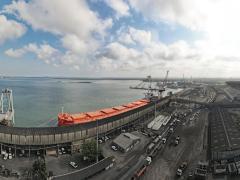
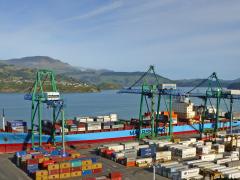
Mozambique’s port of Beira and Beira Corridor road are open for business again. Damage to the port was limited by the fact that the tropical Cyclone Idai struck during a neap tide, according to Captain Otto Nijkamp, Beira port’s harbour master. By the time the cyclone slammed into Mozambique, it had slowed down to a category 2/3 – but still with winds of up to 100 knots. “The port sustained damage, but in principle only to warehouses, storage tanks and the light masts,” Nijkamp told FTW. “In fact, we opened the harbour on Sunday again, although CdM and customs did not have their digital systems working again properly. “Relief aid and assistance are now at full throttle and, most importantly, the Beira-Inchope road is open again for truck transport. “We are very busy accommodating the vessels arriving into Beira with aid supplies and busy with normal commercial activities,” he said. According to Miguel De Jenga, the commercial director of Cornelder, Beira’s port operator: “Operations resumed at the container terminal on Tuesday
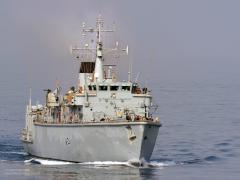
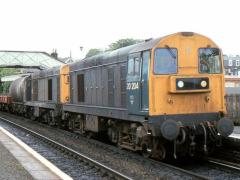
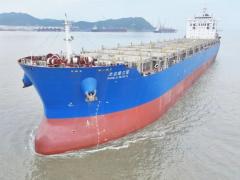
evening (after the storm made landfall near Beira on 14 March), with the first vessel being the MSC Capri ZN909R.” Her berth was taken by the Capri, which also completed loading and unloading and sailed successfully. “All quays are operational,” said De Jenga. “In addition to containerised vessels, we also have three Indian Navy vessels bringing humanitarian relief cargo to the victims of Cyclone Idai. “On the general cargo terminal, fenders that were washed away have now been replaced and the three quays are fully functional and are already loading vessels.” CFM railways also suffered some damage, but maintenance is under way and the railway line on the Machipanda route that connects Beira to Zimbabwe, is open. The Sena Line that connects Beira to Moatize (near Tete) was opened earlier. “Voice service communication in Beira has been normalised, but many companies do not yet have access to the internet,” said De Jenga.
The port sustained damage, but in principle only to warehouses, storage tanks and the light masts. – Otto Nijkamp