In the wake of a spate of containership fires caused by misdeclared cargo, maritime consultants Drewry believe it is time to name and shame rogue shippers that threaten the safety of the supply chain.
“If governments won’t or can’t do more to assist with container checks they can at least give shipping lines more tools to do it themselves, such as allowing some sharing of information on habitual criminals,” says Drewry.
While Drewry points out that the spate of fires has forced carriers to take action, with fines for misdeclared cargoes, they believe it is unlikely to change the behaviour of the criminally minded.
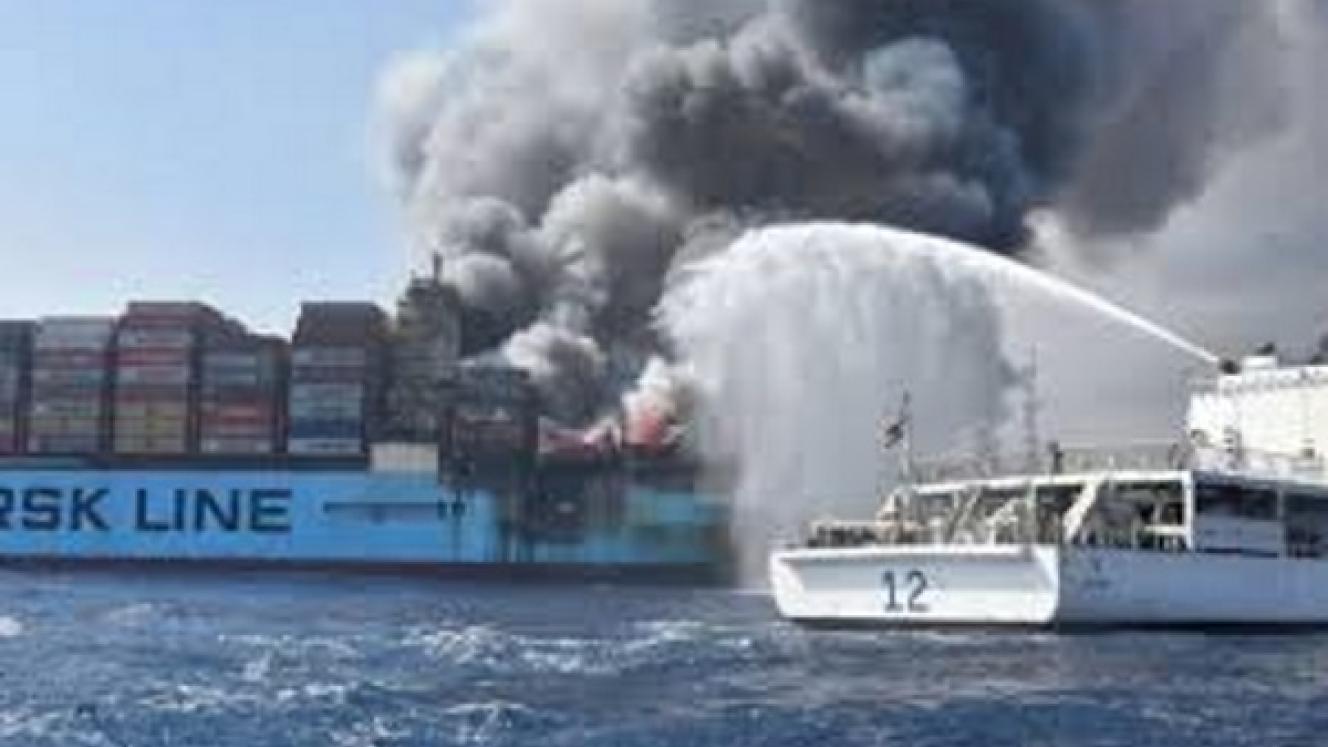
The most recent incident occurred in the aft section of the APL Le Havre (10 106 TEUs) on 9 August off the Indian west coast. While the cause of the fire is still being investigated, the latest incident is the eighth this year alone involving a ship carrying containers, says Drewry, well above the 60-day average for major fires cited earlier this year by TT Club, a transport and logistics insurer.
Drewry points to numerous initiatives that have been tried - like Hapag-Lloyd’s ‘Cargo Patrol’ software programme which has since 2011 searched all bookings made with the company to identify potentially dangerous or suspicious items. Maersk Line has introduced a random container check pilot in four US terminals, following the tragic fire on the 15 000-TEU Maersk Honam in March 2018 that claimed the lives of five crew members.
But Drewry believes that penalties for misdeclaration may work for some shippers but is unlikely to change the attitude of any rogue shipper who will still bet on evading the net.