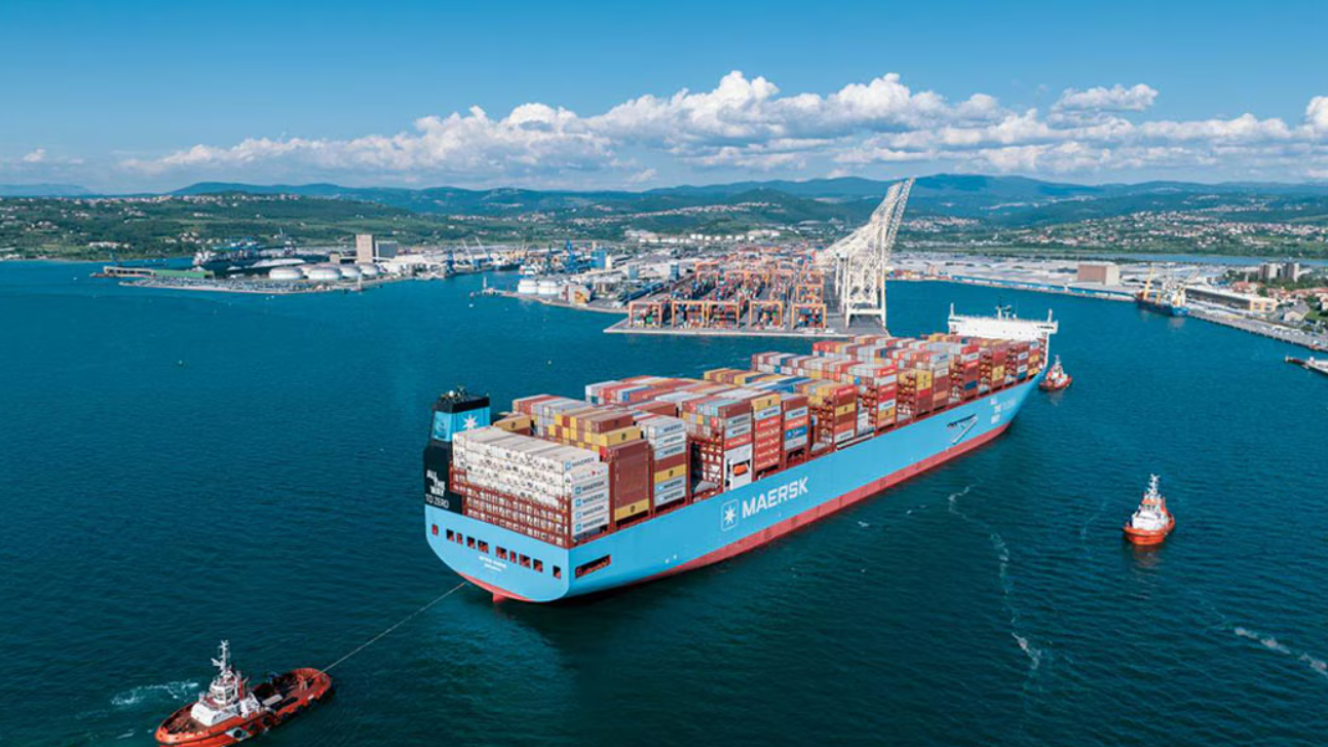
Turnaround strategies implemented at Transnet to fast-track the port and rail freight parastatal’s recovery have found traction in the bulk cargo shipped out via the Port of Richards Bay, Reuters reports.
An increase in coal exports of 11% to 57.66 million metric tonnes in 2025 via the Richards Bay Coal Terminal is the highest coal yield for the bulk commodities port in four years.
Although this is encouraging and underpins the state-owned entity’s (SOE) systematic return to more robust cargo figures, last year’s figures are 24.13% lower than the benchmark exports figure reached in 2017, when Transnet shipped 76 million tonnes of coal through the port.
Persistent capacity constraints, including locomotive numbers lagging behind what they should be, a shortage of spares to sustain operational units, infrastructure shortfalls as well as crime and vandalism, continue to choke Transnet Freight Rail’s (TFR) volume improvement potential, Reuters says.
TFR’s longstanding challenges also underscore the importance of making progress with the SOE’s current open-access network initiative, affording 11 approved private-sector operators provisional access to seven of South Africa’s key rail freight corridors.
That process, the South African Association of Freight Forwarders and Business Unity SA have identified as a primary development to watch in 2026.
Although some commodity shippers continue to use alternative ports such as Maputo – which could probably post higher throughput yields than it already does were it not for regular cross-border snags on the N4 into Mozambique – some miners have taken note of TFR’s bulkier results.
These include Thungela Resources and Exxaro Resources.
Reflecting on last year’s coal outflows, the Richards Bay Coal Terminal said 7 157 bulk train loads had been handled in 2025, an 11.27% increase from the 6 342 trains offloaded in 2024.
On average, 20 trains were offloaded daily, up from 17 year on year.
Asia is still the biggest importer of South African coal, accounting for 79.8% of last year’s combined export total, decreasing from 84.5% in 2024.
India imported more local coal than China, namely 25.75 million tonnes, or 45% of last year’s total load shipped through Richards Bay.
Exports to the European Union marginally increased to 7.2% of total coal outflows, up from 6.8% in 2024, driven largely by increased demand from the Netherlands.
Despite South Africa’s ongoing spat with Israel over the War on Gaza and subsequent diplomatic fractures between Tel Aviv and Pretoria, Israel’s coal imports from South Africa rose by a million tonnes to 1.78 million tonnes.
The 3.54 million tonnes sent to the Middle East in 2025 is almost double the figure exported the year before.