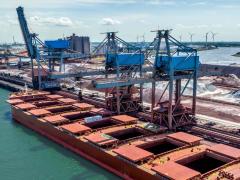
Kenyan tea exporters are willing to pay eight times more to ship cargo to the United Kingdom by air because of backlogging and resulting schedule disruption at the Port of Mombasa.
Peter Kimanga, chairman of the East African nation’s Tea Buyers Association, has said producers don’t have much of an option, other than flying out exports bound for the UK.
In 2024, the UK imported 57.44 million kilograms of Kenyan tea, placing it third behind Pakistan (206.27 million kg) and Egypt (86.90 million kg).
While 2025 data isn’t available, tea to the UK is valued at about $106-138 million, and contractual obligations are a primary concern if Kenya wants to sustain and grow its market strength of Britain’s favourite hot beverage.
But airfreight alternatives are biting into profit margins, Kimanga told Food Business MEA.
He said: “Currently, we are paying $2 per kilo to transport tea to the UK compared to $0.25 when shipping by sea. The costs are unbearable, but we have no choice as demand during this season in the UK is very high.”
Although the losses from sharp cost impacts on freight are severe, Kimanga stressed that the prospect of losing market access to the UK because of congestion in Mombasa was worse.
“The UK market is very sensitive, and once we fail to supply on time, the country will be categorised as an irregular supplier, which will affect future tea sales. We need to protect the UK market after losing the Sudan and Iran markets.”
Kenya Ports Authority managing director William Rutto has said that together with the Kenya Railways Corporation, the country’s logistics parastatals are working towards cutting cargo dwell times and customs delays.
But industry is not convinced, blaming government agencies for poor coordination with freight forwarders and related freight industry agents.
Kenya Ships Agents Association chief executive Elija Mbaru has said port delays are affecting the whole value chain – idling expenses at port, vessel chandling services and costs, ultimately leading to shipping-line charges being passed onto shippers.