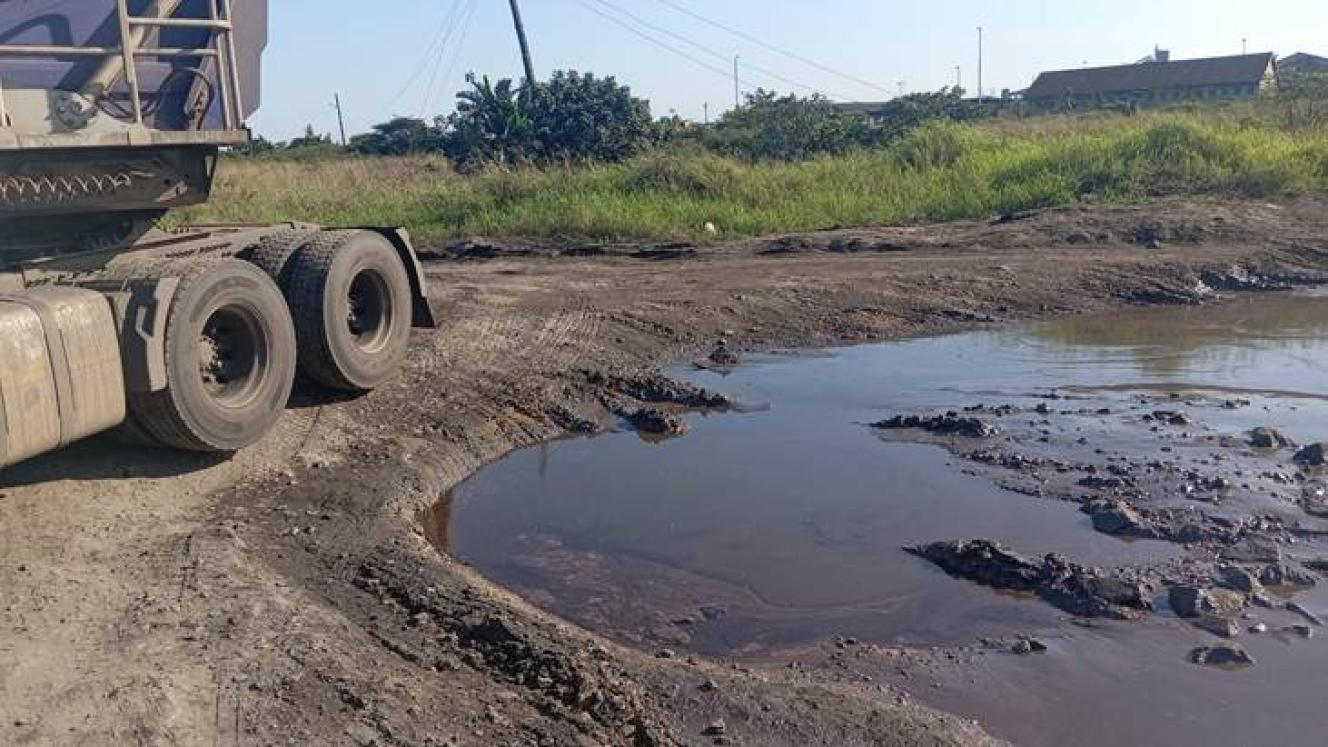
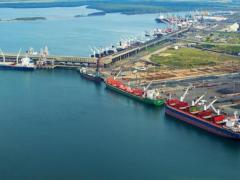
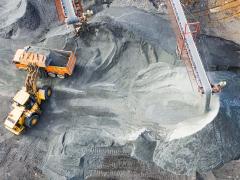
Mozambique’s window of opportunity for logistics companies that do not already have a strong base in the country is closing fast. So fast that companies new to the country are finding it extremely challenging to establish themselves. Over the past five years or so FTW has seen the logistics sector in Mozambique mature from what could best be described and understood as pioneering frontier companies which attracted business simply by having a presence and some systems in place to one where companies are in the process of re-engineering themselves. For the first time this year the FTW team heard the heads of Mozambican logistics companies talking about concepts such as brands, synergies, human resources and restructuring. They are reinventing themselves because the Mozambican business environment is modernising fast. “Mozambique’s transition from a post-conflict country to one of Africa’s ‘frontier economies’ has been nothing short of impressive,” is the way the World Bank describes the changes. Shippers and cargo owners now expect logistics companies in Mozambique to have the same systems in place as are found anywhere else in the world. Multinational logistics companies have also been attracted by the promise of a boom driven by oil, gas, coal and agriculture. Many have had offices in the country for years, but they are now staffing them with young and hungry leaders who have been carefully schooled in group strategy, systems and objective. Their country managers are no longer just managing, but are responsible for driving the business. This is good news for shippers and cargo owners because everyone along the logistics chain is upping their game. Mozambique’s economic growth of 7% in 2013 was led by transport and communications, financial services and extractive industries, according to World Bank statistics. What is interesting in the bank’s analysis is that it puts mining after transport and communications as the main economic drivers. The ports, which are independent of each other, understand that they face stiff competition from other harbours in the region. Importers and exporters in Zambia, Zimbabwe, Swaziland, much of Mozambique and Malawi all have a growing choice of ports. That choice has been created by the hauliers whose f leets operate the length and breadth of the sub-region. New electronic customs systems make it easier and quicker to cross borders, and the road infrastructure is being improved. Satellite and cellular networks make it possible to track cargo every step of the way. Knowing this, customers now want to be able to trace the progress of their loads online. There is simply no place to hide for inefficient hauliers, freight forwarders, warehouse operators, port authorities or clearing agents.
Mozambican logistis modernises to match economic growth
Comments | 0
© Now Media. This content is protected by copyright and may not be adapted or republished. If you would like to discuss cooperation opportunities, please contact: editor@freightnews.co.za.