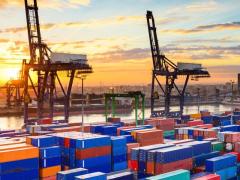
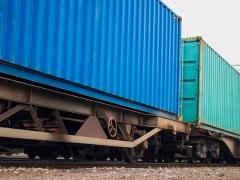
Rail is set to become the backbone of transport in the Western Cape as the province aligns itself with the draft National Rail Master Plan (NRMP), currently out for public comment. According to Isaac Sileku, Minister of Mobility in the Western Cape, the NRMP marks an important step in setting the long-term direction for the renewal, expansion and modernisation of South Africa’s rail system. Encouraging businesses and transport organisations in the province to engage with the document and submit their views, Sileku described the publication of the plan as a defining moment for rail. The draft plan provides a framework to guide investment and implementation across freight and passenger rail over the coming decades, giving effect to the National Rail Policy approved in 2022. Sileku has repeatedly warned that freight and logistics systems are coming under increasing pressure, with geopolitical instability continuing to disrupt global trade routes. During his budget speech earlier this month, he said conflict and uncertainty were driving up costs, delays and risk, while climate events and shifting trade patterns were exposing weaknesses in supply chains. “Countries and regions that get logistics right not only grow, they endure,” he said. Despite improvements at the Port of Cape Town, the province remains concerned about congestion, weather- related disruptions and operational inefficiencies. To strengthen logistics systems, the Western Cape has allocated R3 million in the current budget. Plans for the year include expanding the freight demand model; piloting the Road Transport Management System (RTMS) digital toolkit; advancing the Overberg freight rail business case; and investing in freight rail revitalisation. Sileku said positioning rail as the backbone of South Africa’s transport and logistics system was both necessary and timely, while aligning with the Western Cape’s broader logistics vision. “Current rail constraints limit the country’s ability to meet freight demand, affecting exports, economic growth and jobs,” he said. He added that the province was already working with Transnet to improve freight rail performance as part of broader efforts to strengthen export logistics. According to the latest Wesgro Logistics Sector Report, weak rail connectivity and ongoing port congestion remain key constraints for the province, despite growing international demand for Western Cape goods. The report states, however, that the province remains a high-value, export- orientated logistics hub anchored by its port and its diversified agricultural and manufacturing base. Exports reached R219.7 billion in 2025, reinforcing the province’s role as a gateway for sensitive and perishable goods. The report also found that rail rehabilitation and corridor logistics would need to become core investment priorities going forward. Other strategic areas identified for investment include port modernisation and terminal efficiency, cold chain and export-orientated warehousing, and integrated logistics platforms. LV
Minister hails draft rail plan as ‘a defining moment’
Comments | 0
© Now Media. This content is protected by copyright and may not be adapted or republished. If you would like to discuss cooperation opportunities, please contact: editor@freightnews.co.za.