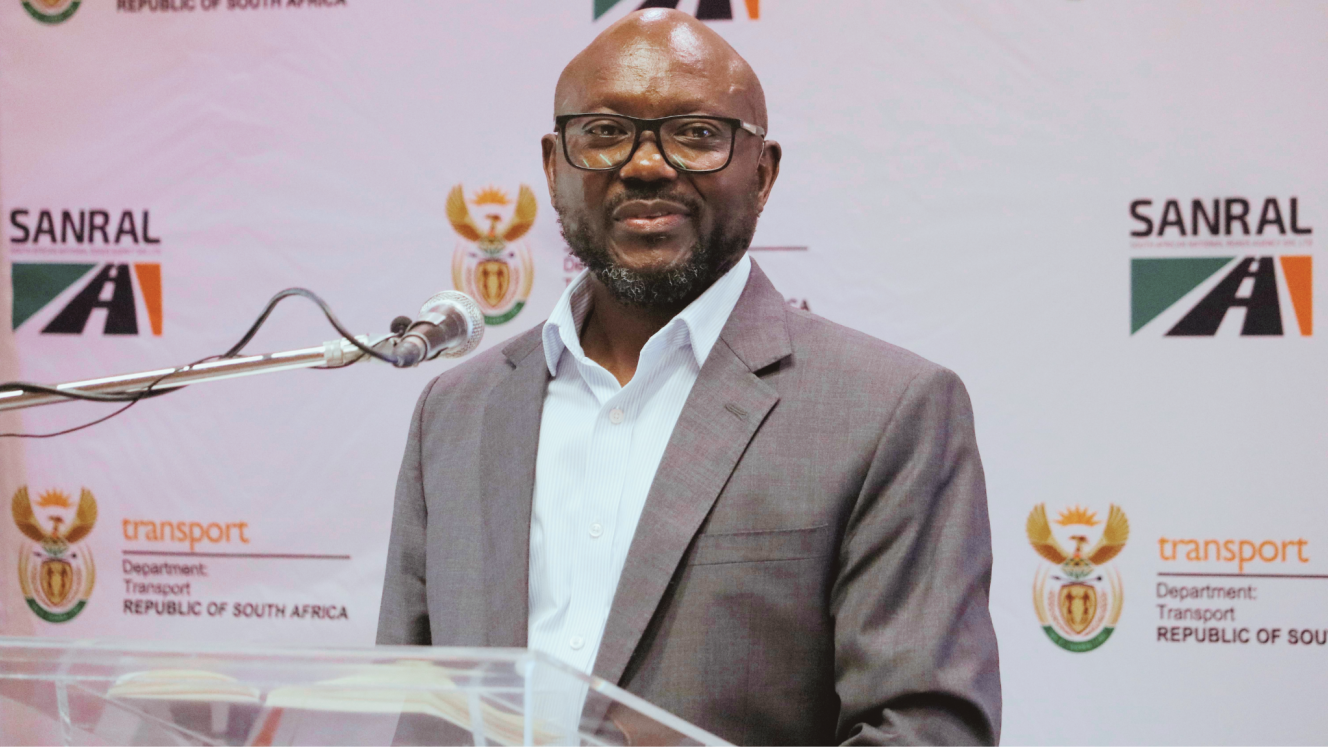
The mining industry contributed R356 billion to GDP in 2018 growing at 1.2%. This growth, said Roger Baxter, CEO of the Minerals Council of South Africa, was more than that of the national economy. “Mining exported 66% of its production to international buyers or commodity markets. At around $50 billion, these dollar earnings are equal to half of South African’s foreign reserves.” Baxter said these figures demonstrated the importance of mining to South Africa, an industry that had taken a battering
in recent years not only due to the slump in commodity prices but the instability in policy and regulation in the country as well as the state capture of the mineral resources department. “Hope is in the air. We can see the green shoots of optimism coming through,” he said although he was not as optimistic as Minister of Mineral Resources, Gwede Mantashe, who wants to see 10% growth in the sector in 2019. This, said Baxter, would be difficult to achieve. In terms of the corruption and state capture, Baxter said the “boil has been lanced” and already industry and government were no longer meeting each
other in court, but in the boardrooms and discussions were ongoing. “We don’t always agree, but we are talking,” he said. According to Henk Langenhoven, Minerals Council chief economist, even though the sector grew last year, employment continues to decline. A total of 56 366 jobs have been lost over the last five years. And in terms of fixed investment into the sector there was virtually none – a weighted average of only 0.4%. “The industry exported R312 billion worth of commodities, 25% of the country’s 1.25 trillion export sales,” said Langenhoven. “Due to the combination
of rand commodity prices stagnating since their peak at the beginning of 2017, and costs rising consistently
faster than the former, the mining sector has been in a ‘profit squeeze’ for at least the last five years.”