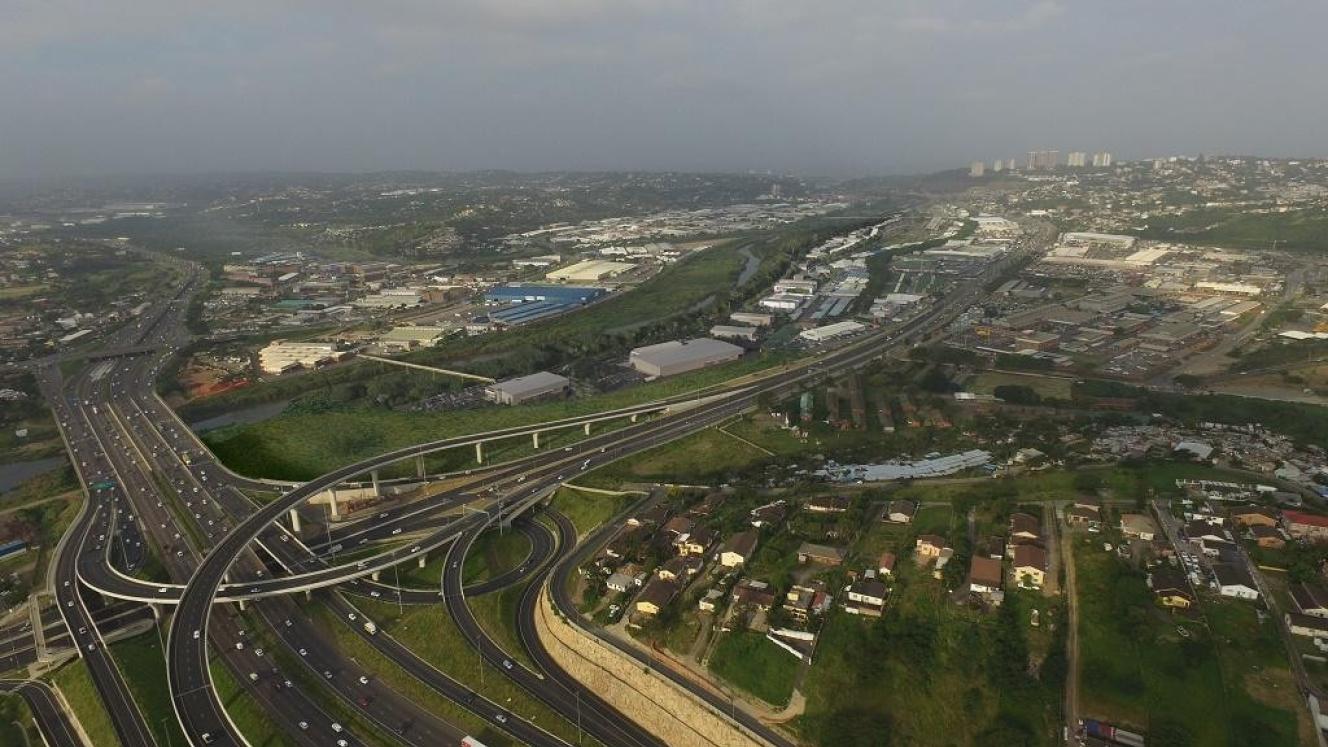
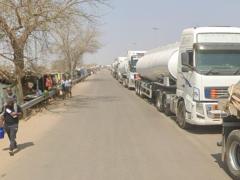
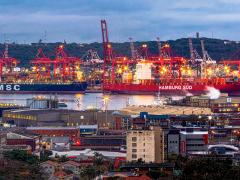
As investors look to Africa for opportunities in the mining, industrial and agricultural sectors, local businesses are gearing up to take advantage of the anticipated growth. Gary Wagner, group Africa development manager at Turners Shipping, is confident that there are major business opportunities for the taking. “It is up to us in the South African logistics industry to offer a diverse array of services that will ensure that we benefit from the investments to the north of our borders. We also need to keep an eye on local developments and South Africa’s global exports.” Growth in the mining and agricultural sectors requires infrastructure development, says Wagner. “We see this in the large-scale electrification projects in East and West Africa.” And despite competition from other African ports, he believes South Africa is still regarded as a gateway into sub-Saharan Africa. “Ports such as Dar es Salaam and Mombasa service the land-locked countries in the region but lack both the capacity to handle additional freight required for large projects and the equipment to handle super-abnormal outof- gauge cargo.” Wagner, who has spent some time developing and managing logistic distribution networks in East and West Africa, South America, the Middle East and Asia, says that an understanding of trade and customs requirements between different countries is essential, as is having reliable suppliers and agents in your network. “A lot of so-called inefficiencies are the result of shoddy planning and incomplete paperwork. In my experience, if the formalities are completed and the necessary import/export licence requirements are in place, things run smoothly.” It is not only the landlocked countries like Botswana, Zambia, Zimbabwe and Malawi that are serviced by road transport – even countries with ports, like Namibia, Angola and Tanzania, rely heavily on the inland road networks. “In some instances road transport to these countries is faster as there is often congestion at their ports,” says Wagner. “Transport into Africa is expensive so it is important for us in the industry to keep costs to the minimum for our clients by avoiding unnecessary delays.”
‘Minimising delays is key to containing costs’
Comments | 0
© Now Media. This content is protected by copyright and may not be adapted or republished. If you would like to discuss cooperation opportunities, please contact: editor@freightnews.co.za.