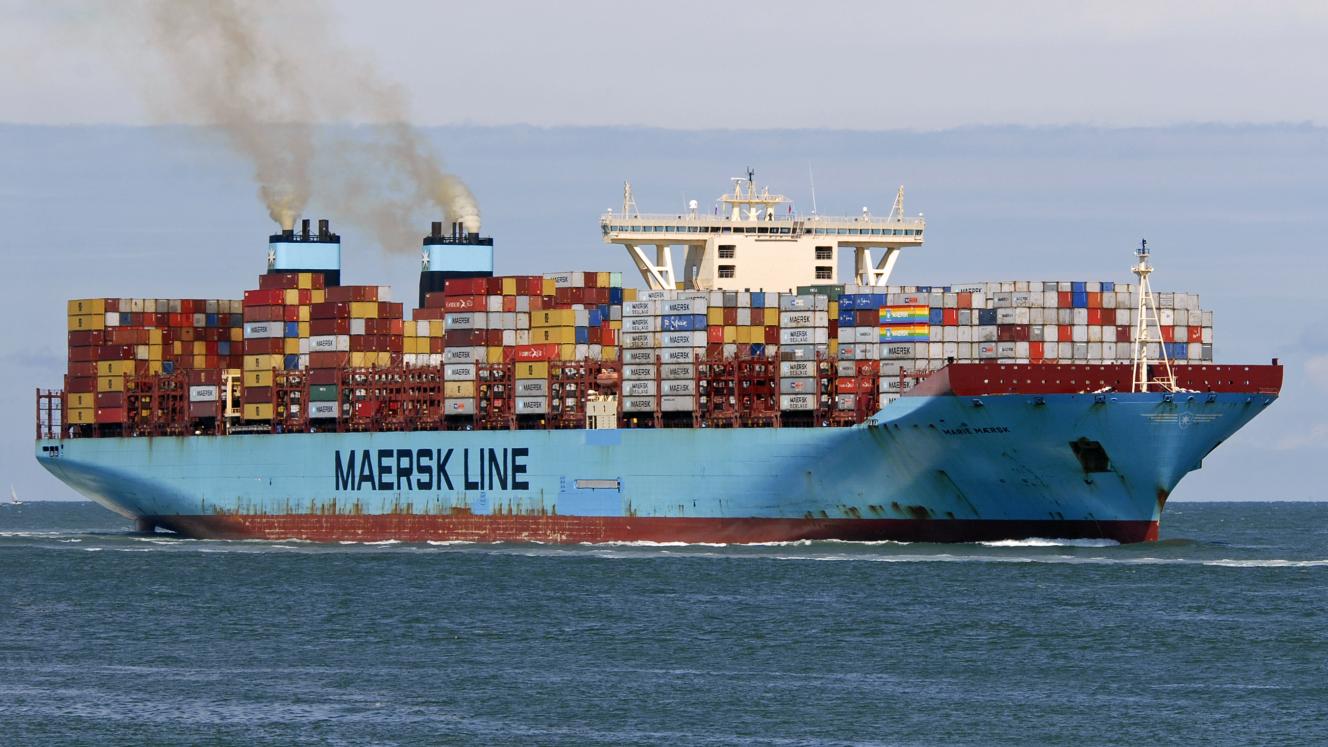
Fuel prices could rise by as much as 20 to 30% come January when the International Maritime Organisation introduces its sulphur cap. The 2016 decision to apply a sulphur cap of 0.5% on bunker fuels would affect fuel prices across the board, said Kevin Baart, head of strategic projects at the South African Petroleum Industry Association (Sapia). “Refiners will respond by increasing distillate production which in turn will lead to a rise in distillate prices,” he said, indicating that some analyst predicted this could be as much as 20 to 30%. “That means a shift in diesel type products to bunker fuel. So we can expect an increase in the demand for diesel worldwide which will lift the price of diesel which in turn will lift the price of crude oil worldwide. The bottom line is that we can expect a cost increase.” This, he said, also applied to shipping rates which could even lead to changes in trade patterns. Baart said he expected to see the prices start to increase towards the end of 2019. “This is when refineries will start converting their fuel to low sulphur and flushing their systems to ensure they are ready with compliant fuel on January 1.” He said while the cap was aimed at shipping, it would affect fuel prices across the board. In the bunker industry alone it is likely that one will see a rise in cost estimated around $50 billion. He said this cap would no doubt have major implications for importers and exporters. “Importers will see an increase in the landed cost of products, with the anticipated rise in the price of fuel pushed by increased Free on Board (FOB) prices and the increased freight component of the Basic Fuels Price (BFP),” he explained. “For exporters there will be more competition with other third-party suppliers in target markets.”
Massive fuel hikes expected in light of sulphur cap
Comments | 0
© Now Media. This content is protected by copyright and may not be adapted or republished. If you would like to discuss cooperation opportunities, please contact: editor@freightnews.co.za.