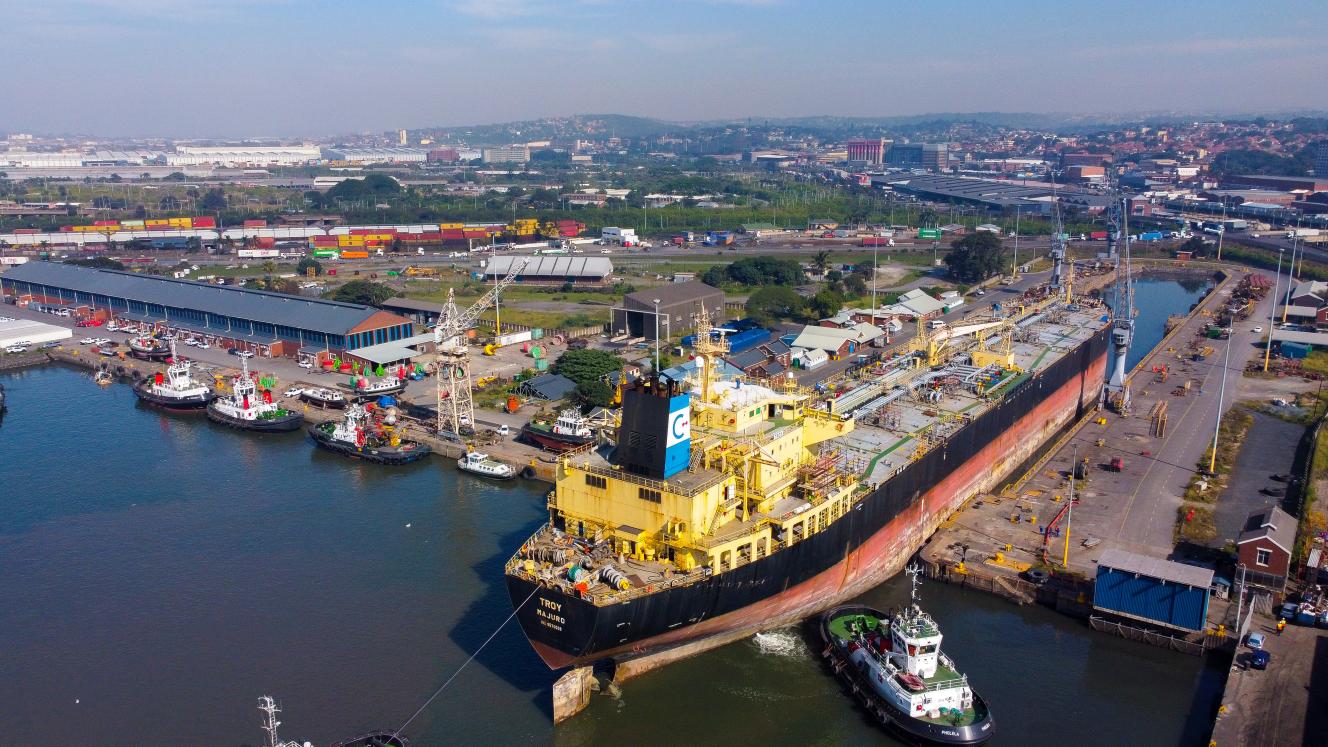
With the rand-dollar exchange rate favouring exporters, values and volumes of perishable cargo are high – with knock-on benefits for the marine insurance industry. “It means we’re getting a decent amount of premium – but when there’s a claim it’s often sizeable,” chief operating officer of Associated Marine, Mike Brews, told FTW. “We’ve had a few claims this year ranging from incorrect settings and containers not plugged in to container break-downs. There have also been some issues with the cold steriprocess in the likes of Japan where certificates have fallen short of the requirements – and this has led to some rejections. But generally the market is fairly experienced in exporting fruit,” he said. This industry savvy along with the benefits of advanced technology have paid dividends. Congestion-related delays at the Port of Durban, for example, are not an issue thanks to the sophisticated reefer technology. “When you look at a three- or four-week journey, three or four days either way is manageable,” said Brews. “The only problem we do encounter from time to time is not enough plug points in the harbour which means the haulier has to find alternative storage space for containers where they have to be plugged in or monitored.” A growing trend he’s noted in the market is exporters wanting to insure inherent vice – which is damage to the goods during the growing process or inherent in the product. “Our policy covers losses that happen from the time goods leave the store until they are delivered and not prior. While this type of cover is offered by some overseas insurers, historically we’ve found that it’s not sustainable.” INSERT & CAPTION Congestion-related delays at the Port of Durban, for example, are not an issue thanks to the sophisticated reefer technology. – Mike Brews
Market experience minimises claims
Comments | 0
© Now Media. This content is protected by copyright and may not be adapted or republished. If you would like to discuss cooperation opportunities, please contact: editor@freightnews.co.za.