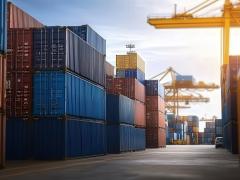
Liability affects everyone in the import chain, but it’s something of which some parties in this chain are oblivious. Liability is defined as an obligation, responsibility, or debt – in this case to the State. Section 44 of the Customs Act states that liability for customs duties commences when the goods are deemed to have been imported. This could be either when they enter the SA territorial space or when they are landed in SA. Thereafter liability is transferred from one party to another, until the goods are cleared for home consumption/ export whereafter they may still be liabilities in respect of the goods. Liability is generally shared between the importer and another party, mostly his/her clearing agent, approved bond store or the container depot. This means that when there is a contravention of the Customs Act then a demand for the loss of revenue will be addressed, at least, to the importer and another party. When one looks at it simplistically, each party involved in the importation process has limited liability to the extent that she was involved in the process. For example, the container depot has liability under the Customs Act to the extent that it stored the cargo. Practically this means that if the container depot stores a container said to contain fridges but actually, upon investigation, it is found to contain clothing, then Customs cannot hold the depot liable for the misdeclaration of the contents of the container. However, if the container depot receives three sealed 40 foot containers, and upon investigation only two can be accounted for, they can be held liable for the missing container. The depot operator remains liable for the duty until the goods are delivered, after due entry has been made, to the importer or his agent or if not entered, delivered to the warehouse. It is therefore extremely important that the 'holder' of the cargo be fully aware of the risk and liability attached to the removal or transportation or storage of the cargo until that cargo has been cleared and the importer has taken delivery thereof. Furthermore, liability always ceases at some point.
‘Make sure you know where your liability begins and ends’
Comments | 0
© Now Media. This content is protected by copyright and may not be adapted or republished. If you would like to discuss cooperation opportunities, please contact: editor@freightnews.co.za.