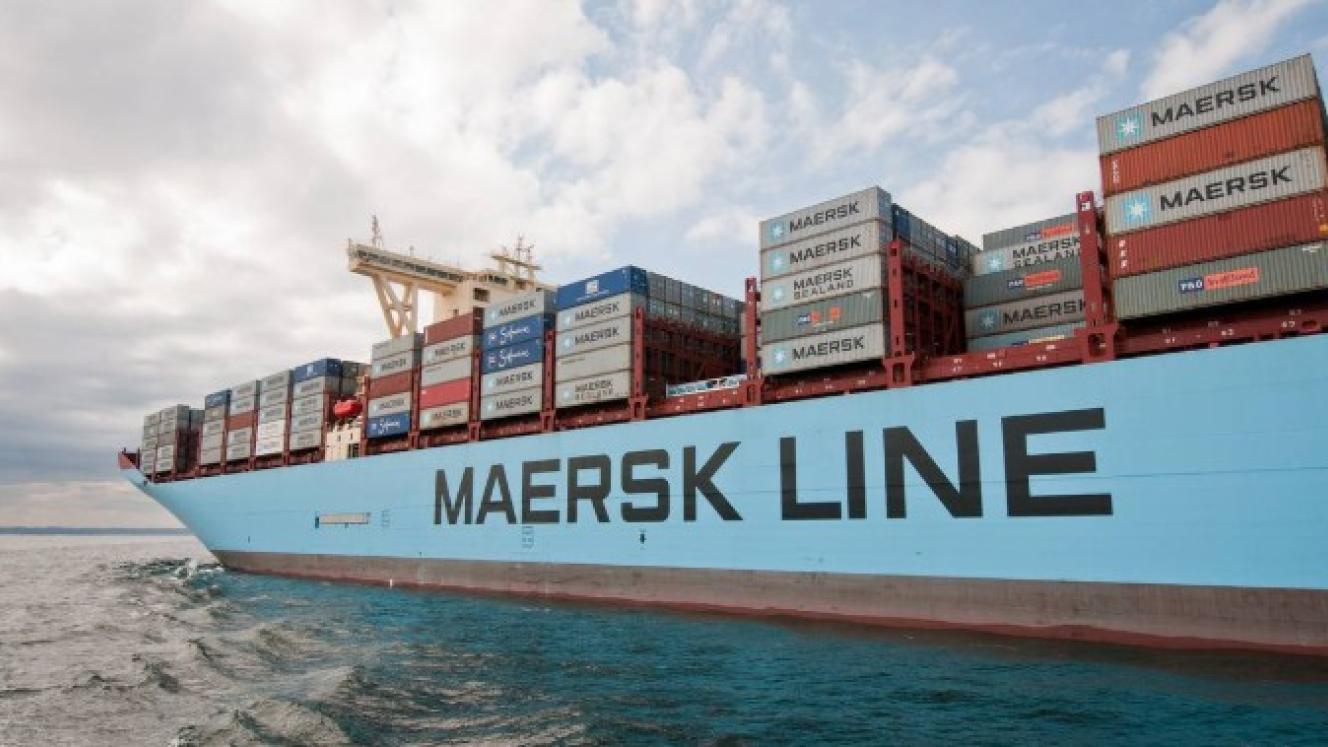
In a first significant show of faith that it’s trusting the tenuous peace south of the Suez Canal, Maersk is routing its Middle East Container Line (MECL) service through the Egyptian waterway again.
Two vessels have already transited the Suez successfully, without any incident in the Red Sea by Houthi militia forces in Yemen, from where maritime disruption attacks were first launched in late 2023.
Transits by the Maersk Sebarok and Maersk Denver substantially shorten east-west rotations between Western Europe and the Far East.
In respect of a port such as Rotterdam, an 8 440 nautical mile (nm) voyage to Shanghai – one way – would ordinarily be 3 000-3 500 nm shorter, compared to the 11 720 nm route around the Cape of Good Hope (CoGH).
After an initial testing of the water in December 18-19, Maersk has committed itself to what it calls a “structural change of the MECL service”.
The Danish line has said it’s “a significant milestone in Maersk’s gradual resumption of trans-Suez sailings”.
It added that the Suez service "is the fastest, most sustainable and most efficient way to serve customers with transport between Asia and Europe”.
Returning to the Suez comes after the MECL service was rerouted to the CoGH in early 2024, requiring additional vessels to cater for extended sailing time on the safer voyage round Africa.
As a result of Maersk’s decision, two box ships will be taken out of the 14-vessel MECL service.
Various sea trade analysis platforms, including Xeneta and Alphaliner, have cautioned against an expected potential capacity glut if too many carriers pull vessels out of CoGH rotations because of Suez trade resumption.