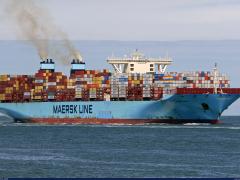
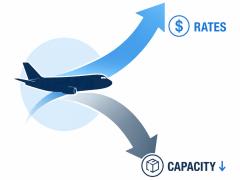
Maersk Line has put a complete stop to further investment in its reefer (refrigerated container) division. In an exclusive interview on a trip to SA, Thomas Eskesen, senior director of reefer management for the AP Moller Maersk Group, told FTW that the return on reefer investment was no longer sufficient. “The good news is that there has been a significant demand for reefer transportation,” he said. “The bad news is that the investment needed to meet the gap between supply and demand is high. “So Maersk has decided to stop our investment in new reefer equipment for 2013 because it’s so capital-intensive.” And the figures for this investment give a good idea of why Eskesen describes it as so. The AP Moller Group has cancelled planned investments of US$500 million in new equipment for 2013, and US$1.7 billion was the total investment cost in 2012 just to maintain the existing reefer fleet. In a communiqué to customers, the line said: “We are at a cross-roads. Cost saving and process improvements can no longer provide for an acceptable return. “Continued investment in reefer is our preferred path, but current returns do not support this path. Investing in reefer equipment must be financially sustainable.” Eskesen followed a similar train of thought when he told FTW: “The outlook is not particularly bright. So it’s got to the point now where us investing such a large amount is not justified. “It’s such desperate times – that’s the main point. Due to substantial losses we felt that we should not invest any more.” With Maersk having a reefer market share in excess of 20%, this restriction in acquiring new equipment is going to lead to a supply/demand gap in the market. On its own estimates, if Maersk Line does not recommence investment, global reefer container demand will outstrip supply by 9% by 2015. What’s going to fill this gap? Not the conventional reefer vessels, Eskesen reckoned, adding that they won’t fill the supply/ demand gap as they are scrapping significant capacity. The conventional vessel reduction of 8.5% from 2011 tonnage was the highest seen to date (as at July 2012), he told FTW. Also, this year some 59 of 688 vessels were scrapped to date, and this could reach 100 vessels by end- 2012. The conventional fleet is growing older as no new investment in vessels is planned. Also, the scrapping of younger vessels results in a significant reduction of shipping supply for the reefer market. And the latest trends also indicate that increasing preference for reefer containers is rapidly pushing conventional reefers out of the perishable trade. According to Eskesen, 70% of the reefer market is now containerised, although this figure differs market to market. In SA, for example, the 2010 split was 80% containerised to 20% conventional – and in 2011 this number had increased to 84% containerised and 16% conventional, according to the information that the Perishable Products Export Control Board (PPECB) circulates. “Also,” Eskesen added, “global volume of containerised reefer traffic is increasing at a fairly healthy percentage of at least 5% a year.” So the end conclusion to all this is that there will either be an unbridgeable supply/demand gap, or other major lines are going to have to take on the very financially risky path of massive investments in their reefer trades. CAPTION Thomas Eskesen … ‘Investing such a large amount is not justified.’
Maersk halts reefer investment
Comments | 0
© Now Media. This content is protected by copyright and may not be adapted or republished. If you would like to discuss cooperation opportunities, please contact: editor@freightnews.co.za.