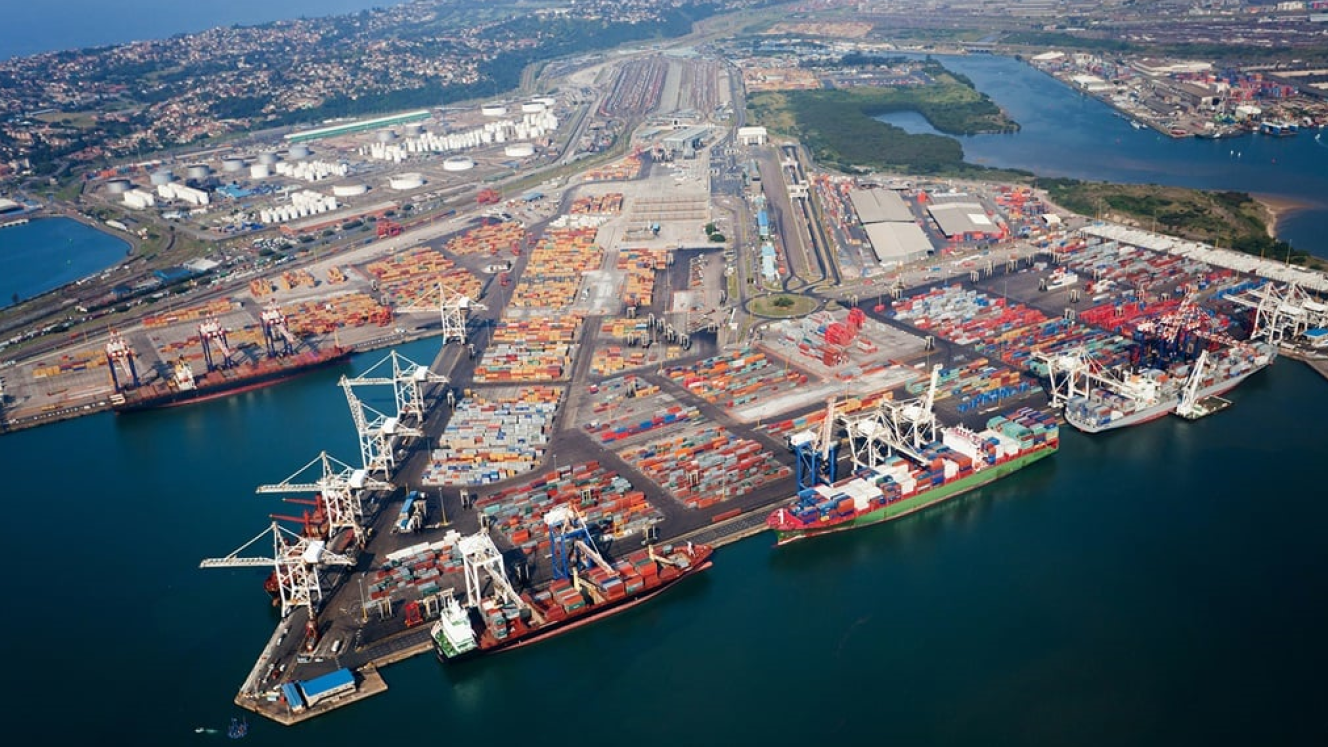
While the perishable industry has not escaped unscathed, it has been less affected by the global economic crisis than most, says Maersk Line reefer sales manager Graham Schrieder. In this interview with FTW’s Joy Orlek, he offers his insights into the current state of the industry. FTW: What percentage of your business does reefer cargo represent? How has this changed over recent years? GC: Reefers are a significant portion of the total export volume for Maersk Line and are expected to increase as a percentage in 2009 due to the amount of dry cargo that has dropped off. As we know the automotive and mining industries have been affected to a large degree and so too export volumes. We expect containerised reefer volumes for this year to be relatively stable in comparison. Maersk line has been successful in conversion from conventional to containers on various trades. FTW: How has reefer business performed over the past year? To what extent has it been affected by the global economic crisis? GC: The total perishable volume is down around 10% for the first part of 2009 compared to 2008. Container volumes are around 12% down. The most affected market – which is the biggest market for South Africa – is the European market which is down around 15%, mainly due to market prices and excess fruit in the market. The economic crisis has hit all industries. Perishable cargo has been affected but less than most as it is still part of the bare essentials and people still need to eat. However, there is less disposable income with the growing unemployment in Europe and throughout the world. FTW: What are your strongest markets? Any new markets trends? GC: Europe is our strongest market, more specifically UK and the Netherlands. This has been the case for a number of years and I expect that it will continue for the next few years. The Saudi market is expected to grow significantly in containers. The USA may see a decline with more Chilean oranges being shipped and prices coming under pressure. FTW: What are the key challenges for reefer shippers and how are these being addressed? GC: Key challenges for shippers are the peak loading weeks and bottlenecks where extra costs are incurred. This is being addressed by looking to spread the volumes to load out of more ports and not focus mainly on Durban. Congestion in the ports is another major challenge. This is due to various factors but the major underlying factor is weather and productivity across all our major ports. One hiccup in one of the ports has a ripple affect on the rest and costs go up for both shipper and carrier. This ultimately hinders South Africa and makes us less competitive than other countries where the landside and shipping is cost-effective. This is being addressed by the industry on an ongoing basis and will take time to rectify. FTW: Last year this time we were concerned about the impact of rising fuel on reefer shipments. Any comments? GC: It was a growing concern for both shippers and carriers, as rising costs were threatening sustainability and putting unnecessary pressure right the way down the chain. Carriers were under-collecting due to the lag in re-pricing (month on month) BAF and shippers still had to pay unacceptable fuel costs due to the oil price at the time. The economic slow-down may have had some benefit and brought the bunker rate to a more acceptable level. We are still seeing volatility in the oil price and it will be interesting to see how it finishes up this year. Interestingly BAF has fluctuated roughly between US$650 and $800 less compared to 2008 depending on the month, with the biggest month differential in July. This has assisted the citrus growers to some extent with their crop being stated as one of the most expensive crops produced. FTW: What is the outlook? GC: With the state of where container lines are, we are under pressure just like growers and exporters. Maersk Line believes in sustainable business and a win win formula. We will continue to support and facilitate the creation of opportunities to sell our wonderful fruit and vegetables to as many markets as possible for our clients.
Lower fuel price has helped citrus industry
Comments | 0
© Now Media. This content is protected by copyright and may not be adapted or republished. If you would like to discuss cooperation opportunities, please contact: editor@freightnews.co.za.