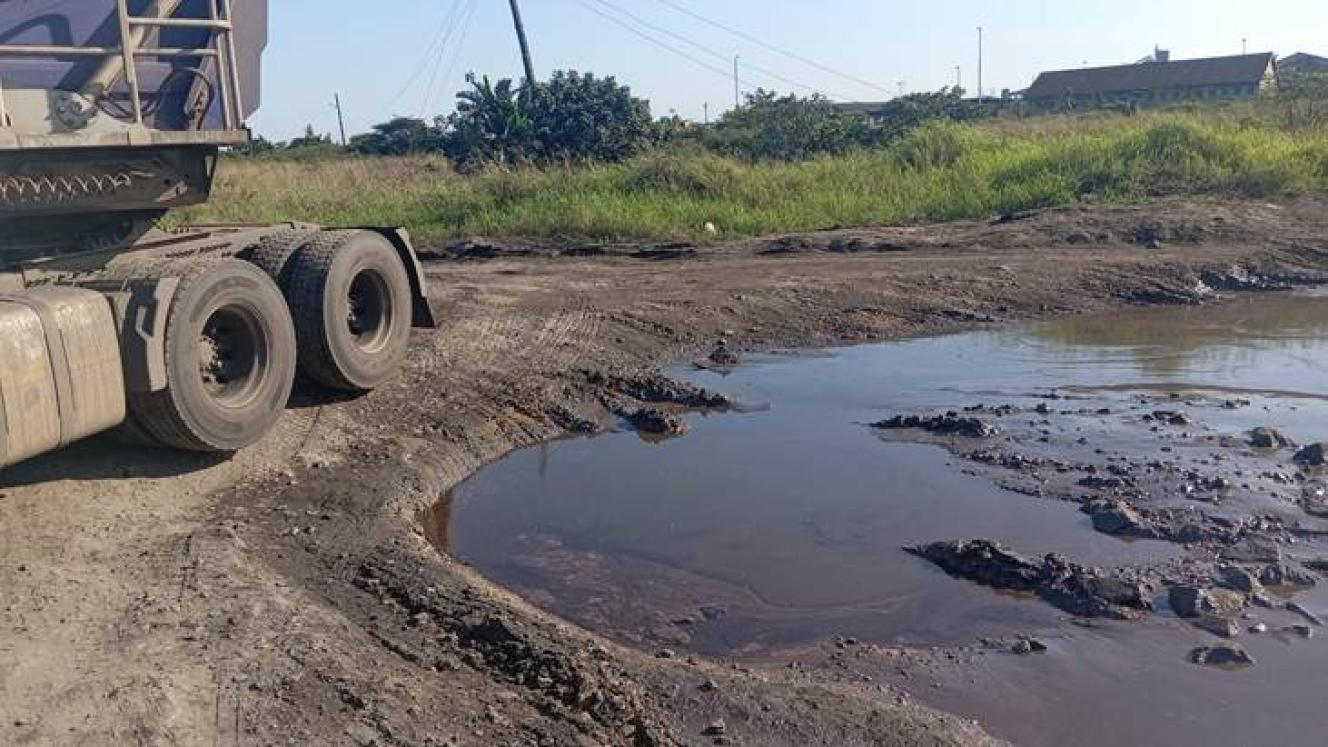
Lumumba road Zambia is a microcosm of the Zambian economy. Trucks carrying loads of copper, chemicals and fast moving consumer goods thunder past informal businesses which line the street up to the verge on both sides in places. As our taxi driver Sims observed, all it will take for a major accident is for one of the thousands of trucks travelling daily on the road to lose control, to be bumped or to swerve to miss a pedestrian. Lumumba Road is just one of the informal retail business strips that have sprung up over the past year or so because of lack of enforcement of regulations. Some put the flood of new informal stalls down to government’s unwillingness to take unpopular steps ahead of an election. Others to a sign of an economy that it is starting to grow. According to African Development Bank estimates the informal sector contributes about 55% per cent of sub-Saharan Africa’s GDP and employs 80% of the labour force. In Zambia there are two categories – those who are selling mostly second-hand clothing and goods, and those who manufacture and sell at the side of the street. Need furniture? There’s another street in Lusaka where you can see it being made, have it designed to order or buy what is on the pavement “showroom”. What the two have in common is the need for logistics. Used clothing is imported through one of the ports serving Zambia, has to be transported to a warehouse, broken down into affordable bales, sold to the informal retailer and then transported to the shop. A shorter but not necessarily less complex logistics chain takes fresh produce from the farm to the consumer in markets across the towns and cities of the country. Carpenters and the manufacturers of burglar bars and other ironwork need to have their supplies delivered on site as well. It is a segment of the market that seems to be the preserve of the informal logistics service provider. But, it could be a missed opportunity. The market at what is known as the “Base of the Pyramid” takes logistics service suppliers out of their comfort zone. Research undertaken in India found that, in addition to physical distribution, suppliers had to support the promotion of the goods, credit and financing, and after-sales service. CAPTION Lumumba Road in Lusaka ... Where traffic and trading meet.
Logistics operators plug into thriving informal sector
Comments | 0
© Now Media. This content is protected by copyright and may not be adapted or republished. If you would like to discuss cooperation opportunities, please contact: editor@freightnews.co.za.