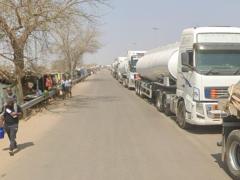
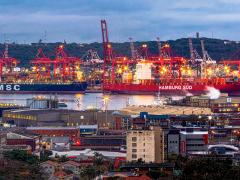
ALAN PEAT THE SHEER inefficiency of SA’s parastatal transport network is costing the export industry about 3% a year in potential export volumes, according to a unique survey conducted by the SA Shippers Council (SASC). This survey, conducted with the help of FTW, is primarily aimed at fulfilling the SA government request to the shipping industry to supply concrete data quantifying the effects of the current ill-performing logistics infrastructure in this country. “Although the survey wasn’t applied as a fully scientific study,” said SASC executive director Nolene Lossau, “it is still complete enough to give a clear numeric indication of the effects of the current inadequacies in SA’s public sector transport infrastructure - the various operations under the Transnet banner.” Indeed, it is the first time that the general complaints from the export industries have been quantified - and supplies figures to indicate just what SA is losing in export potential because of serious flaws in this government-owned monopoly. “As you can see from the accompanying statistical data (see page 12),” said Lossau, “the industry has numerically indicated that there is a “gap” of 16% over five years between the To page 12 From page 1 current projected growth and the possible growth given an internationally competitive and efficient transport infrastructure. “That’s a loss to the export industry of about 3% per annum, which, if converted into cash terms, is a multi-billion loss each year because of the inadequacies of the Transnet subsidiaries - and a clear indicator that a major reconstruction of SA’s public transport infrastructure is vital.” The six commercial SA ports - falling under the management of the National Ports Authority (NPA) and SA Port Operations (Sapo) - are part of this problem. However, with public/private sector co-operation, and a range of new equipment either in place or due to be delivered, most port users feel that the current congestion problems - particularly Durban - are likely to be mostly overcome in the short- to medium-term. But Spoornet is described by export industry commentators as “completely chaotic”, and with little chance of any cure being effected as long as it remains in its present state. Management attitudes, excessively high rail rates and the slow deployment of rolling stock to export companies are all condemned by exporters.
Logistics inefficiencies
Comments | 0
© Now Media. This content is protected by copyright and may not be adapted or republished. If you would like to discuss cooperation opportunities, please contact: editor@freightnews.co.za.