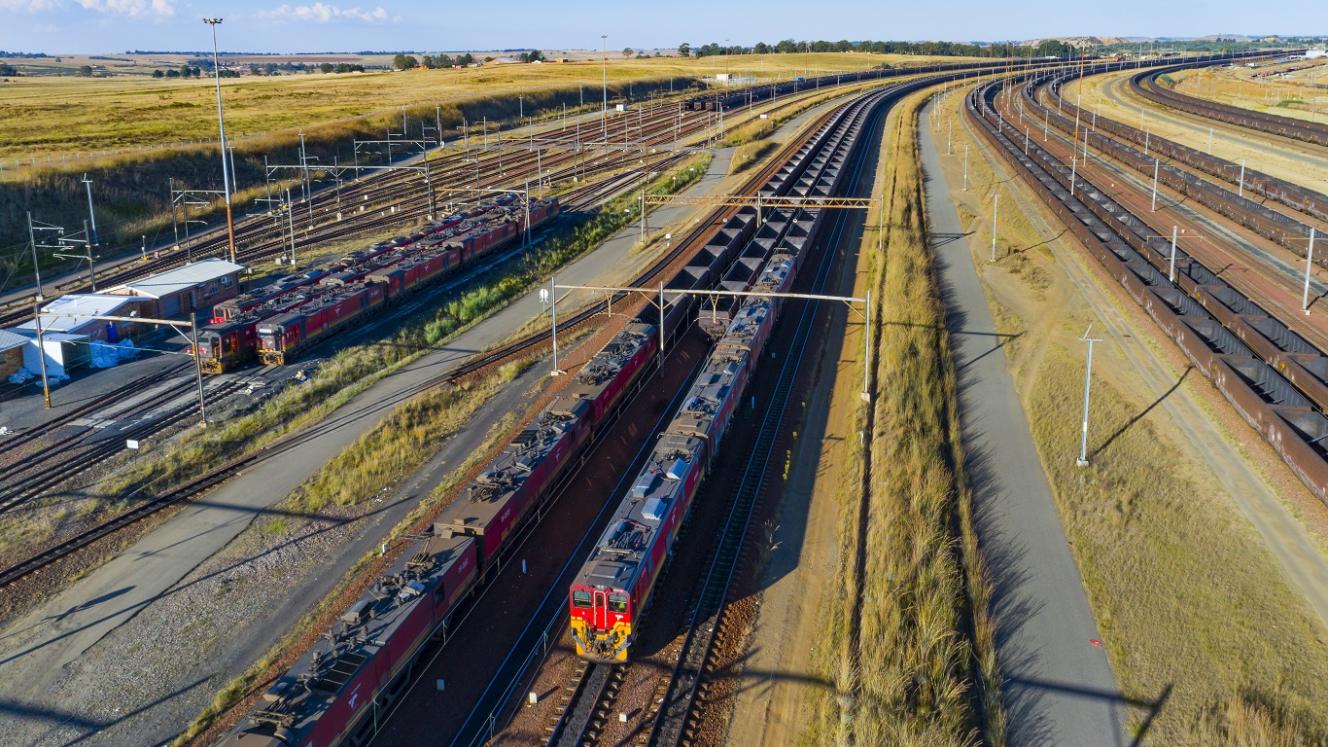
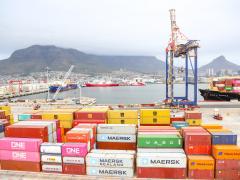
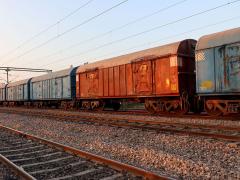
ALAN PEAT CAPITAL PROJECTS generally involve three distinct phases, in the view of Victor Mesquita, projects manager at Manica Africa. These include the logistics feasibility study; the construction and equipment imports; and reagents supply and commodity exports. “Engineering and projects management consultants are involving logistics firms as early as the mining feasibility stage,” he said, “to assess the logistics requirement.” During the construction and equipment imports phase, delivery schedules are extremely tight, and very strict penalty clauses are placed on the EPC firms, according to Mesquita. “Logistics forms an integral part of achieving the project deliverables within the set time-frames,” he said. “When dealing in projects within Africa this task becomes all that more difficult due to the lack of transport infrastructure. “The effect of this lack of infrastructure means more specialised equipment, more modes of transport, more service providers within the supply chain and, ultimately, more associated costs. “Due to remote project locations, logistics spend is forming a larger and larger portion of total costs for capital projects.” Multi-modal transportation is a key aspect to cargo final delivery. The cargo is more often than not hubbed into SA by air or sea, consolidated with other project cargo at a central storage facility, and forwarded to the project site - predominantly through road and/or rail transportation. “As rail transportation and the inefficiencies around its operation are given a stronger focus by Transnet,” said Mesquita, “this transport mode is expected to be far more utilised if service levels can be met in the short-term. “Unfortunately the same rail focus is not being extended by our African neighbours – and, once out of the SA borders, rail comes a distant second to road transportation.” As Mesquita sees it, project cargo varies from the smallest bolt to the largest transformer. “Abnormal cargo is present in all capital projects,” he said. “And the logistics service provider’s ability to successfully negotiate the challenges these cargoes pose separates the specialist project movers from your everyday freight forwarder. “Multi-modal expertise, African expertise, a proven project track record and an integrated supply chain network are the keys to being chosen as a logistics provider for capital projects.”
Logistics firms increasingly get involved at mining feasibility stage
Comments | 0
© Now Media. This content is protected by copyright and may not be adapted or republished. If you would like to discuss cooperation opportunities, please contact: editor@freightnews.co.za.