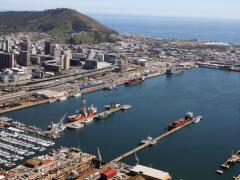
The shipping industry has reached the end of its rope and something has got to give. As industrial action at the ports of Ngqura and Durban keep vessels waiting to berth for days on end, shipping lines are racking up costs in the hundreds of thousands of US dollars, costs that can’t be absorbed on an ongoing basis. “There will have to be some form of cost recovery via another mechanism,” DAL Agency managing director David McCallum told FTW. “The DAL Kalahari has been waiting outside Ngqura for 11 days to berth. “We are an asset-based organisation and we need to keep our very expensive assets moving 24/7 to remain profitable and keep freight rates down.” In order to maintain schedule integrity, DAL and its partner lines have introduced additional vessels to its scheduled services, and this comes at a huge cost. “It’s at a stage where we are having to make such dramatic changes to our service that our cost structure will have to change – and consumers will ultimately pick up the tab. The costs incurred are way beyond what is a reasonable risk in the service we offer.” There is general consensus, however, that the go-slow is just one part of the problem. “The major issue is port infrastructure. It’s the fundamentals where the real issue lies – and that’s equipment, staff availability, purchasing processes, equipment replacement and the culture within the organisation. Because the infrastructure is so stressed and manpower is not skilled the system is under pressure, and if there’s the slightest interference – be it weather or labour – it’s going to fall over its own feet because it doesn’t have the ability to flex.” Lines are skipping port calls and changing port rotation to maintain schedule integrity – which places huge pressure on shippers, particularly in the automotive and perishable industries. And while port congestion may be an all too familiar occurrence in South Africa, the current situation is unprecedented. Floods in Durban last year caused major congestion, but lines were able to mitigate the delays because Durban was the only port affected. “It was a natural disaster that we were able to overcome more quickly than the current situation,” said McCallum. The bottom line is that shipping lines are incurring massive additional costs that will need to be recovered somewhere.
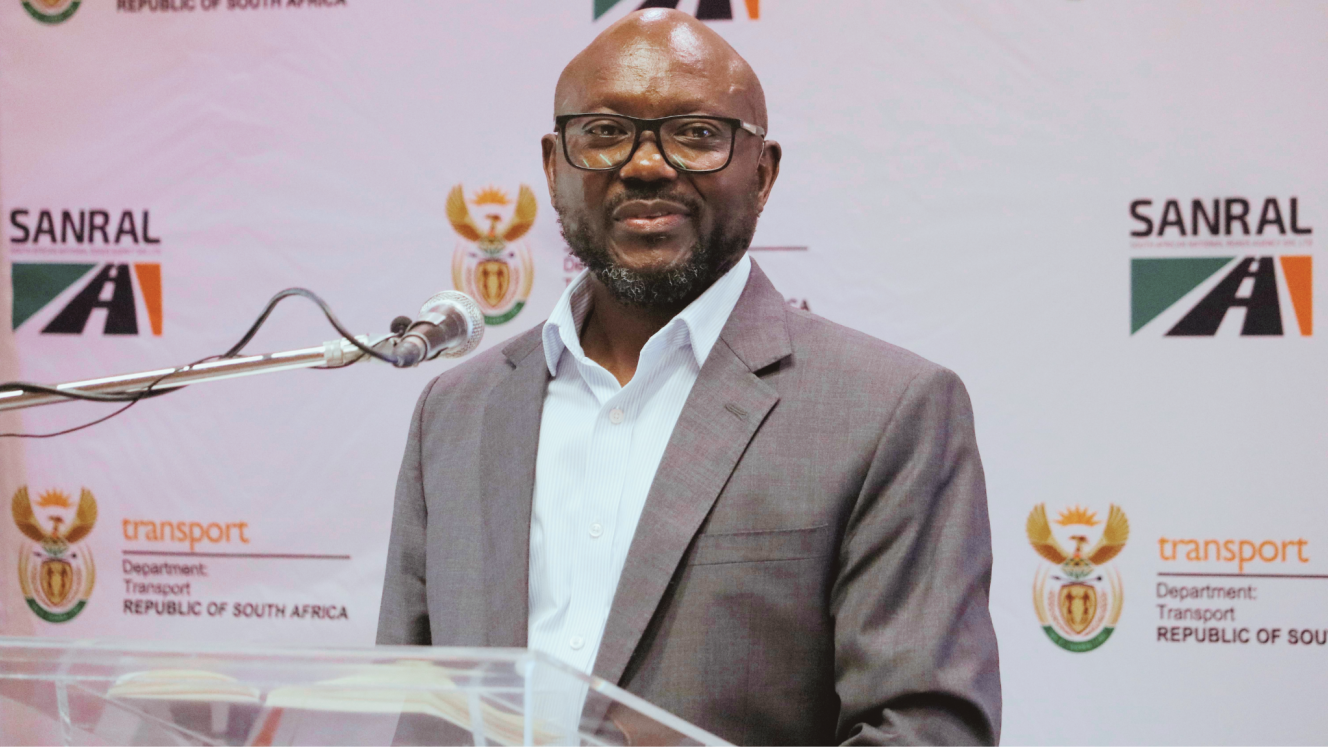
There will have to be some form of cost recovery via another mechanism. – David McCallum