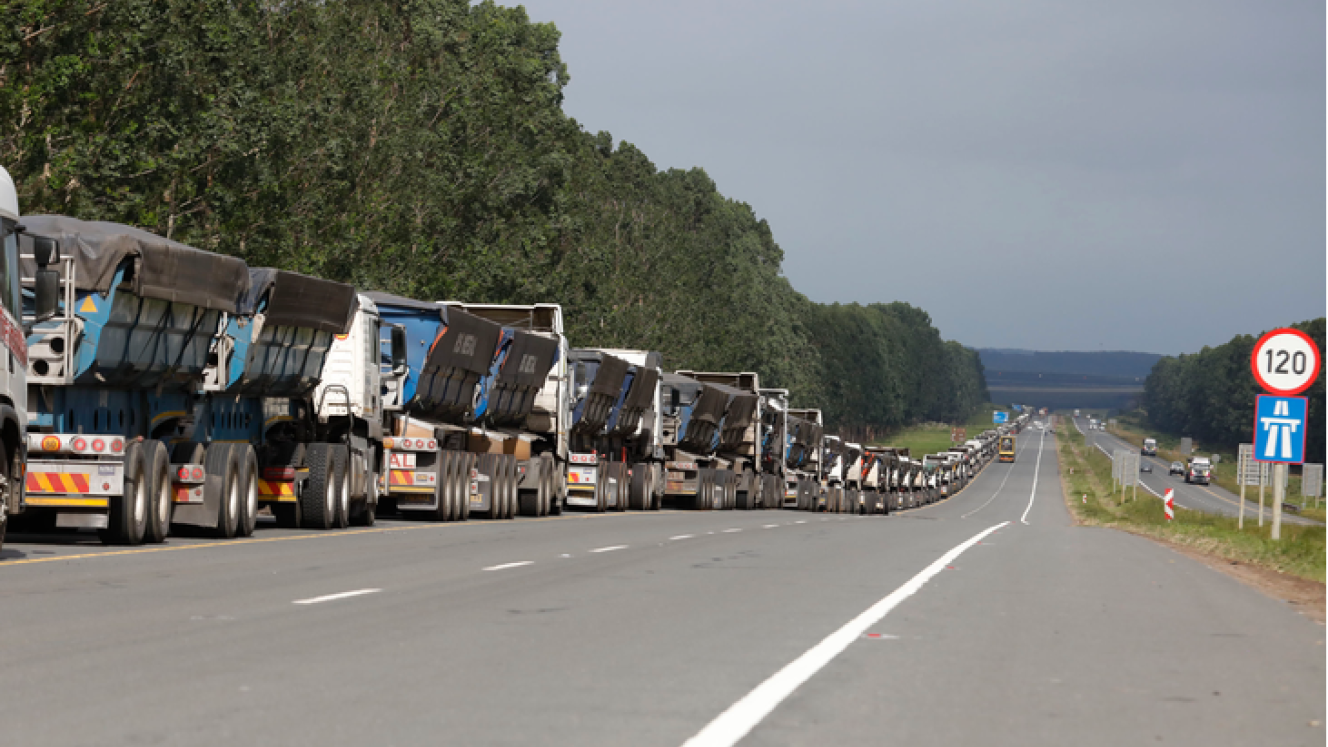
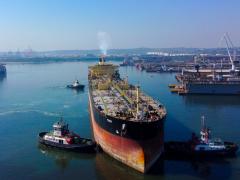
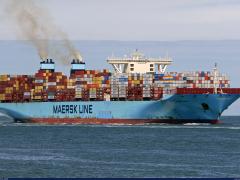
As shipping lines and shippers count the cost of current port congestion, a detailed dollar breakdown brings into sharp relief the enormity of the impact on an already stressed industry. “As an example,” says national commercial director of MSC, Glenn Delve, “the shipping line recompenses the owner a charter hire ranging between US$ 25000 to US$ 40000 per day, regardless of whether the vessel has been engaged in cargo operations or is awaiting a berth at anchorage. “This delay in berthing or sailing implies that the berthing windows in the subsequent ports are jeopardised, which induces further delays in berthing, which will be afforded, subject to availability.” As a result the vessel will have to steam at full speed, burning additional fuel bunkers, he explains. Over a distance of 5000nm (10 days at full speed @ 21 knots), he estimates that the additional fuel expended is approximately 300 MT, costing approximately US$ 130 000. And if lines are unable to meet their schedule commitments, they have no option but to skip ports. “This means that cargo destined for a particular port has to be discharged elsewhere and transhipped back to the original port of destination. “Likewise, the containers intended for export out of the port that is omitted must be shipped from another port. Considering an additional exchange of 1000 units to be transhipped (both imports and exports) at an average cost of US$ 150 per unit, an additional spend of US$ 150 000 is necessitated for transhipment alone. This excludes the sea freight.” And if schedule recovery is not possible, in order to maintain a weekly service an additional vessel must be injected into the fleet at huge cost. The bottom line, says Delve, is that a small delay in one port has a multiplier effect, having huge cost implications. “There seems to be a disconnect in understanding the price a shipping line may have to pay as a consequence.”
A small delay in one port has a multiplier effect, having huge cost implications. – Glenn Delve