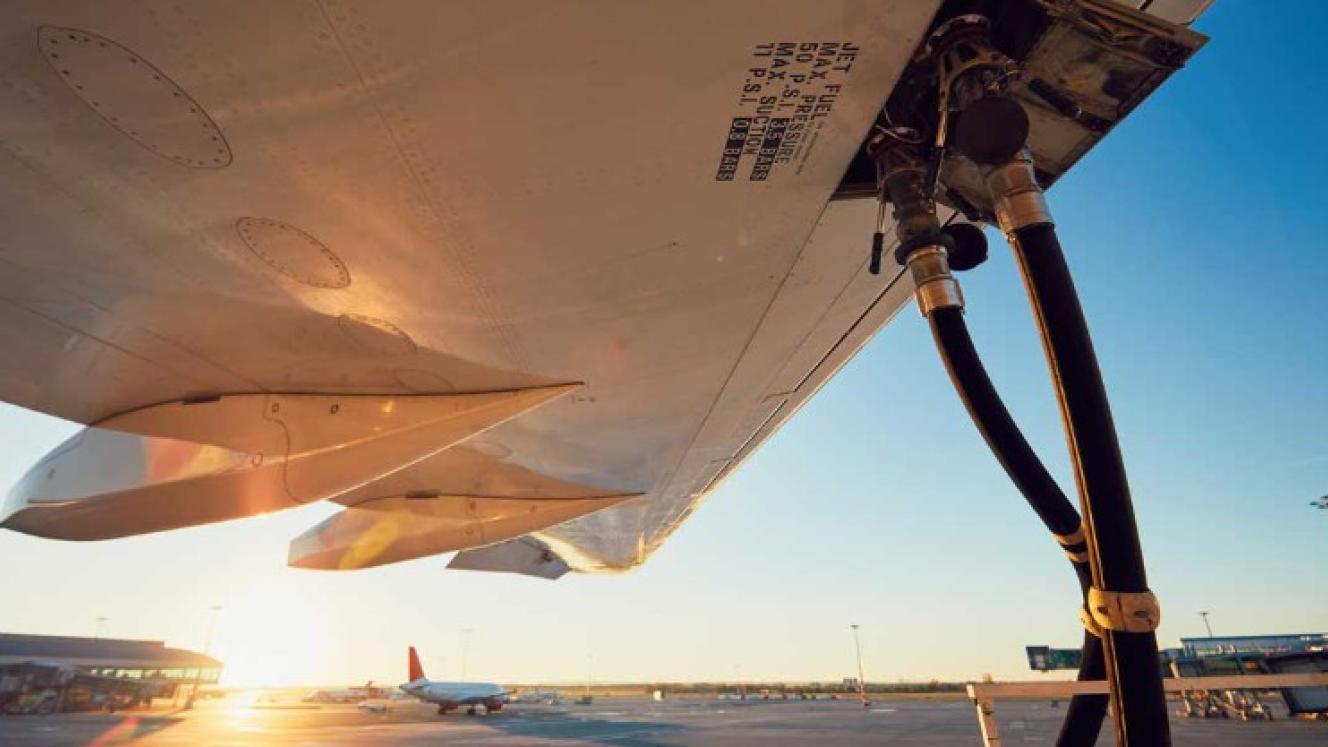
The impact of the de facto impasse between the United States and Iran on the supply chain through the Strait of Hormuz, especially its impact on jet fuel availability, is extremely worrying, the Airlines Association of Southern Africa says.
More specifically, the AASA says it “notes with grave concern the lack of clarity around the availability of jet fuel across the Southern African Development Community (SADC) region, beyond next month”.
In a statement issued on April 24, the AASA stresses that “air transport, which is a crucial pillar for the SADC members’ economies, is particularly susceptible to disrupted fuel supplies because it depends almost entirely on imported crude oil and refined Jet-A1 kerosene”.
The statement adds: “Airlines require certainty on the security of jet fuel supplies beyond a six-week horizon if they are to maintain their schedules and fulfil their obligations to customers. While we hope the situation in the Gulf will be resolved sooner, so fuel shipments can resume, we must safeguard aviation in case the impasse continues.
“With this in mind, AASA pleads with the region’s fuel suppliers, depots (including airports) and all the SADC member governments to urgently share their contingency fuel allocation and distribution plans with the aviation industry.”
In the statement, the AASA underscores the crucial importance for the airline industry to be properly informed to assist with immediate future planning.
The statement says that even when the blockades in the strait are lifted, “it will take months at the very least, for fuel production to return to its previous output as several refineries in the Gulf have been damaged and will need to be repaired or rebuilt.
“This is why we need transparent updates on fuel stocks, including what has been ordered but must still be delivered as well as the status of national strategic fuel reserves, the conditions that would trigger their release and how those reserves would be allocated and prioritised”.
Since the US-Israel-Iran war began, jet fuel prices in southern Africa have, on average, more than tripled, from around R8.50 a litre in mid-February to over R30.00 a litre by mid-April. In landlocked countries such as Malawi, the Jet-A1 prices have raced to over R50.00 a litre. “These increases have been on the back of rising crude oil prices and concerns about security of supplies,” says the AASA. “The increases have exacerbated the situation for African airlines, which, even before the current crisis, were paying some of the highest jet fuel prices in the world. In fact, jet fuel accounted for up to 40% of some of our region’s carriers’ costs.”
The latest spike has prompted most SADC-based airlines to implement cost recovery mechanisms in the form of fuel surcharges, and some carriers have also begun reducing frequencies and consolidating flights.
“However, airlines cannot plan or operate in an information vacuum.
“Airlines are painfully aware of the pressure that increased ticket prices exert on their customers and the ripple effects across the economy when considering how much we all depend on air transport, not only for flying passengers, but for the transport of goods and essential pharmaceuticals and other perishables, e-commerce goods, courier services and high-value cargo.
“At the same time, airlines should not be expected to absorb the shock on their own. Airports and air navigation service providers must also come to the fore and collaborate with airlines in this regard. Now, more than at any other time, they have a responsibility to ensure they operate with maximum efficiency by eliminating congestion and delays that waste fuel and increase costs.”