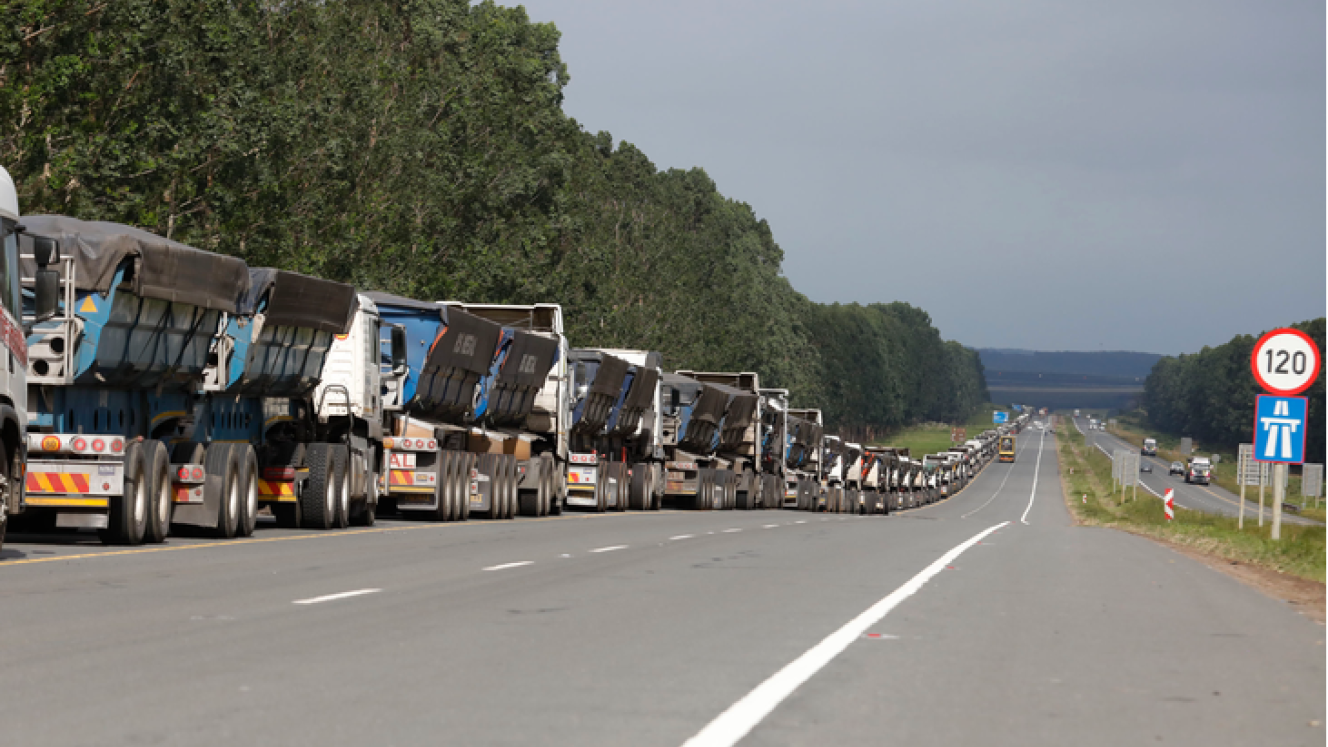
Investment in the bulk handling facilities in the port of Maputo – accompanied by Transnet Freight Rail (TFR) increasing its capacity to serve the port – is necessary to open up markets for the smaller coal, iron and chrome miners in the Limpopo and Mpumalanga provinces, says Jorge Ferraz, CEO of the Maputo Port Development Company (MPDC). “Junior mining companies – many of which are black economic empowerment ventures – are being restricted by a lack of export capacity,” he says. Some miners have had to resort to road, which is costly and inefficient when transporting bulk commodities. “Around 80% of the chrome going through Maputo is travelling by road, and we can see how this traffic is destroying the road infrastructure,” he says. MPDC shareholders Grindrod, CFM (the Mozambican government port authority) and DP World are willing to invest in the necessary port-side facilities and rail link on the Mozambican side of the border, but it is up to TFR to empower the junior miners through investment in the required rolling stock and rail upgrades on the South African side. Ferraz is outspoken about what he sees as the responsibilities of the South African government and its parastatals. “South Africa has to think and behave like the regional power it is. As the regional power it has a responsibility to ensure development of the corridors linking it to its neighbours. In this way South Africa will be contributing to the development of those neighbouring economies but more importantly contributing to its own economy by ensuring facilitation of trade. “Maputo is important to the region. Physically, our port serves the same areas that Durban does. Therefore it complements the South African ports to such an extent that it should be considered the ninth South African port and should be part of the South African National Strategy for Ports, Rail and Corridors. “From a purely South African market perspective, we are effectively part of Mpumalanga,” he says. Without efficient road and rail links to an efficient port, economic growth in the region will be stifled – as can be seen in the challenges facing junior miners.
Junior miners need Maputo
Comments | 0
© Now Media. This content is protected by copyright and may not be adapted or republished. If you would like to discuss cooperation opportunities, please contact: editor@freightnews.co.za.