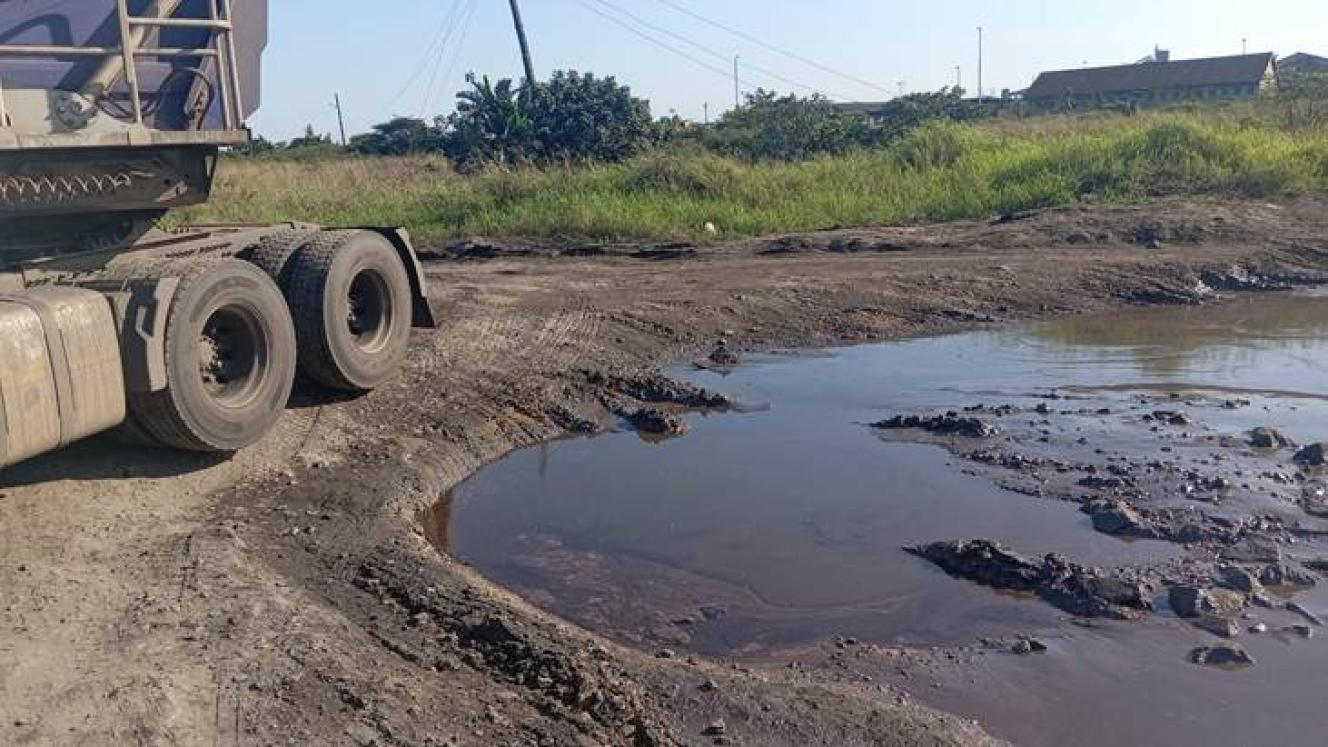
From the golden era of rail when almost no freight moved on road to the opposite scenario today where the country stops when trucks don’t move – road and rail have been at loggerheads for far too long. The road versus rail debate has been part and parcel of the freight industry for as long as most can remember – dating back to the late 1930s when rail first started losing customers to the rapidly developing road transport industry. Koos Smit, engineering executive for the South African National Roads Agency Limited (Sanral), says the significant growth in wealth and development that followed the end of the Second World War was arguably the beginning of the end for rail. In South Africa it remained a protected monopoly. But rising consumer demand continued to create a need for faster deliveries and lower inventories while the world saw the birth of the just-intime approach within the supply chain. Professor Jan Havenga, director of the Centre for Supply Chain Management at the University of Stellenbosch, says all of this played a role in the ultimate demise of rail – and its protected status was both an asset and liability. “Being a common carrier it meant that everything had to be transported, so if someone wanted to transport one can of milk between two railway stations, the railway was forced to provide the service, often at highly subsidised low rates which were published in a tariff book. These practices led to the cross-subsidisation of rural traffic by high-value high-volume traffic on corridors and a backlog in rail corridor infrastructure development,” he says. “Road in this period provided a delivery service from the rail endpoints, with the largest market share and biggest road vehicle f leet belonging to the railway. “The road transport landscape is very different today from what it was 40 years ago,” says Havenga. “Road transport efficiency has improved largely due to vehicle and pavement improvement. Higher allowable vehicle mass and improved scheduling have increased load factors and therefore lowered costs. Two major drivers were more outsourcing to logistics service providers that provided natural freight consolidation and better return loads, and more maturity in the freight logistics industry – in other words larger firms with better practices of safety, quality and equipment replacement and maintenance.” At the same time there were huge developments in freeway infrastructure, mostly paid for by non-freight road users and government. This investment and development occurred at the same time as deregulation of the freight transport industry without proper or full implementation of the RTQS. “So whilst road transport efficiency and road infrastructure development have improved dramatically over the past 40 years, this has led to an increase in heavy traffic on roads with a concomitant rise in externality and logistics costs to the country.” Says Smit: “It was not entirely unexpected that the success of road transport would later lead to widespread road deterioration, congestion, pollution and road safety problems, although, in fairness, not all of these problems are solely attributable to heavy vehicles. However, we must still ask the question – whether or not the number of heavy vehicles on our roads is in our best interests.” Experts agree that the future lies in intermodal. Neither road nor rail can be king. “Corridor long-haul freight must shift to rail or the cost and supply risk as well as environmental concerns relating to imported fuel will erode South Africa’s competitiveness.” Smit agrees, saying a vast amount of research and long-term planning has been undertaken – all of which indicates that there are certain goods currently being transported by road that could be more economically transported by rail provided that the backlog in investment in the rail systems is addressed. “We are pleased that government has announced significant investment in rail transport and that its focus is on attracting goods off roads that can logically and more economically be transported by rail,” says Smit. “However, our expectations are that this will only improve the situation on freight corridors that are served by both road and rail and will not significantly reduce the number of heavy vehicles on roads for which there is no rail competitor.” For Havenga the next natural step would be to address the low-density lines issues as well. “Creative solutions will be needed to allow these lines to be preserved – but at the same time remove the drain on the railway’s resources,” he said. INSERT R400bn The annual cost of logistics in SA. INSERT & CAPTION 1 We must ask the question — whether or not the number of heavy vehicles on our roads is in our best interests. – Koos Smit INSERT & CAPTION 2 Higher allowable vehicle mass and improved scheduling have increased load factors and therefore lowered costs. – Jan Havenga CAPTION Corridor long-haul freight must shift to rail or the cost and supply risk as well as environmental concerns relating to imported fuel will erode South Africa’s competitiveness.
Joint custody the only solution
Comments | 0
© Now Media. This content is protected by copyright and may not be adapted or republished. If you would like to discuss cooperation opportunities, please contact: editor@freightnews.co.za.