Government debt has reached a point where it could take the country over the edge into a situation of enforced austerity measures by the International Monetary Fund (IMF), says Business Unity SA (Busa).
According to South Africa’s biggest business association there are several reasons for this dire position.
Mounting debt in the face of extreme GDP pressure, made worse by consistent bailout escalations of hobbled parastatals like Eskom, as well as spiking inflation, a reeling rand, severely strained growth with unemployment sitting at 29%, a ballooning public-sector wage bill and expected shortfalls in government revenue from tax, have all led to a critical mass situation.
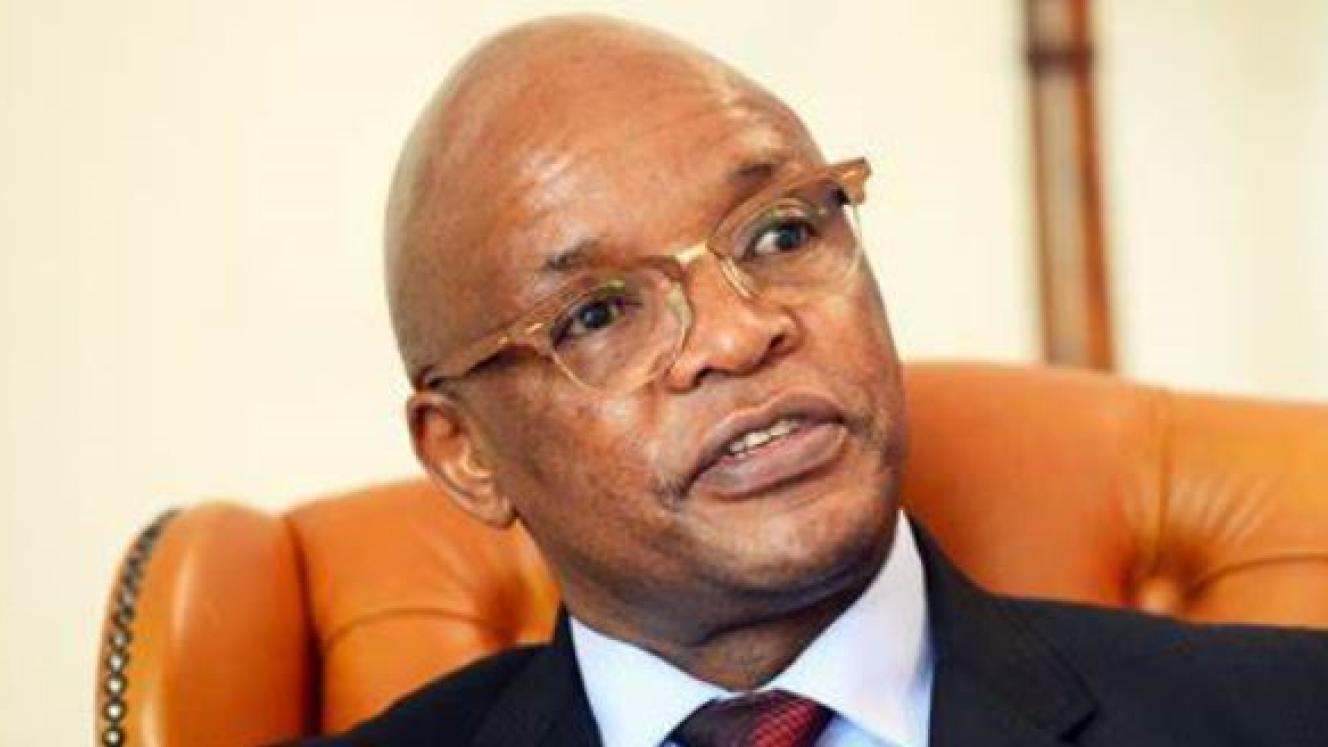
Following a recent Nedlac meeting with President Cyril Ramaphosa and business leaders like Busa president Sipho Pityana, it emerged afterwards that a clear and unequivocal message was sent to government about what it means for the country – “It’s crunch time!”
One way to cut spending effectively, Pityana says, would be to slash the wage bill.
And although Ramaphosa managed to implement some trimming during the formation of his administration after the recent election, it hardly amounted to the kind of belt-tightening certain debt ratings agencies have been hoping for.
One of the agencies, Fitch, has already indicated that government’s recent decision to grant the power utility a R59 billion bailout package, more than double an earlier pledge of R23 billion, effectively means that the debt-to-GDP-ratio gap will be growing to a point where it’s well clear of government’s ability to service debt.
In an attempt to assuage the fears of lenders, earlier assurances from government were that the ratio will stabilise over the next four to five years.
Fitch, however, adjusted South Africa’s outlook from “stable” to “negative” after the most recent Eskom bailout, saying government won’t be able to make its debt commitments from the money it wants to fix Eskom.
In the meantime, Ramaphosa, in a clear move to keep public service unions at bay, has also committed himself to sustain jobs at a certain level. He has also not changed his position on going ahead with big-ticket plans like instituting a national health insurance initiative.
Pityana, though, has pointed out that these promises and pledges are all cost-intensive measures.
Moreover, he made it clear that over the last 18 months, since Ramaphosa has been charge, government debt has deepened.
Whether it’s a case of having been handed a poisoned chalice after years of misrule by Jacob Zuma’s government, is not important.
Drastic action needs to be taken unless we want the IMF to do it for us, Pityana says.
Such a situation, Pityana has been quoted as saying by journalist Carol Paton, will amount to a “doomsday scenario in which the IMF will tell us by how much to cut the public sector wage bill”.