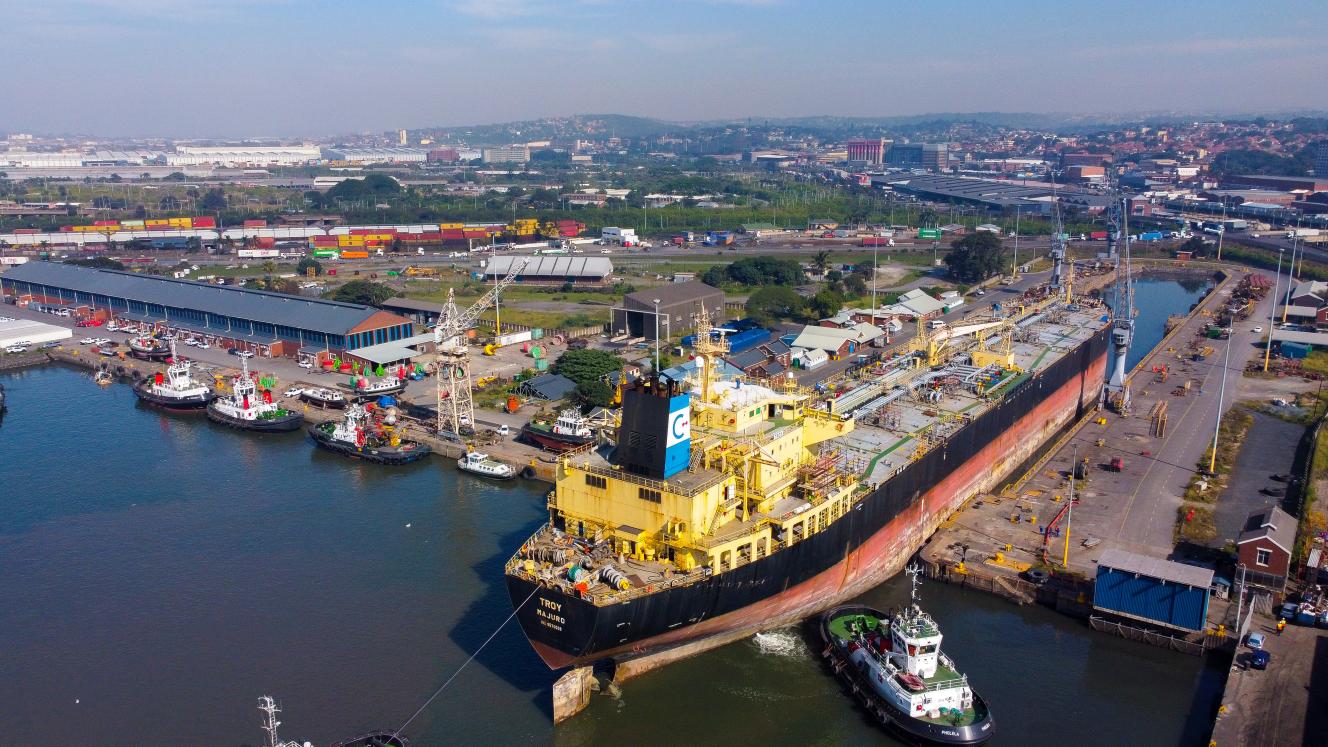
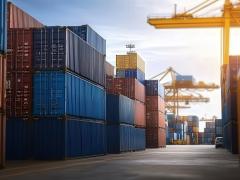
It’s a comforting thought that the challenges faced by South Africa’s project cargo specialists are no different from those facing the rest of the world – chief among them the inability of infrastructure to keep pace with growth. In order to provide a global perspective, FTW interviewed Brisbane-based Kevin Stephens who heads up the Project Professionals Group, a global association of 120 project specialists in 100 countries. According to Stephens it’s been business as usual in Australia, where most of the big projects have gone ahead, despite the recent recession. “We haven’t seen a large downturn in the past 18 months to two years but we do expect things to slacken off over the next 18 months – although not in Australia because we’ve been pretty well serviced by our government.” His membership is involved in the full spectrum of projects – from mining, construction and infrastructure to power generation and wind turbines. “There’s a lot of work going on everywhere,” says Stephens, “ but with a lot of new projects coming on stream, particularly in Australia, South East Asia and South America, governments are not maintaining pace with infrastructure needs. “I can’t see any more roads, ports and shore-based gear emerging to support these new projects and that will place a lot of pressure on companies setting them up,” he said. The result will be inevitable delays. “On the east coast of north Australia we deal with all the coal and gas shipments going out and there are often dozens of ships waiting for weeks for a berth.” In terms of road infrastructure, Australia has been fairly well served until now, says Stephens. “But we’ve got several multibillion dollar projects coming on stream in the next few years and no advancement in road, rail or coastal shipping. Port infrastructure will also be a major problem in the next couple of years.” Too little too late appears to be the complaint in Australia – as it is locally. “Many of the major ports in South East Asia are well covered – Thailand and Vietnam for example – because they started investing 20 years ago. “But North America, South America, Australia and South Africa will suffer the most as a result of bad government decision-making over the past 10 years.” Stephens established the first project cargo grouping 12 years ago, with what he describes as ‘an Australian inferiority complex’. “But when we organised our first conference I was stunned by the fact that my knowledge was as good as anyone’s and that all our members were equally clued up. We all think globally although most of the projects are happening in our own countries.” For the most part, project cargo specialists find themselves in a dozen different countries in a year so they all have a good understanding of the requirements in other countries. Which is why one of the crucial elements of a successful project cargo operator is a reliable network of partners who know what they’re doing and whom they can trust. And that’s the premise on which PPG was established. For the future, Stephens remains upbeat. “Unlike general freight forwarding, projects will continue to move, particularly as worst hit economies begin to emerge from last year’s crippling recession.”
Infrastructure shortfalls a global challenge for project specialists
Comments | 0
© Now Media. This content is protected by copyright and may not be adapted or republished. If you would like to discuss cooperation opportunities, please contact: editor@freightnews.co.za.