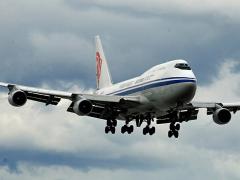
Leaders in the aviation industry have expressed concern about the longterm impact of the Karoobased SKA project on air travel in one of the busiest domestic air corridors in the world. At a media briefing in Johannesburg last week, International Air Transport Association (Iata) director-general Alexandre de Juniac raised concerns about the implications of the SKA project, which would prohibit the use of radio signals in the area. This would force airlines to take lengthy and expensive detours. The project is an international effort to build the world’s largest radio telescope with a square kilometre (one million square metres) of collecting area in the Karoo, a region declared as an astronomy advantage area in 2017. Airlines traversing this protected area could have the potential to interfere with the radio signals required for the SKA telescope to function optimally. And the deadline is looming. The Department of Science and Technology announced in April that certain radio frequency use would be prohibited from December this year – including radio transmissions within that frequency. Plane Talking MD Linden Birns said there were at least 40 to 55 domestic flights flying over the astronomy advantage area a day - including the JohannesburgCape Town route – making it the busiest air corridor in Africa. “If there are significant detours to avoid the area, it would increase the cost of flights enormously,” he said. “It would have a devastating effect on business and South Africa’s economy.” Airlink Cargo executive manager Alwyn Rautenbach expressed similar sentiments. “It means we’ll have to change our routing which will result in longer flying time and increased costs. In addition we’ll be burning more fuel which means a higher carbon footprint which flies in the face of the environmental lobby.” While De Juniac told the media during his presentation that SKA project staff had asked the aviation industry why they could not “just turn off their radios” when flying in the astronomy advantage areas, Dr Adrian Tiplady, head of strategy and business processes at the SKA project, denied this. “Mr De Juniac may not be fully informed of all the processes regarding consultations between the aviation industry and SKA,” he said. “We are currently in the process of assessing air travel’s impact on the telescope and what can be done to reduce that impact. That doesn’t mean there will be detours, but it could mean different operational strategies for aviation,” he said. Airlines Association of South Africa chief executive Chris Zweigenthal said the industry was dealing with a great deal of uncertainty. “The current regulations exclude air travel and the airlines are doing business as usual,” he said. “Our concern though is that this needs to be resolved. Time marches on and the commencement date of the project is coming closer. We need to meet with the SKA to discuss the technical implications for aviation” Tiplady said that preliminary technical assessments were under way. “We are also looking at a Technical Impact Assessment to determine the impact of air travel in the Karoo. It is quite a complicated assessment, and we are trying to ensure that the system (SKA) will operate in the presence of aviation,” he said.
It means we’ll have to change our routing which will result in longer flying time and increased costs. – Alwyn Rautenbach