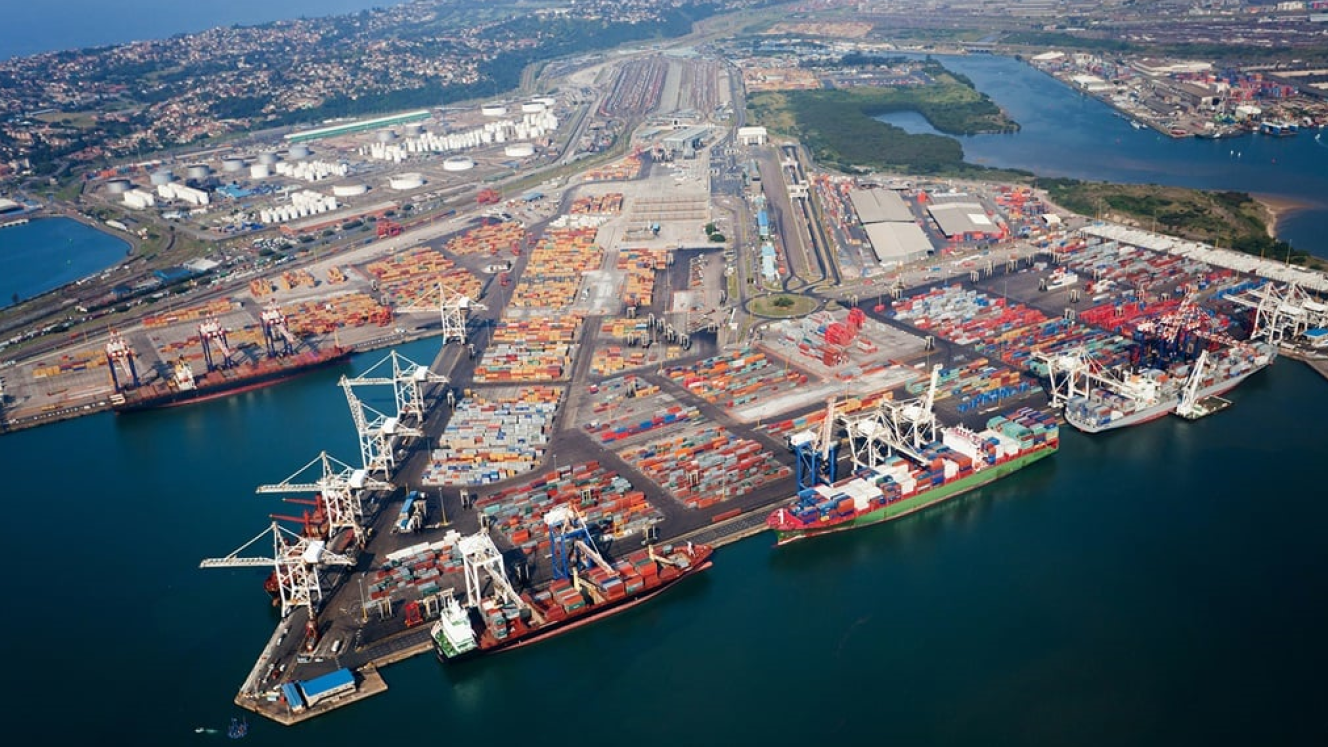
It’s all systems go for logistics company Texcon with major plans in place to dramatically increase volumes in 2009. According to managing director Neil Harris, much groundwork was done in 2008 assessing, performance managing and visiting all the company's agents. “Our foundation is now in place to manage the expected volume growth this year.” Texcon, which provides a range of specialised transport and logistics services globally, where necessary tailors a solution in order to meet the specific requirements of each customer. Offering sea, air and road transportation, international courier or freight, Texcon provides a full basket of logistics solutions to any exporting or importing customer to or from any of the six continents around the globe. “Years of experience in cross-border transport allows us to offer a highly specialised service for the movement of all types of cargo using any mode of transport throughout Africa. Texcon has agents throughout the region to ensure a fully integrated African footprint,” says Harris. “For roadfreight, the borders on the continent remain a challenge in terms of efficient service delivery although everyone is in the same boat. We manage border control through extremely good and long-term relationships with most border officials and in-house agents.” Border inefficiencies affect the cost of the movement, says Harris. “The problems are mainly due to the lack of infrastructure to support growing traffic volumes and a shortage of experienced staff at the border posts.” But despite the obstacles Texcon managed to deliver to all the Engen and Caltex service stations cross border before the fuel increase. “These were display boards, stickers and other promotional items for instance, promoting how pump prices should be calculated due to the pumps being unable to accommodate four digit numbers,” said Harris, who firmly believes that transport companies along with governments of African countries need to work together to create greater operational efficiencies and harmonised procedures and documentation.
Industry and government should jointly address efficiency
Comments | 0
© Now Media. This content is protected by copyright and may not be adapted or republished. If you would like to discuss cooperation opportunities, please contact: editor@freightnews.co.za.